The identification of emerald bracelets mainly involves observation, colour, light and impurities. The following are some specific identification methods:
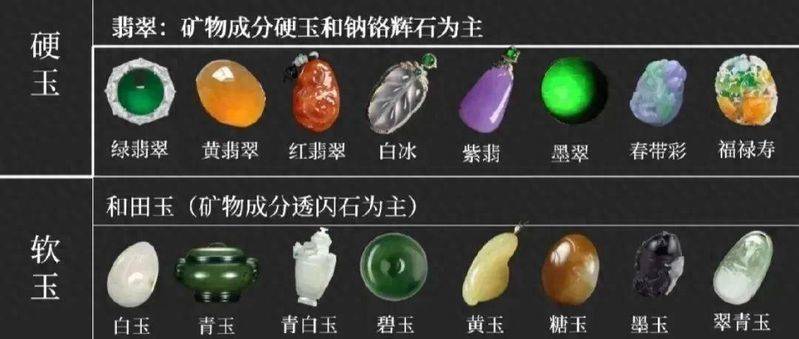
1. ** observe identification method**: first of all, the basic appearance of emerald. Note surface features and use magnifiers or flashlights where necessary. The filled emeralds, which are different from the emerald hardness, can be seen in visible grooves or fillings. In rough cases, even glue or residual bubbles are visible。
2. ** colour identification method**: observation of colour distribution and sense of hierarchy. The distribution of jade colours for acid erosion and dye processing does not have a hierarchy and does not seem natural. Natural emerald colours are usually colored, i. E., colours are tangible and unevenly distributed。
3. **gloric identification**: acid cortex treatment affects emerald light. Natural emerald brightness is like glass. The processed emeralds, which are dark, may be wax or resin。
4. ** impurity observation**: natural emeralds usually contain some impurities, such as black, yellow or grey. Very few emerald impurities have been processed because they have been corrupted by strong acid。
5. ** hydrodensity measure**: this is a practical method for identifying the authenticity of emeralds at home. This applies to unmixed face emeralds. Testing with clean cold or pure water is not suitable for hot water。
6.** validation certificate**: the most prudent method is to search the emerald jewellery identification agency for re-examination. Validation certificates are an important basis for determining the authenticity of emeralds。
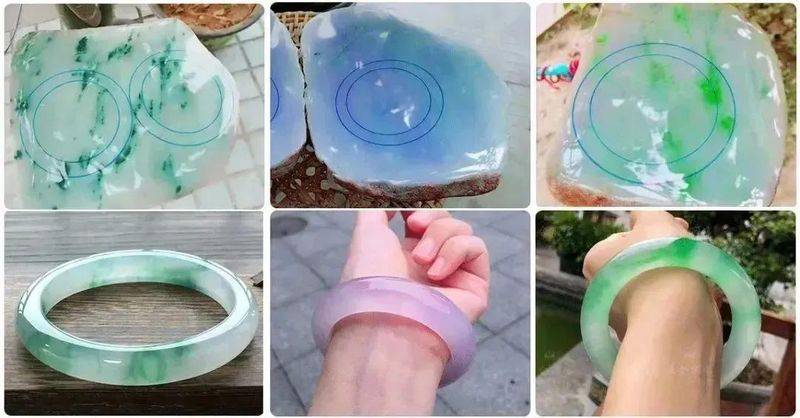
The knowledge of these methods makes it possible to purchase emeralds with greater caution and to avoid the purchase of counterfeit products. At the same time, with regard to the market for emeralds, it is recommended that the value of the emeralds be preceded by a number of factors, such as colour, transparency, texture, etc., or by consulting professionals。