You can't find a way to practice writing? These three mind-blowing charts make it clear and clear from the beginning to the mastery of the whole system, so that the zero base white can follow it straight to the top
First understand: the core learning logic of soft writing
A lot of people practice writing, staring at "written like" and ignoring the combination of "technology" and "do". As sudong po said a long time ago, “one must learn, learn, learn, and kung fu”
- kung fu: it is a technical exercise and is the basis of calligraphy
- awareness: theoretical learning is the key to the progress of calligraphy
- cultivation: learning and learning, the soul of calligraphy。
These three maps, based on the logic of the tactical system, set up a complete framework for learning in soft writing, from the technique to the theory, from the handwriting to the bylaws, one step at a time, to avoid 90 per cent of the typing pits
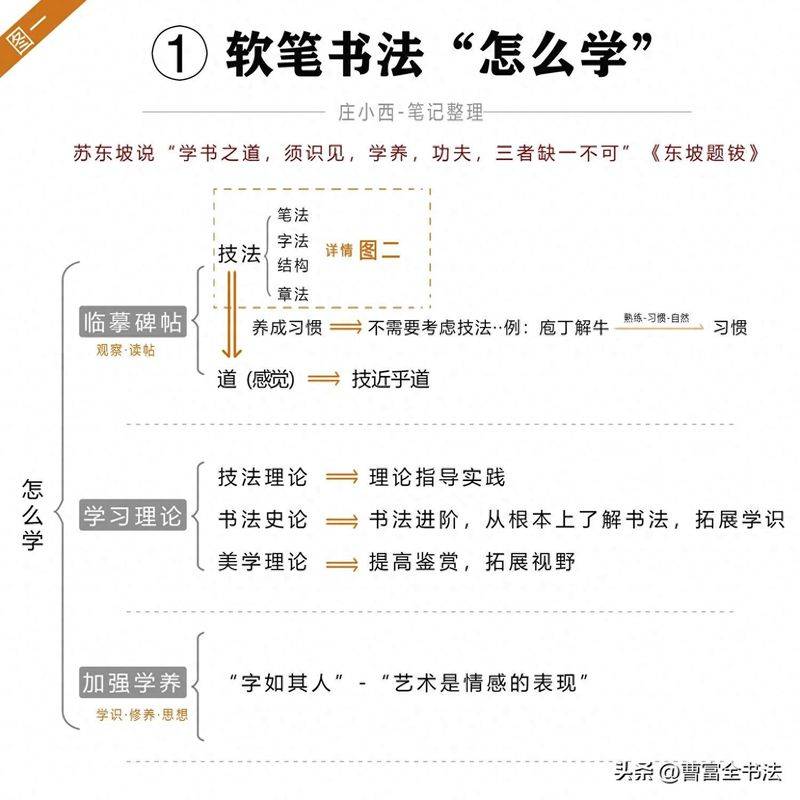
Figure i: top-level logic of soft writing “how to learn”
This chart, which gives you three learning boards that go through soft writing, from the beginning to the mastery:
Poster: technical exercises, from “can write” to “write”
It's a fundamental function of calligraphy, with the core of observation and reading, and through the practice of mastery of techniques (written, grammatical, structural, stylistic), to develop muscle memory and eventually to reach the level of the "stealing cow" - a skilled habit. Naturally, no more deliberate thinking about the technique, making writing an instinct, and finally, “near-touching”, writing its own style。
- a guide to avoiding the pits: it is necessary to read the post first and then do it again with thought。
Learning theory: theoretically guiding practice, from “writing well” to “knowledge of calligraphy”
You'll never be a master. There are three main components of theoretical learning:
- technological theory: to guide practice in a theoretical way to make practice more oriented
- calligraphy history: knowledge of the development of calligraphy, fundamental knowledge of calligraphy and wider knowledge
- theories of aesthetics: improving aesthetics, broadening horizons and making words more symmetrical。
- core values: theories are calligraphy “compasss” to help you move less inverted ways and move faster。
Strengthening learning: the spirit of calligraphy, from “writing well” to “writing well”
The words are words like others, and calligraphy is the expression of emotion, which ends with learning, nurturing, thinking. Enough learning to rhyme with words and soul to really write your own style。
- core logic: technique is skin, learning is bone, there is no writing, only writing, not art。
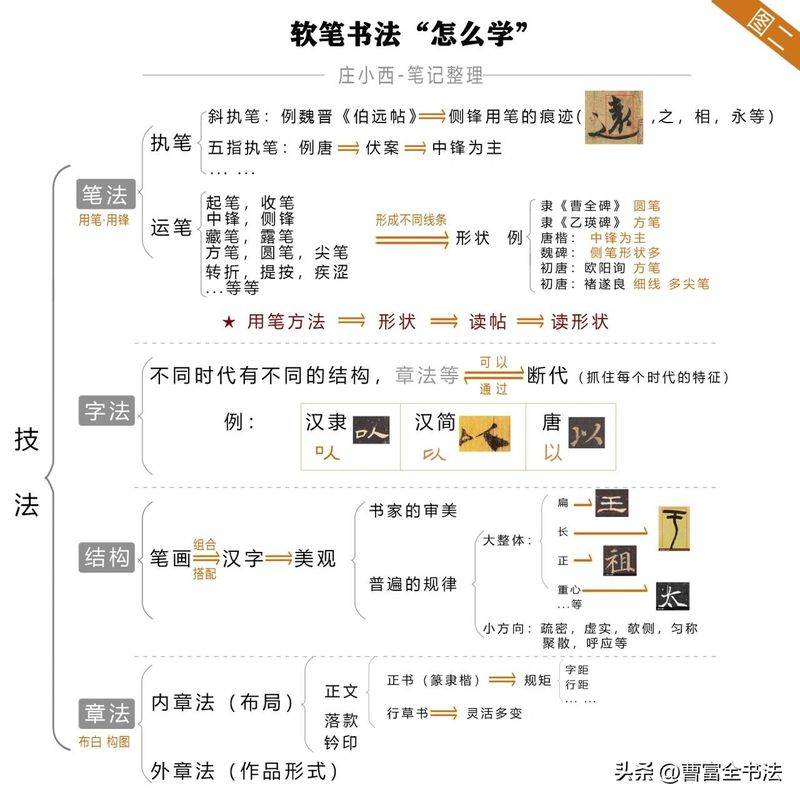
Figure ii: the core of technology, from pen to statute, is dry
This is a map that is clear and clear about the four techniques of soft writing:
1. Typology: the roots of calligraphy, the core of which is the pen
- pronunciation: written slant pens (wei jin's pour, side pens), pens (don's vs. Center-line), different pens correspond to different books
- texts: pens, pens, pens, middle, side, tibetans, pens, pens, pens, pens, turns, pushes, obscurities, etc., are of different shapes
- core usage: different writings correspond to different writings, such as the pen used in the book cao's monument and the pen used in the monument of acetronum; the tablets of wei are heavily warped and the corrugated pen used in the original tang yuen is fine
- key logic: reading the shape by pen, learning the pen by reading, is at the heart of the exercise。
2. Terminology: different times, different grammatics
Different gramworks, structures and even grammatics, such as han, han jane, tang's word "by " , are completely different, and each has its own character。
- core values: to understand the grammatics, to truly understand the philosophies of the ancients, and to be more precise。
3. Structure: a combination of pens to make them more beautiful
The structure is a combination of drawings, with common patterns and aesthetics:
- large body: flat, long, positive
- focus: the focus of the word is flat and central to the structure
- small directions: insulated, deceptive, sidelined, symmetrical, dispersed, echoes, etc.
- core logic: the structure is a skeletal skeleton, the skeletal skeletal is good, the word is good。
4. Regulations: the soul of the work, layout
- the internal law (formulation): the body, the down payment, the seal, the book (indicator), the rules, the flexibility of the draft, the attention to word spacing, the distance
- extralegal (form of work): white, graphic, determining the overall beauty of the work
- core values: law is the soul of the work, good law, which makes the work more rhymeful and contagious。
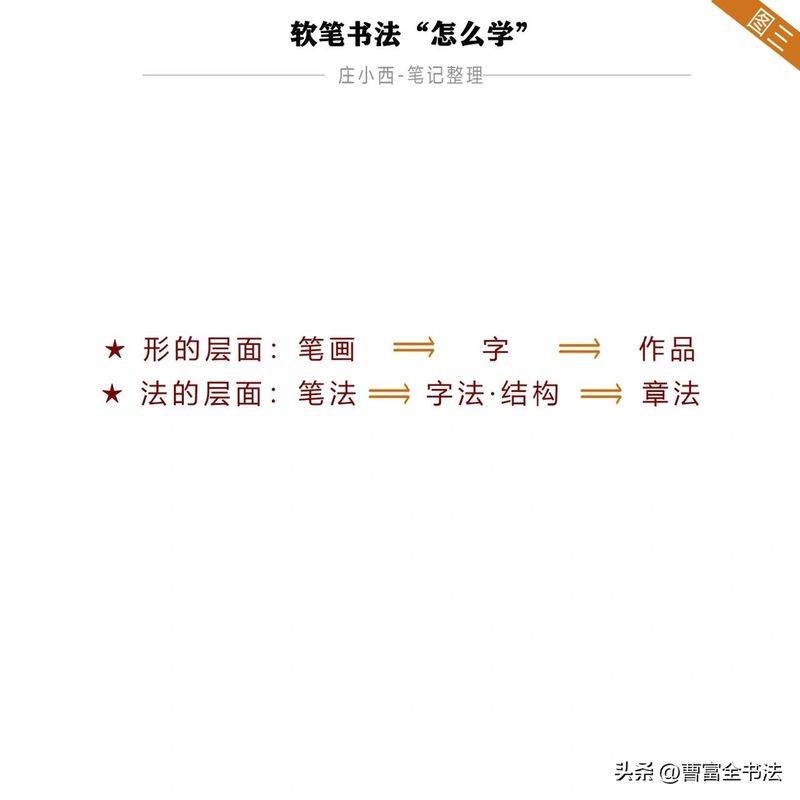
Figure iii: base logic of calligraphy, unification of form and law
This is a figure that directly points to the core logic of soft writing:
- dimensions: drawings, from micro- to macro-levels and layers
- legal aspects: grammatical and structural techniques, ranging from technical techniques to layouts, with a chain of command。
That's the bottom logic of calligraphy: practice pens, then grammatics, and finally discipline; write pens, then write words, and finally write works. One step at a time, to really write soft writing。
Why is the system a “godical guide” to soft writing
A lot of people do not do it because they don't have a complete learning system, and they practice a little bit, and they get lost. And the system:
Zero-base friendly: from top-level logic to detail decomposed, one step in place, and white can follow school directly
(a) institutional integrity: from technical to theoretical, from handwriting to statutory, covering all core elements of soft writing
Logical clarity: from “technologies” to “channels”, the layers evolve to help you build a complete system of written knowledge
Setable: each plate has a clear direction of practice and can progress quickly by following it directly。
It's like a calligraphy teacher, with hands to teach you from zero base to master, to avoid all the word pits, to learn more and more
At the end: the essence of calligraphy is that it's like a technique
Soft writing is never a simple “writing”, but a combination of “technology” and “do”. Technology is the foundation, theory is progress and learning is the soul。