Youth are the future of the homeland, the hope of the nation. It is the common responsibility of the family, the school, society and the state to safeguard the legitimate rights and interests of adolescents, especially minors, and the community as a whole must act together to create a favourable social environment in which the interests of adolescents are well served, safeguarded and developed, and to promote their healthy development. Now, let's get to know the law about adolescents
What are the main laws relating to minors
(i) laws specifically protecting minors
1. Law of the people's republic of china on the protection of minors
2. Law of the people's republic of china on the prevention of juvenile delinquency
3. Compulsory education law of the people's republic of china
(ii) legislation on minors
1. Constitution of the people's republic of china
2. Criminal law of the people's republic of china
3. Civil code of the people's republic of china
4. Criminal procedure law of the people's republic of china
5. Law of the people's republic of china on the protection of the rights and interests of women and children
What are the main rights of minors
The right to life and health, the right to personal liberty, the right to a name, the right to portrait, the right to honour, the right to honour, the right to own property, the right to inheritance, intellectual property rights such as copyright, exclusive rights, the right to education and other rights conferred by law。
What are the avenues for minors to defend their legitimate rights and interests
1. To apply to the competent authorities for resolution
2. Reporting to public security organs
3. To lodge a complaint with the people's procuratorate
4. To institute proceedings before the people's court。
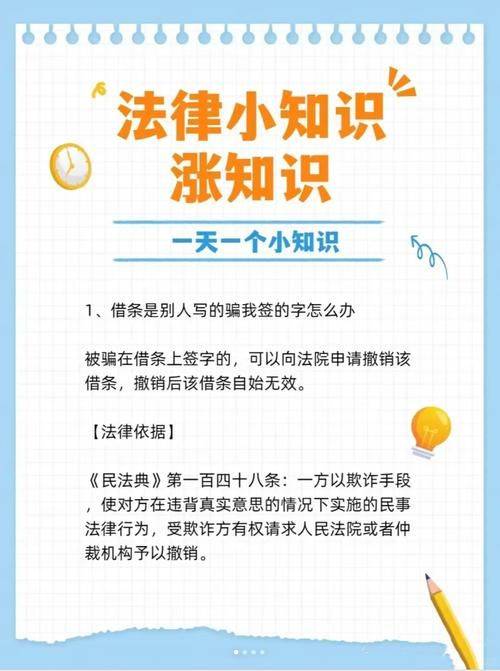
When the legal rights of minors are violated, the minor himself or her guardian has the right to use legal means to protect the legal rights of minors。
In addition to judicial protection, the legal rights and interests of minors are protected by family protection, school protection and social protection。
What are the age criteria for the civil capacity of minors
There are three criteria for the age division of civil capacity:
1. A minor under the age of eight is incompetent and is required to be represented by his legal representative to perform a civil legal act。
2. A minor above the age of eight may, in order to restrict his civil capacity, perform a civil legal act on his or her legal representative's behalf or with the consent of his or her legal representative; however, a civil legal act of pure benefit or a civil legal act appropriate to his or her age or mental capacity may be performed independently。
A natural person aged 18 years or older is an adult. Adults are persons with full civil capacity and can perform civil legal acts independently。
A minor aged 16 years or over is considered to be fully capable of civil action if his or her income is the main source of livelihood。
V. What is the age of criminal responsibility for minors
Criminal law of the people's republic of china
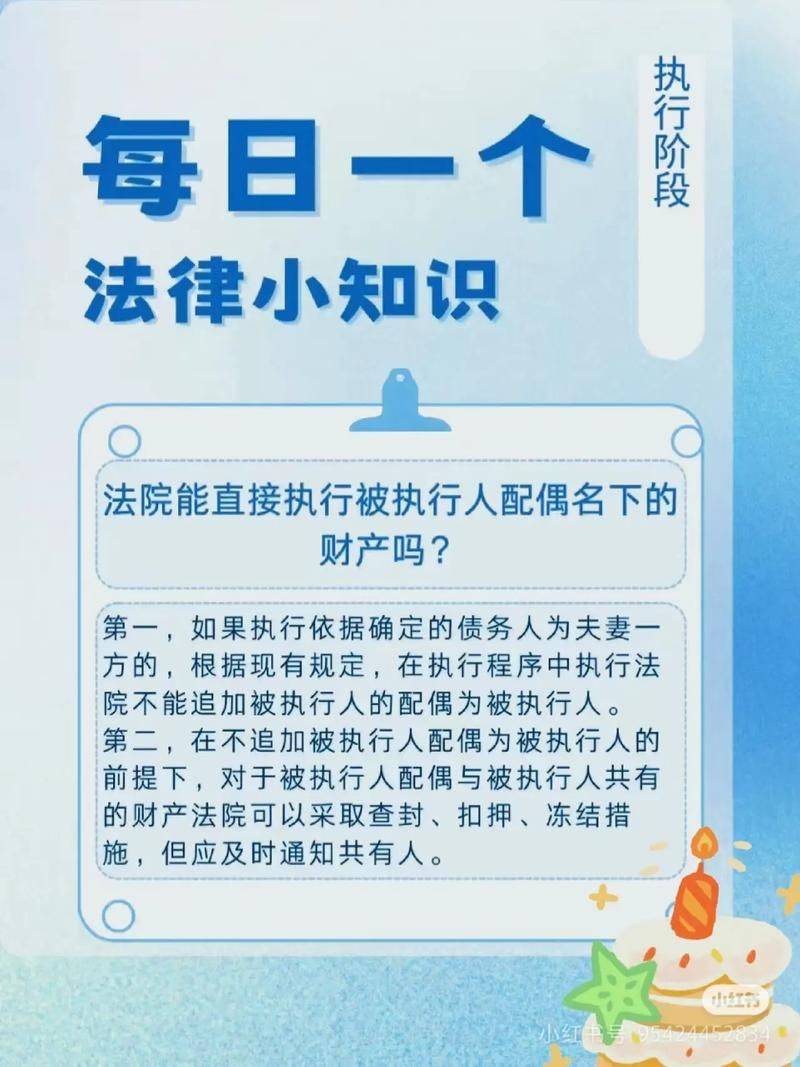
Article 17 criminal responsibility shall be incurred for crimes committed by persons who have reached the age of 16 [the age of criminal responsibility]。
Persons who have reached the age of 14 and who have not attained the age of 16 are criminally liable for wilful killing, causing serious bodily harm or death, rape, robbery, drug trafficking, arson, explosion or dropping of dangerous substances。
Persons who have reached the age of 12 and who have not attained the age of 14 years and have committed intentional homicide or wounding, have caused death or have caused serious bodily injury to a person, in aggravating circumstances, causing serious disability, shall be held criminally liable for prosecution by the supreme people's procuratorate。
Persons under the age of 18 who have been held criminally liable under the preceding three paragraphs shall receive a lighter or less severe penalty。
Those who do not receive criminal punishment under the age of 16 are ordered to be disciplined by their parents or other guardians; special corrective education is provided in accordance with the law when necessary。
Vi. Special principles for dealing with crimes committed by minors
(i) the principle of leniency
Article 17, paragraph 4, of the criminal law of the people's republic of china provides that a person who has not attained the age of 18 years and has been held criminally liable in accordance with the provisions of the preceding three paragraphs shall be subject to a lighter or lesser penalty。
(ii) principle of non-application of the death penalty
Article 49 of the criminal code of the people's republic of china stipulates that the death penalty shall not be applied to persons who were under the age of 18 at the time of the offence and to women who were pregnant at the time of trial. The offence is committed when it is committed. This article shall apply even if the person has reached the age of 18 at the time of the offence。
(iii) the principles of education, correction and rescue
Article 113 of the law of the people's republic of china on the protection of minors stipulates that minors who have committed an offence shall be educated, rehabilitated or rescued, and the principle of education shall be upheld and punished as a complement。
(iv) principles guaranteeing minors the right to due process in accordance with the law
In the course of criminal proceedings, minors are guaranteed, in addition to the procedural rights they enjoy as suspects and defendants under the code of criminal procedure, special rights as minors:
1. Right to be present at the meetings of legal representatives。
2. The right to be assigned a defence。
(v) principle of closed hearings
Article 285 of the code of criminal procedure of the people's republic of china provides that cases where the accused is under the age of 18 at the time of trial shall be heard in camera. However, with the consent of the minor defendant and his or her legal representative, the school where the minor accused is present and the organization for the protection of minors may be represented。
(vii) principles of comprehensive investigation
The principle of full investigation means that when dealing with cases of minors, judicial officials cannot be satisfied with the investigation of the facts and evidence of the case solely for the purpose of punishment. A thorough examination of the physical and psychological condition of the minor and his or her living conditions, as well as medical examinations and psychological and psychiatric judgements, are also required for educational and rescue purposes。
The principle of full investigation extends throughout criminal proceedings and is not limited to court investigations. The principle of comprehensive investigation allows for a comprehensive understanding of the life and development of minors, their personality, their quality, etc., and the causes and conditions of the crime. Not only is this conducive to the proper handling of cases, but it is also necessary to educate and save them by choosing the right ways and means。
How should adolescents defend their rights when they are harmed
Relevant provisions of the civil code of the people's republic of china:
Article 1779 [scope of compensation for damages to persons]: in the event of injury to another person, compensation shall be paid for reasonable expenses incurred for treatment and rehabilitation, such as medical, nursing, transportation, nutrition, hospital feeding, etc., as well as for reduced income due to lost work. Compensation should also be paid for the cost of assistive devices and for disability; in the event of death, for funeral expenses and death。
Article 118 [responsibility of the guardian]: a person who is incapable of civil action or who restricts the capacity of civil action to cause damage to another person shall be held liable for infringement by the guardian. A guardian who has exercised his or her guardianship may be relieved of his or her responsibility for violations。
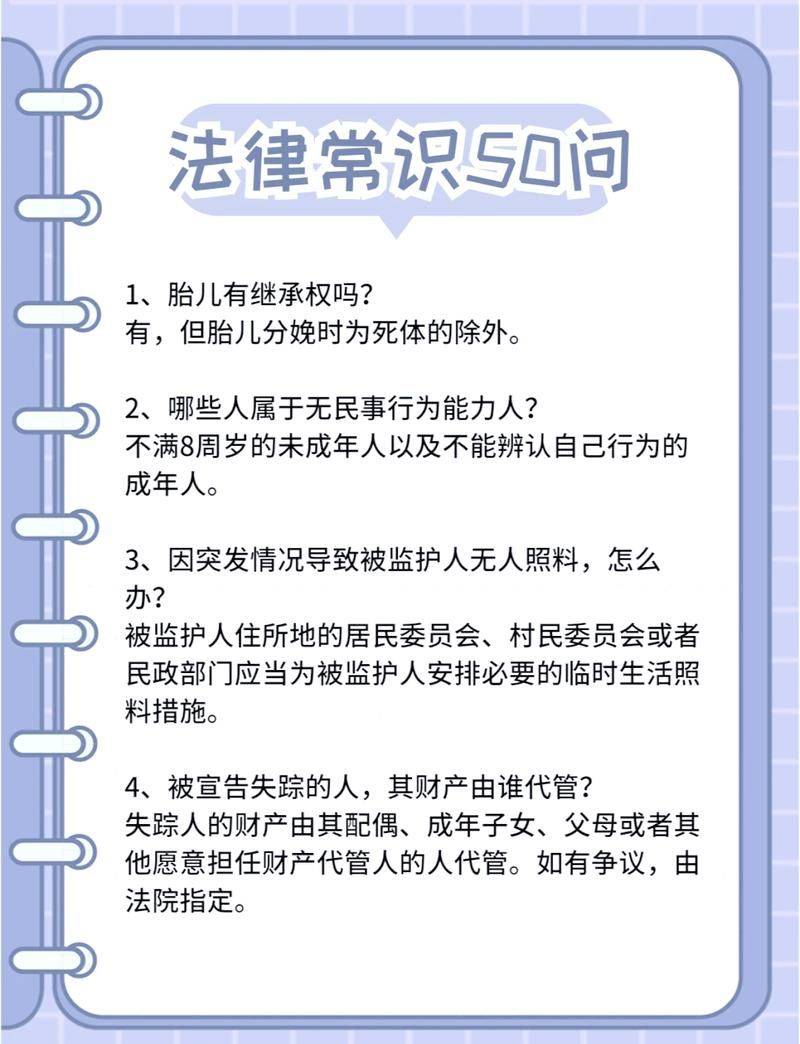
A person who is incompetent with property, or who restricts the civil capacity to cause damage to another person, shall pay compensation from his or her own property; the insufficient portion shall be compensated by the guardian。
Article 1 889 [delegation of custody]: a person who is incapable of civil action, a person who restricts civil capacity to cause damage to another person, a guardian who entrusts custody to another person, shall bear responsibility for the infringement of rights; a trustee who is guilty of an error shall bear responsibility accordingly。
[presumed liability of educational institutions for personal injury to persons incapable of civil action] article 1999: if a person who has no civil capacity is physically harmed during his or her studies or life in a kindergarten, school or other educational institution, the kindergarten, school or other educational institution shall bear responsibility for the violation; however, if it can be proved that he or she has fulfilled his or her educational or administrative duties, he or she shall not be liable for the violation。
[the responsibility of educational institutions for personal injury to persons with limited civil capacity] article 1,200: persons who restrict their civil capacity to suffer personal injury during their studies and life in schools or other educational institutions and who fail to perform their educational or managerial duties in schools or other educational institutions shall be held liable for violations。
Viii. In the event of a divorce by the parents, how is the maintenance of minors resolved
(i) what about the upbringing of minors after divorce
1. The custody of a minor child may be determined by mutual agreement between the parents。
2. After divorce, the child is under the age of two years, on the basis of direct maintenance by the mother. In the case of children who have reached the age of two years and whose maintenance is not agreed upon by both parents, the decision shall be taken by the people's court on the basis of the principle of the best interest of the minor child, depending on the circumstances of the two parties。
3. If the child has reached the age of eight, the real will of the father or the mother shall be respected in the event of a dispute。
(ii) what happens to parents who do not fulfil their maintenance obligations towards minors
If parents fail to fulfil their maintenance obligations, a minor child or an adult child who is unable to live independently has the right to claim maintenance from his or her parents and a minor child has the right to sue the people's court as a plaintiff。
(iii) do parents and children have legal relations after divorce
Relationships between parents and children are not eliminated by divorce of parents. After divorce, the child remains a child of both parents, whether the father or the mother。
(iv) can a child request a visit from a parent who is not living together after the divorce
Upon divorce, the father or mother who does not directly support the child has the right to visit the child and the other parent has the obligation to assist. The manner and time of exercising the right of access are agreed upon by the parties; if the agreement is not reached, the people's court decides. If the father or mother visits the child, which is detrimental to the child's physical and mental health, the people's court shall suspend the visit in accordance with the law; when the cause of the suspension disappears, the visit shall be reinstated。
(v) can a minor whose parents are dead or whose parents are unable to provide for him/her ask for custody
Grandparents and grandparents who are able to afford them are obliged to support their minor grandchildren whose parents are dead or whose parents cannot support them。