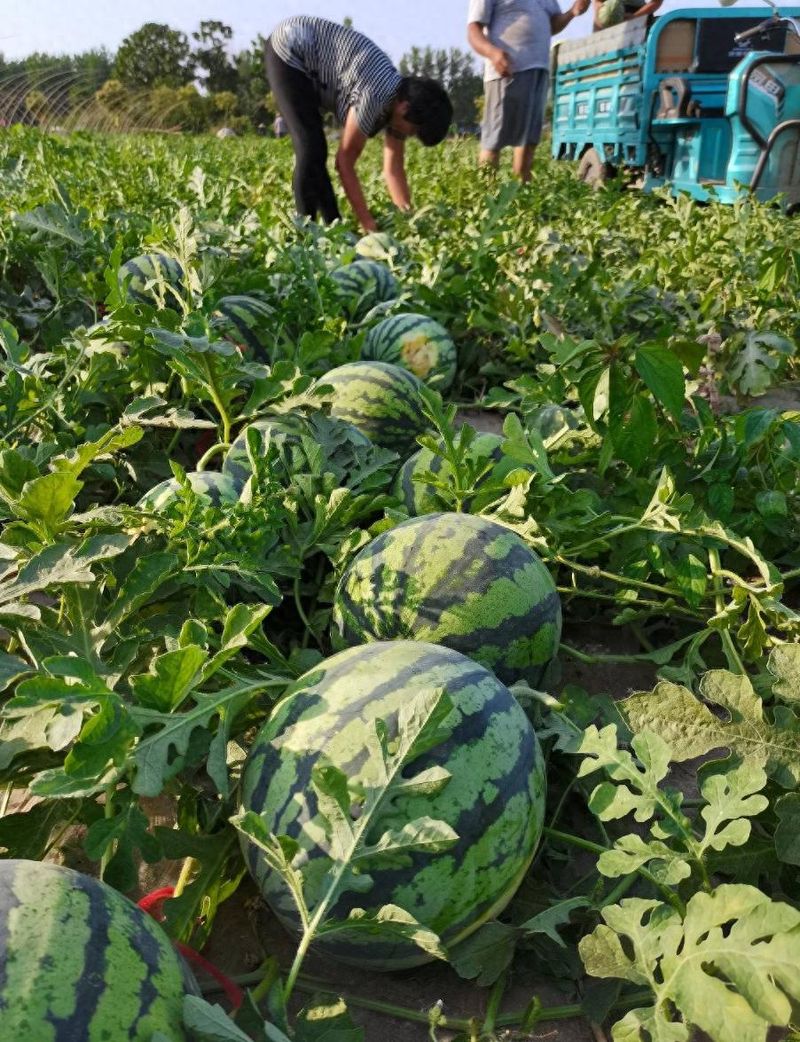
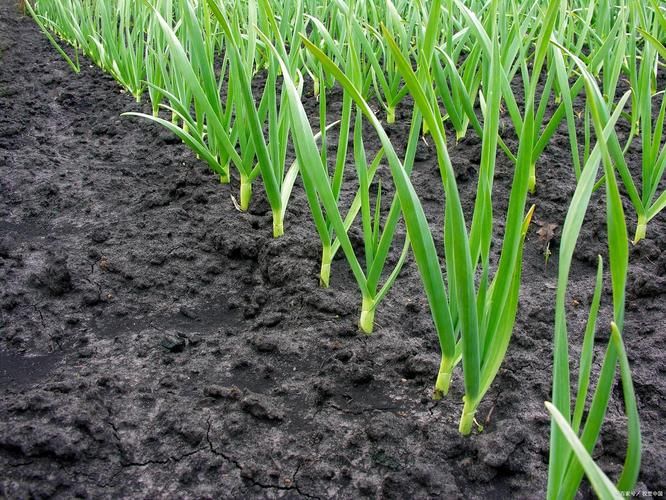
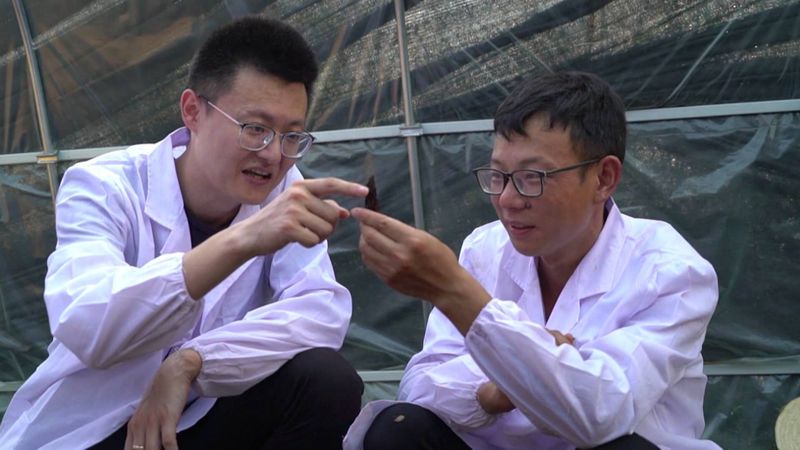
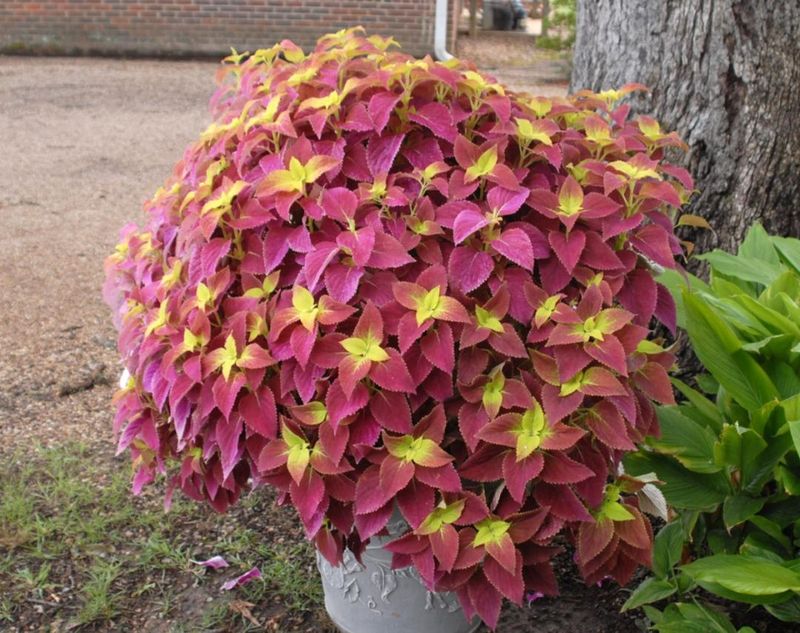
Friends often say that vegetables have been growing for a long time, why not grow? How many seedlings are there? They don't grow well, they grow high, etc. In fact, these are the result of poor cultivation methods, which are not properly managed. Today it is shared that two methods and three techniques of vegetable cultivation, which, when mastered, not only produce seedlings, but also grow fast and strong。
Two recipes
Vegetables are grown according to variety and are distributed, broadcast and on-demand。
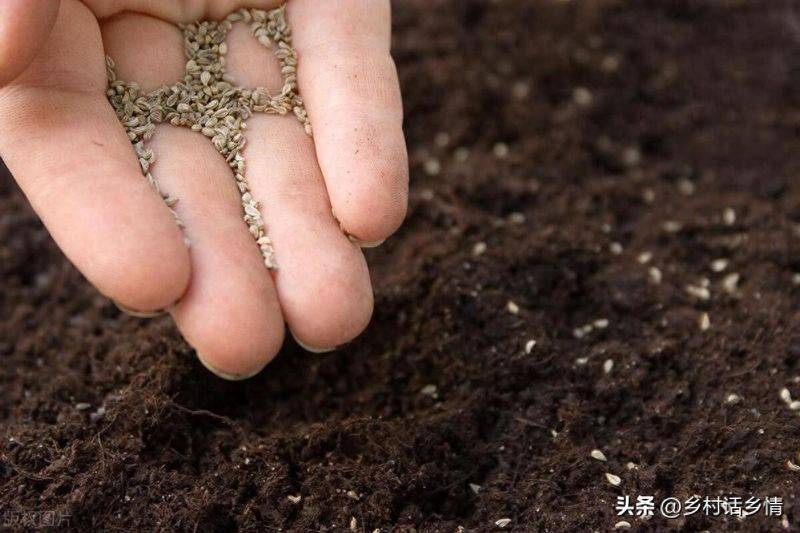
1. Dissemination
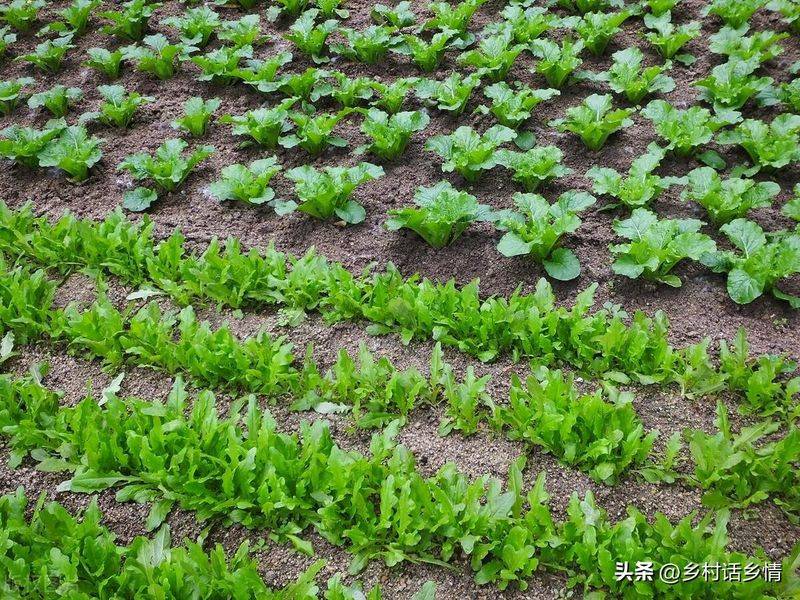
It is mainly directed at a number of plant-intensive vegetables, such as lettuce, spinach, onions, artemisinin, celery, etc. As these vegetable seeds are smaller and plant-intensive, they are sowing in many places. However, so as to achieve a more even distribution, it is possible to sow mixed sand, so as to avoid too many imbalances. Another way is to sow, soak and sow, sow the seeds evenly into the planting ditch and then cover the earth. Due to the small size of the seeds, care must be taken to cover the soil, which is about 0. 5-1 cm thick. It's too thick to sow seed。
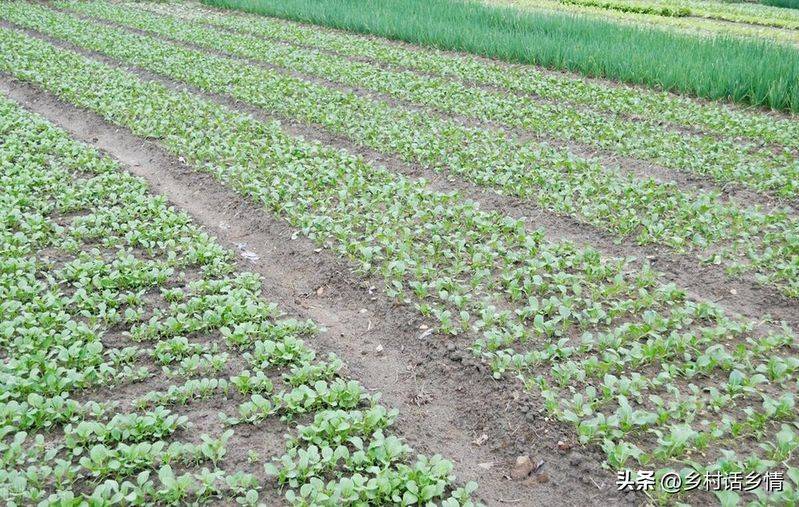
On-demand
The spots are mainly directed at vegetables that are too far apart, such as beans, cucumbers, pumpkins, cabbage, etc., and are generally on-demand. In other words, it is easy not only to save the seeds but also to manage them by placing the seeds in the pit at the distance of the different vegetables. However, it also needs to be borne in mind that the size of the soil should be determined according to the variety of species, and it must not be too thick, otherwise it will be difficult to seed。
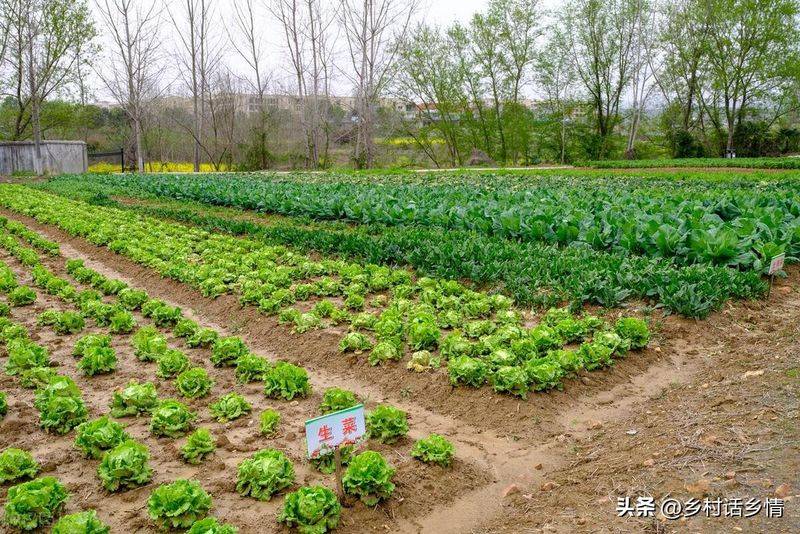
Three planting tricks
Whether growing vegetables or growing them directly with seeds, the right methods and techniques are needed to produce them quickly and well。
1. Controlling the temperature
The temperature of each vegetable seed sprouts and seedlings varies, and attention should be paid to this in nursery and planting. For example, a variety of guacamole crops, such as eggplants, peppers, tomatoes, cucumbers and pumpkins, require more than 20 degrees to ensure that they are well grown and that the temperature is not too low. Vegetables such as cuisine, celery, etc., do not have too high a seed sprout temperature, usually at about 15-25 degrees, which is slow and above 25 degrees and difficult to germinate. Vegetables such as radish, cabbage, lettuce, onions, seed sprouts at 10-35 degrees. It's no problem to lower the temperature。
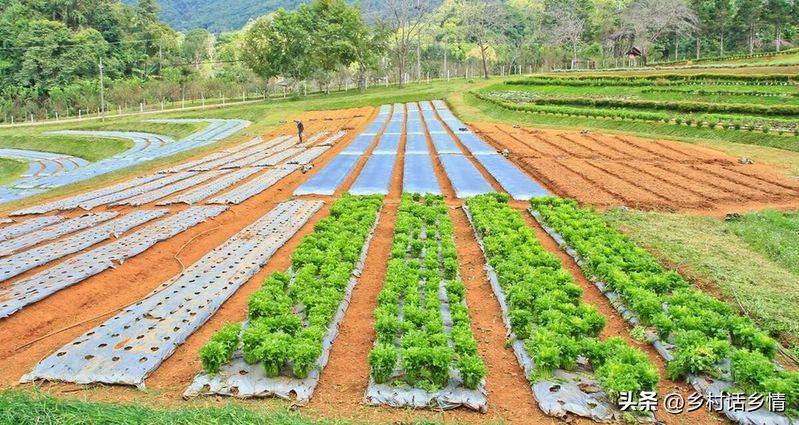
Water first when planting
If the soil is dry, either seedling or planting, it must be watered before seed is soaked, water must be watered and then planted and then the soil must be covered. If water is not used before planting, and then when it is finished, the soil surfaces will become hard and compact, affecting seed seed production, and so on. Of course, this means that when there is no rain before planting or the soil is dried up, water needs to be poured before planting, and if there is rain before planting or the soil is very wet, it can be grown without water。
3. Take control of the soil depth
Each vegetable's seed is thicker, and the smaller the seed, the smaller it is, the thicker it is. For example, small vegetables, tomatoes, eggplants, etc., can be covered in about 1 cm thick, like vegetables such as celery, or 0. 5 cm covered in less than 0. 5 cm covered, or, in the end, not more than 2 cm covered in beans, pumpkins, etc. So the earth must be careful。
In the light of the above, the above points are critical for the rapid and better cultivation of seedlings, which can be consulted。