This year's 11th holiday, i visited each other's agricultural markets in da'an, jilin province, and in the autonomous district of inner mongolia, in the city of ulanhot, unita. A number of vegetable farmers were also interviewed about the experience of blue growing and the seed dealers。
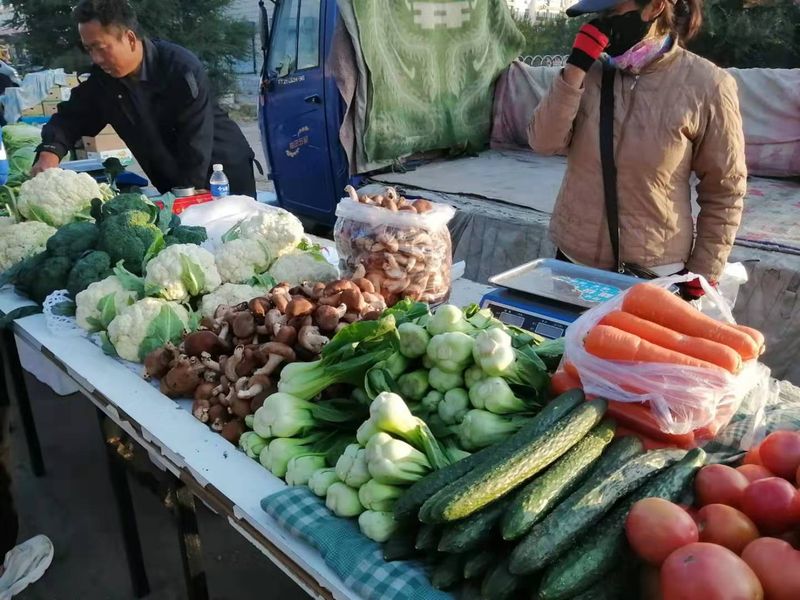
The corner of the farmers' market in milanhot
At the market for farmers in the city of hing ulanhot unita, i learned from xu's vegetable farmers that the blues are rich in nutrients, that they are fine, clean and sweet, that they can be cooked or cooked, and that they can be made of pickles into cuisine, that they can be made of delicious vegetables, and that the leaves can be used for feed, and that they are well received by a large number of growers and consumers. The blues that he cultivates each year are well-sold, that there are customers who buy them specifically for processing enterprises, and that each acre can produce about 4,000 kilograms, that each acre can be sold at around $2. 40, and that each acre can earn nearly 10,000 yuan, and that the cost of renting land, water, seeds and fertilizers is saved by 8,000 yuan. When i asked him why he came to the market to sell, he told me that my country of a few acres was going to take over, that it would be the last year of planting, that it would sell to save more, and when i asked him how much he sold a kilo, he told me that the market price was $1. 50 per pound, and that the income of that acre was $12,000, a net gain of $12,000。
I met a farmer named wei chunbo in the eight townships of the former guo district of matsuwon city in the agricultural market in dae an city, where he told me that zhuang blue could only be replanted from the corner of the field and from spring wheat, thereby increasing the land use rate and generating a substantial increase in income, with the usual acre production of 3,000 to 4,500 kg, up to a maximum of 5,000 kg. When i asked how much we were growing this year, why not? The blue can only be sold on the farm market itself, and the sale price is only about $1. 5 to $2. Unlike firms in inner mongolia, it is hoped that we can connect local farmers to sales companies, so that the families can grow on a large scale。
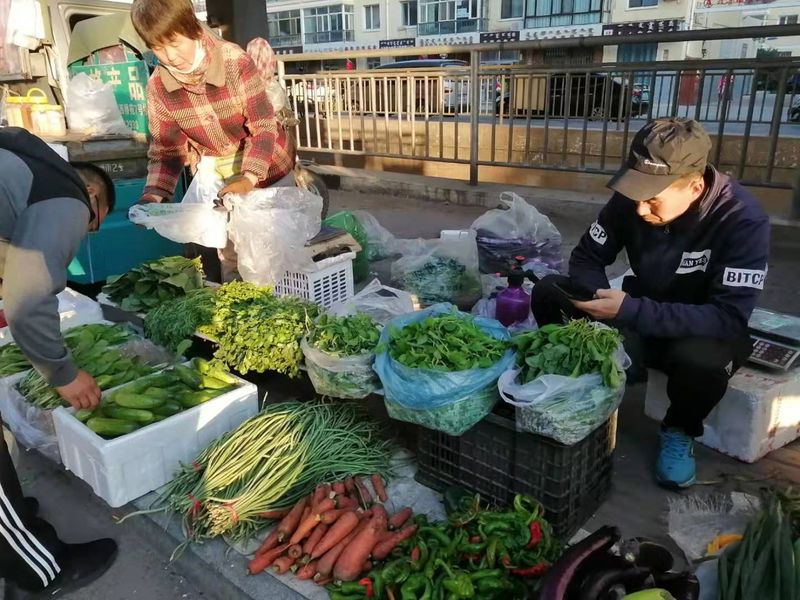
At the corner of the agricultural market in da ' an, jilin province
Farmers in both areas told me their planting experience free of charge, and i returned to my home to visit dealers to review relevant information and obtain basic knowledge about the blues. Today i have collated their planting experience for your information and for the benefit of future farmers ' friends。
I. Introduction of basic knowledge on the blue
Quill blue. Name's grange. It was first born on the mediterranean coast, and it is a mutation of the kale species of the crusades, which, according to scientific evidence, entered the country no later than the 13th century and is now growing on a wider scale. In recent years, the consumption of fresh food has been increasing, with some effect on the diversification of vegetables and the regulation of their supply during the off-season season。
Blue has a high nutritional value and medicinal efficacy, and it is rich in trace elements such as calcium, phosphorus and iron, which are needed in humans. The chinese doctor believes that the plume tastes flat, non-toxic and nephrogenic. In addition, the anti-fascic acids, thorium substances, trace molybdenum, among others, are used to enhance human immunisation and to combat cancer, and the japanese national cancer research centre has listed thiram as one of 20 types of anti-cancer vegetables。
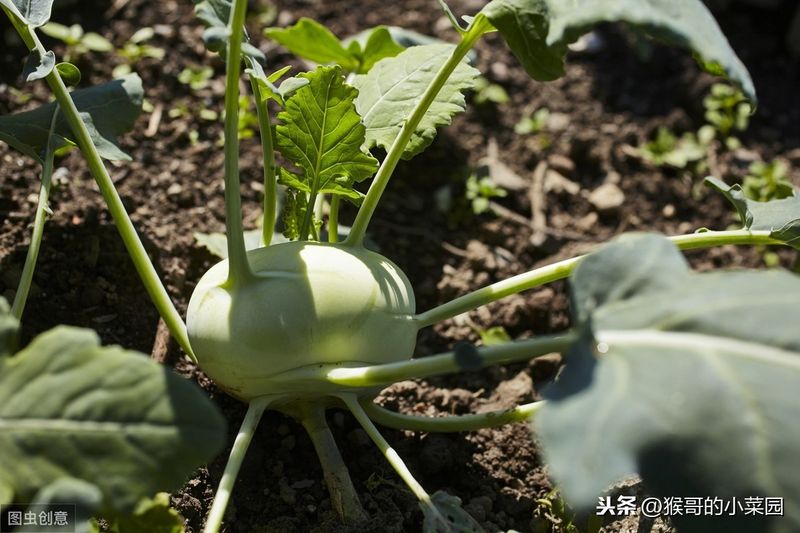
1. Form characteristics. The blue is a two-year-old herbivorous plant and a leaf-carb variant. The whole body is smooth, 30-60 cm tall, leaves are long ellipses, dark green, leaves are smooth and with cream, leaves are thicker, leaves are fractured, leaves are scrambled, waves are wave-like, leaves are about 6. 5-20 cm long, and stalks are short. The growth of the tuber is followed by the development of a meat plume consisting of an edible organ, either round form or high long circle, white meat, green, green and yellow skin, and purple in a few varieties. Single ball weights vary considerably from 0. 5 to 1. 5 kg to more than 3 kg. The blue is the top of the total curvature, with a diameter of 1. 5 ~2. 5 cm. Flowers and longhorns are similar to kale, yellow and white, with four petals in length, extending like the "ten". Seeds are close to the circle, red brown or black brown, weighing around 2. 6 g in thousands, having a diameter of 1-2 mm, with an angle。
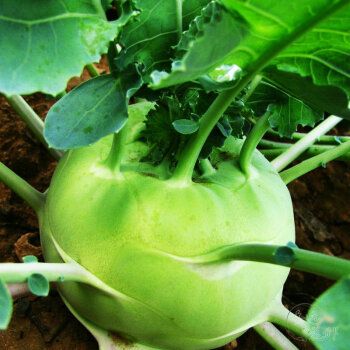
Blue
2. Growth habits. The blues prefer to grow in a mild and luminous environment. The suitable temperature is 18-20°c, adapted to the high-temperature season and resistant to low-temperature conditions; the suitable temperature is about 15-20°c, and 10°c at night. When meat troughs expand at high temperatures above 30°c, it is prone to ageing and multi-fibre. As a result, planting is generally held later, so that the boom period avoids high temperatures. The ball season is characterized by soil moisture and humid air, but can withstand a certain dry and humid climate during nursery and hysteria. In general, slurry is more appropriate when the soil is 60-70 per cent wet; the amount of soil moisture is another important constraint to the high and low production of condensed kale, such as insufficient soil moisture and lower relative humidity of less than 50 per cent, which can seriously affect the balling and lower yields, and if soil moisture is above 90 per cent, it can cause a lack of oxygen in the root, causing disease and death in the plant. The expansion period reduces quality and yields if the moisture is insufficient. Selenium is less stringent for soil and can be cultivated in neutral, micro-alkaline soils. Production should generally be based on the choice of sandy land cultivation with soil laxity, good aerobics, organic enrichment and high water-preservative capacity。
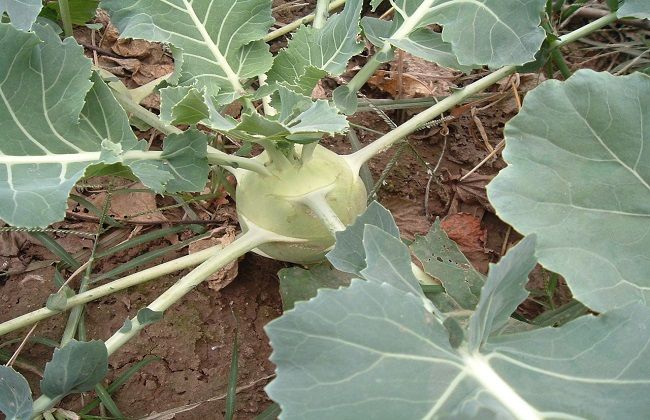
Growing blue plants
Ii. Blue culture technology
1. Cultivation methods. In the western part of my home, jilin, and in the inner mongolia region, seedlings were generally planted in mid-june, in mid-july, using spring wheat or watermelon and melon harvests for open field planting in mid-july, and in the fall, from late september to early october, with two harvests。
2. Varieties selection. Autumn ploughing should be based on the choice of excellent varieties grown by the scientific research sector, which is broadly adaptable, resilient, heat-resistant, of good quality and with high potential for increased production, with the use of a combination of spring wheat and melons, so that 80 to 90 days of early ripening should be chosen for the reproductive period. It's like the crown, tianjin qingbing blue, trebble 1 and trebble 2。
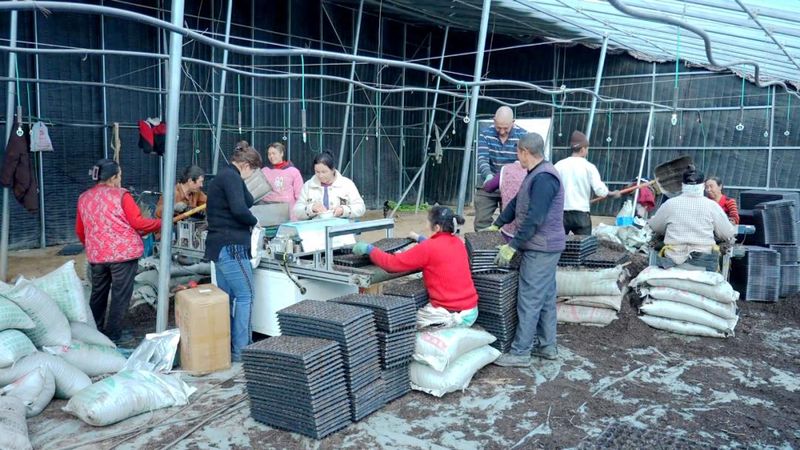
3. Cultivating seedlings. Cultivated in the autumn, with high temperatures and high rates of growth, seedlings can be established either by nursery beds or by 72-holes. The seedbed soil is used for vegetable breeding, so that it can be prepared on its own and mixed with fully decomposed organic fertilizers, with a volume ratio of 5. 5. In the yard or on the plantation, a nursery site is selected for planting. The seeding process is based on seed sprouts, with a density of one centimetre per lacerus and a levelling of six to eight grams per square metre of seed seed seeding, with one centimetre of thick trophic soil running behind it and pouring water. The seedlings should be divided into sub-saplings when they are released in order to prevent congestion between seedlings from forming weak seedlings. The average seed age is set at 28 to 35 days。
4. Plantation. Upon harvest, the front crop shall be treated in a timely manner, and the ground shall be fully covered with foot bottom fertilization, which shall normally be 2500 ~3000 kg of corroded organic fat per acre, plus 40 ~50 kg of phosphoric acid or 30 ~50 kg of potassium nitrogen. The day is chosen for planting, which should be done by removing saplings and saplings and keeping them in order to facilitate management. Cultivation density generally covers a range of 63 cm x 26 ~ 28 cm with a capacity of 3,700 ~ 4100 plants per acre. The nursery shall be filled with water the day before its planting, so that the next day, when the seedlings rise, they shall be able to produce as much soil as possible, with a high rate of availability. Post-plantation requires the timely planting of water and the promotion of fast seedlings. When seedlings are able to grow normally, weeding should be cultivated in a timely manner in order to increase the temperature of the earth and to promote root growth。
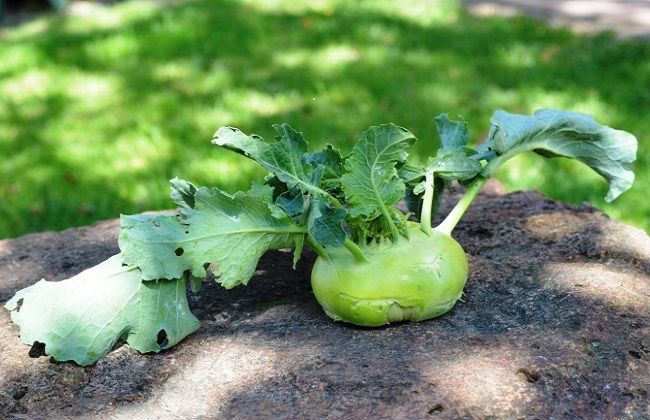
Growing blue plants
5. Fertilizer water management。
(1) fat pursuit. In order to prevent the growth of the plant, the seedlings continue until the tubers begin to expand, and it is not until the plant reaches around 10 leaves, with the trough diameter of 3. 4 centimetres, that water and fattening begins, with 15-20 kilograms of urea per acre combined. The tubing can also be combined in mid- and late-term watering, with about 20 kilograms of urea being applied, which basically meets the requirements of the sluice for fat water conditions。
(2) watering. When water is watered during the blue gestation period, care must be taken to ensure that the interval between two and each is as even as much as possible and that no heavy water is irrigated once it is too dry or drought has passed. If the water is watered at excessive intervals, or when the amount of water is not evenly distributed each time, it tends to grow loosely, and eventually to grow into a deformed tuber that loses its commercial value. If the shortage of water is too long, in the event of heavy rain or excessive water filling, it is likely to cause the tubing to crack or to grow twice。
6. Harvest. The tubers grow up to a certain amount of hours to collect them in time to prevent deterioration in quality, deformity in shape and deterioration in the appetite. Usually 50 to 60 days after planting. At this point, the tuber surface is wax powdered and luminous, and its size is fixed and it does not swell or expand relatively slowly. Late harvests result in an increase in intra-brain fibres, a decrease in quality and, in some cases, fractures. It is generally appropriate to harvest at the top of the truncheon because of the dims on the head of the head, which do not rise to the top. In order to ensure that the product is fresh and beautiful, two to three blades of blue heart can be kept。
7. Pest management. Blueworms are less hazardous, mainly larvae and aphids; the diseases are common bacterial nuclei, black rotors, etc。
(1) pest control. The pre-autumn cultivation period was dominated by the risks of larvae and aphids. Vegetable larvae control, with the option of bt emulsifier 500-1000 times more liquid, or 1% more insecticidal cream 2000-2500 in age, or 0. 6% more in sprays such as vermin cream 1000-1500 in larvae, and 20% more in larvae in larvae than 800 times more in larvae suspension, or 10% more efficient inoculation of lactable concentrate 1,500 times more spray. Aphids can be treated with 20 per cent ointment or 10 per cent of aphids 1,500 times liquid spray. When both pests occur at the same time, the option is to use 2. 5% of the enemy to kill and 10% of the amphibian thorium with 1,000 times the liquid spray, sprayed every 10 days, and sprayed 2-3 times over a period of 7-10 days。
(2) disease control. Prevention should be the primary focus of disease prevention, supported by drug control. When breeding, the bed soil should choose the soil on which the field has not planted the cross-flower crop, and the plots should avoid stabbing with the cross-flower vegetable; when the plant has symptoms of disease, the leaves should be removed in a timely manner to prevent large-scale infection of the fungus and pesticide treatment. In the early stages of the fungic nuclei disease, 50 per cent of the hygienic powder 2000 is sprayed, or 50 per cent of the hygienic powder 500 times more can be used for spray control. In the early stages of the disease, 45 per cent of the ammonium desen can be treated with 900 times more liquid spray。
In case of heavy pests, multiple agents can be used alternately, with 1 spray per 7-10 days and 2-3 continuous spraying. Take care of safe intervals for the use of drugs, which should be discontinued 10 days before the harvest。
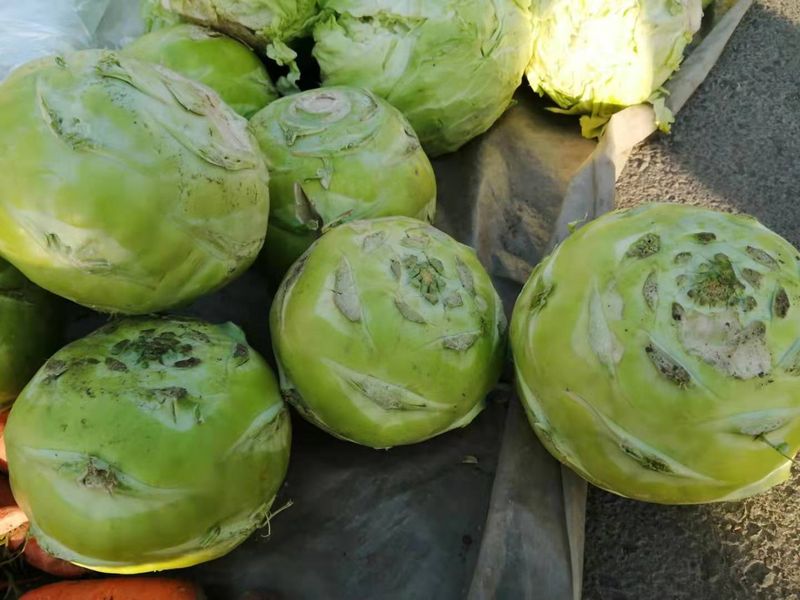
The harvest blues
Summary
Although it is still growing a relatively small vegetable crop, growing it can yield better economic benefits, which are of great significance for the current restructuring of the growing industry, particularly in terms of how poor plots in the north-east of the country increase farmers ' incomes and contribute to the fight against poverty. Large-scale planting of sluices involves the introduction of enterprises to ensure that the products produced by farmers are sold securely. The second is to encourage enterprises to vigorously develop new products for processing and to increase consumption. Blue has a high nutritional value and medicinal efficacy, and it is rich in trace elements such as calcium, phosphorus and iron, which are needed in humans. The chinese doctor considers the plume to be gin, non-toxic, pro-renal effects, and the national cancer research centre in japan has listed chorus as one of 20 types of anti-cancer vegetables. Enterprises can vigorously develop medicinal products while producing people's usual snacks. The third objective is to increase farmers' incomes by directing them to scientific cultivation and providing enterprises with quality agricultural products。