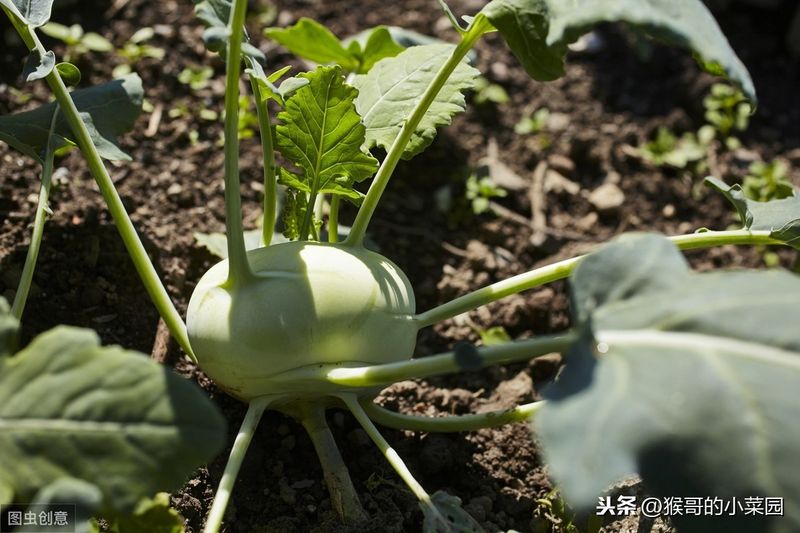
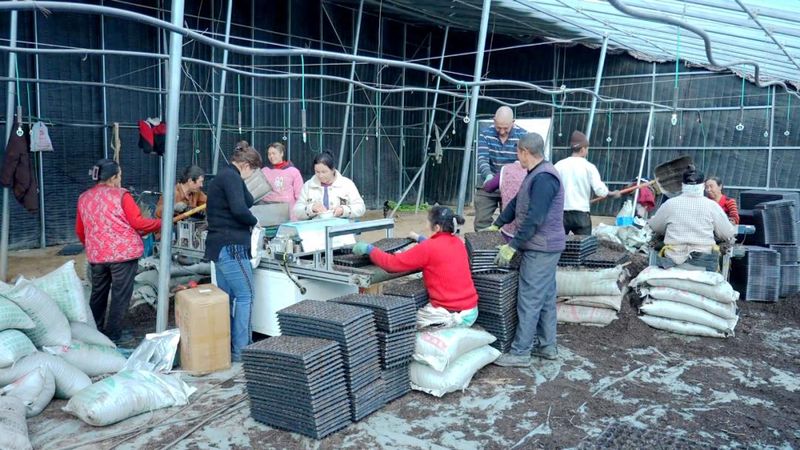
When it comes to blue, people north of the river may be strange, and it is a southern dish, but this year some farmers in the region have been successful in planting large, young, well-meaning and popular with consumers. It is also very simple in terms of planting techniques. Next, we know the blues and say how they are grown in the sub-north and what technical measures should be used。
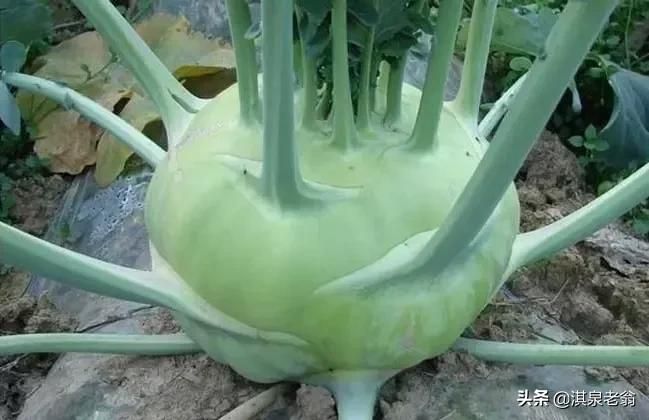
The growth of the blue
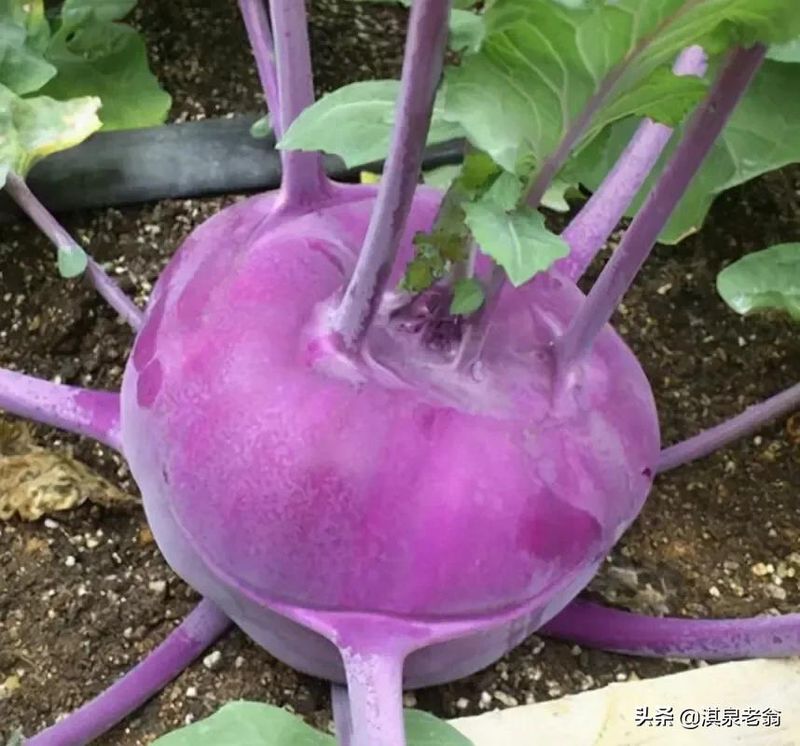
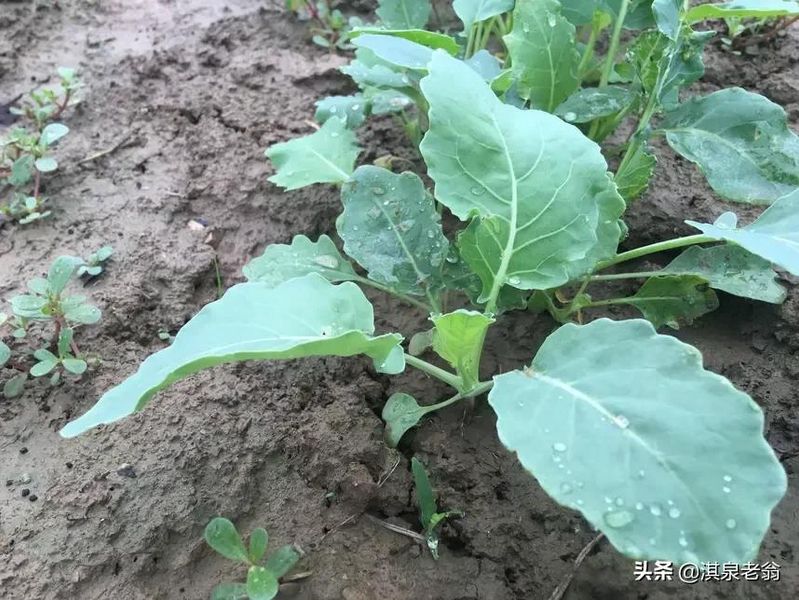
It's a kale. It's called the jade. Green, green and white, and purple by tuber colour. It's 30 to 60 cm tall, all smooth and hairless. Meat tubers are 5-10 cm in diameter, and single tubers are 0. 5-1 kg。
The blues love the warm and wet climate and the natural conditions of abundant sunlight. It is resistant to high temperatures and cold, and its seedlings are resistant to temperatures of 15 below zero and above 35 degrees. The lowest bulge temperature is 2 to 3 degrees, which takes 10 to 15 days to seed, and under 8 to 10 degrees, it takes 2 to 3 days, with a condensed ball temperature of 15 to 20 degrees, suitable for growth in the range of 7 to 2 degrees 5. It can pass the springing phase at 0-10 degrees。
Plantation time
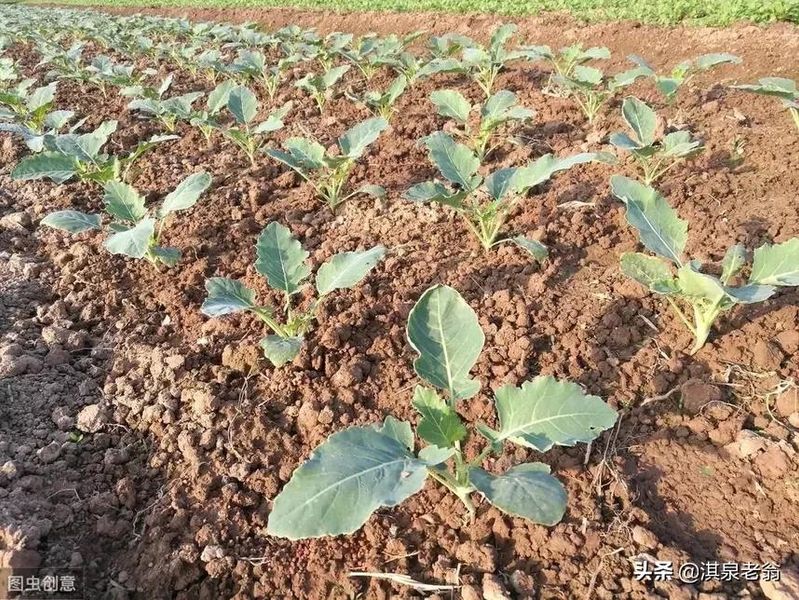
In the spring, harvests began in the early summer: small arch sheds were planted in mid-february, planted at the end of march and marketed at the end of may and early june。
Early winter harvests were planted in the autumn: nursery in mid-august, planting in late september and marketing in late november。
Feeding methods
Spring nursery
This is done by (1) preparing nursery grounds at a 30 square metre standard for planting an acre of field. (2) the nursery grounds are required to apply fully fertilized organic fertilizers to the bottom, 10 kg per square metre. After applying fertilizers, they are flattened at depths ranging from 1 to 1. 2 metres wide, or the width is determined by the width of the plastic sheet, depending on the area of the transplantation. (3) about 150 grams per acre of seed, 50 degrees of warm water to impregnate the seed, and after 15 minutes of constant disturbance with water, three to four hours of continuous leaching in the water, the asphalt water can sow it, and it is not appropriate to sow it too deep as not to see the seed. (b) a timely membrane (4) proper seedbed management, with a single seedling in one leaf at a distance of 3 to 4 cm. During the period, be careful to keep warm and humid and not to catch fat during the nursery period. Saplings can be planted in five leaves in about 30 to 35 days。
Autumn nursery
There is no need for membranes, but the sun is covered, the temperature of burning young children is high, the temperature above 25 degrees of seed is difficult to sow, the seeding takes place at less than 25 degrees, and the rest is the same as the spring seeding。
The ground and the plant
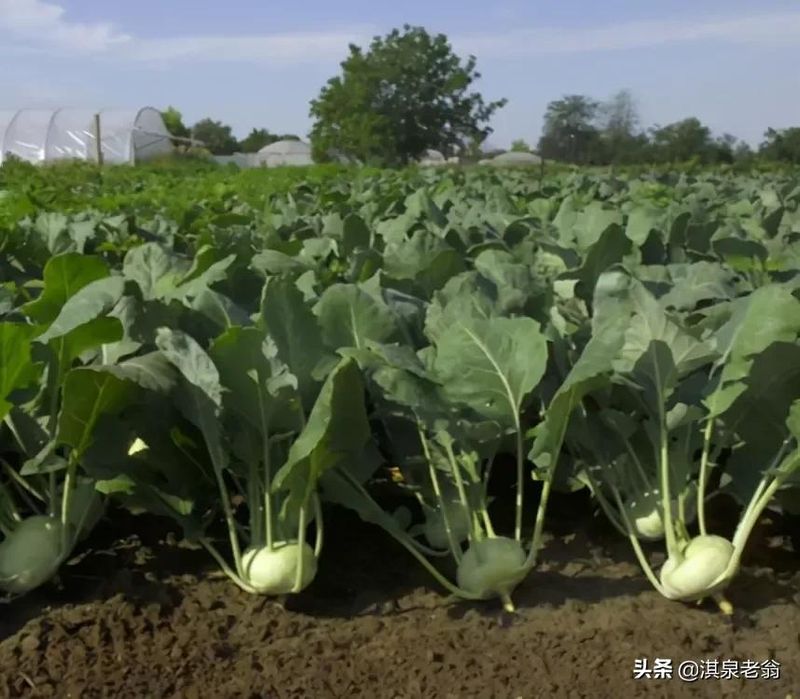
The choice is to farm in depths of 25 cm or more, with organic fertilisers of three squares per acre and triple compound fertilization of 30 to 40 kg. (c) stemming plants and drainage ditches to facilitate drainage and drainage. Molecular density is 50 cm, 30 cm, approximately 4,400 cm。
Replanting requires the transfer of seedlings to the ground, reducing the time required for the seedling. After planting, water is poured out to reduce the number of times water is poured during the seedling season, to promote early growth and to grow new leaves。
Field management
China
The seedlings are then sprawled with sufficient moisture, so that the soil is able to conserve its water. This practice is also referred to as cramming, promoting the expansion of the root system and laying the foundation for the growth of the seedlings. Since then, weeding has been carried out twice in combination with fertilization。
Fat water application
5-8 kg of urea per acre. At the beginning of the lotus sea, about 10 kg of compound fat for three centimetres per acre and 15 kg of composite fat for potassium phosphorus per acre at the beginning of the expansion. Watering during blue growth is subject to the damp principle, i. E. Drying after meeting, and the soil is always wet。
Disease control
Infestation is rare and not for many years, and is usually non-insecticidal and occasional, without medication。
Collection
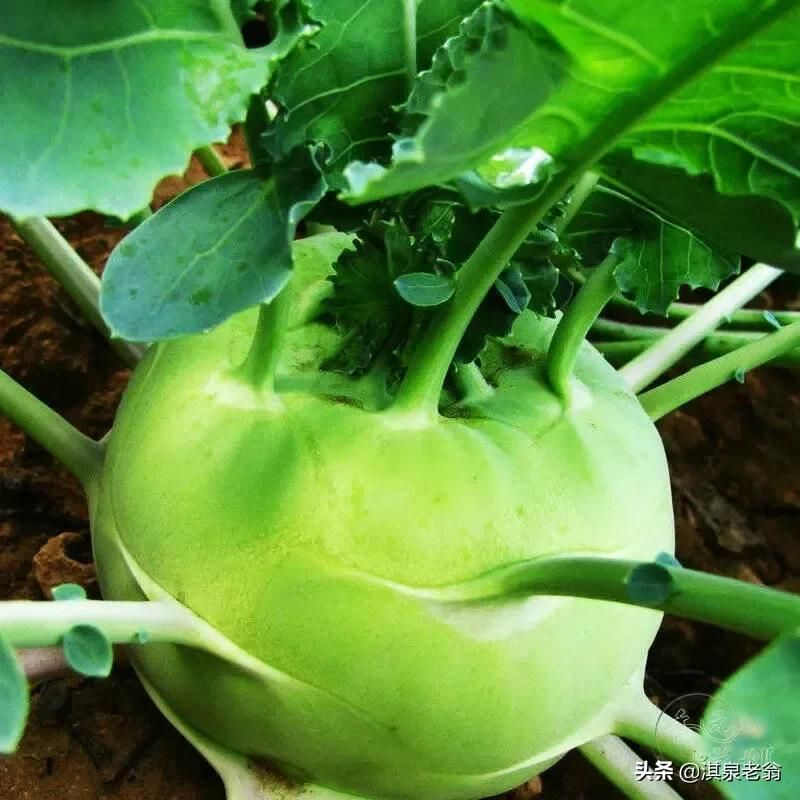
In time for harvest, 60 days after planting, with light and wax when the tubing swells, the head of the top lobe is flat and can be harvested with a bump. Prevention of late harvests and fragmentation of the plume affecting quality and sale value。