The vegetable farmers know that chili trees grow every year, freezing to death by autumn winter。
What you don't know, however, is that the chili trees are born for many years, so long as they are safe for the winter, they will also be able to draw long leaves in the second year。
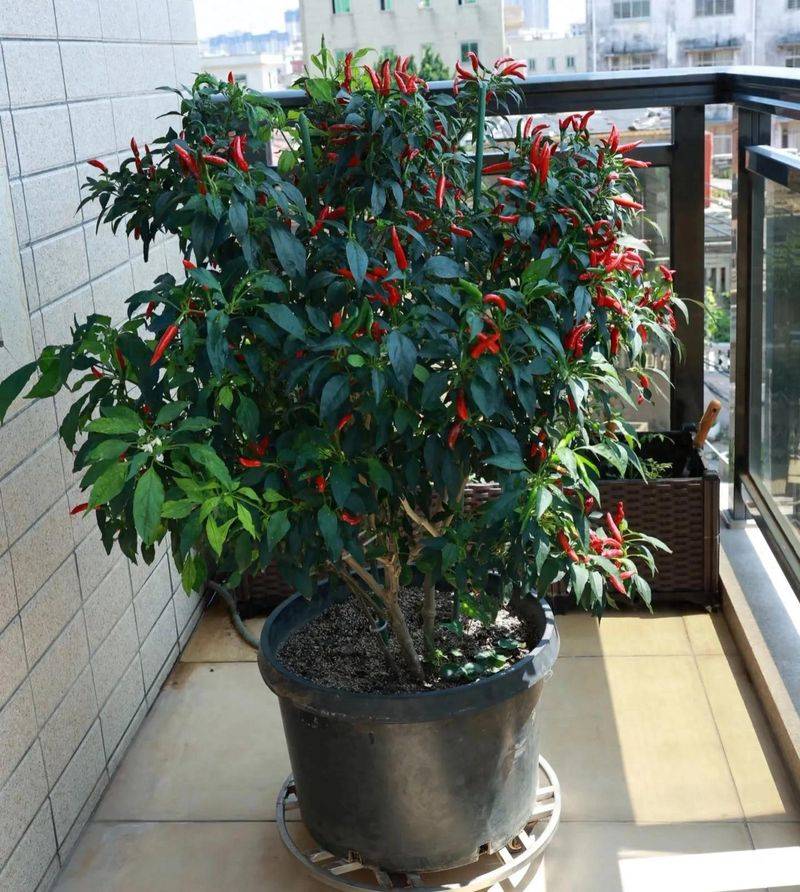
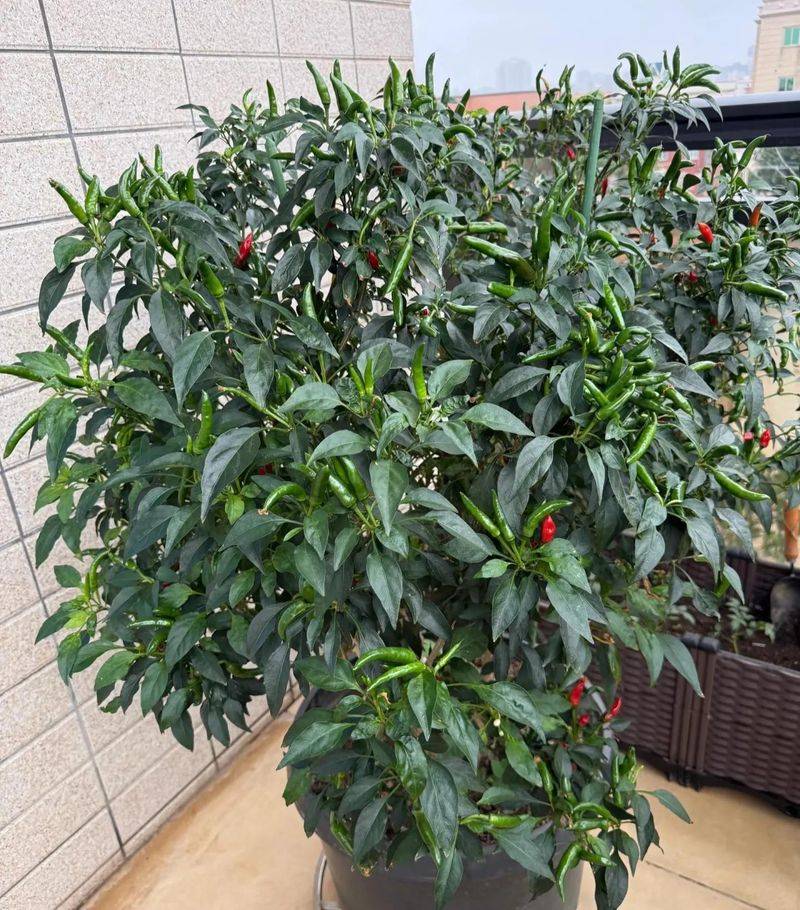
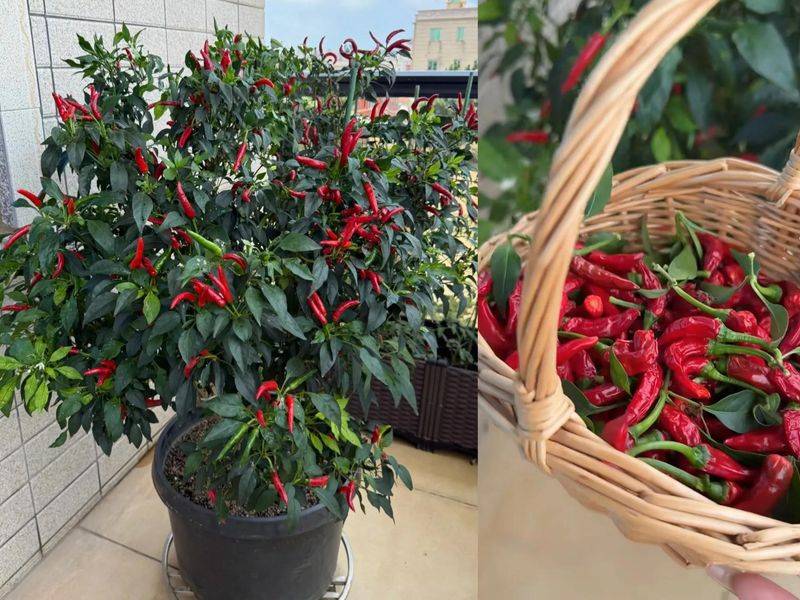
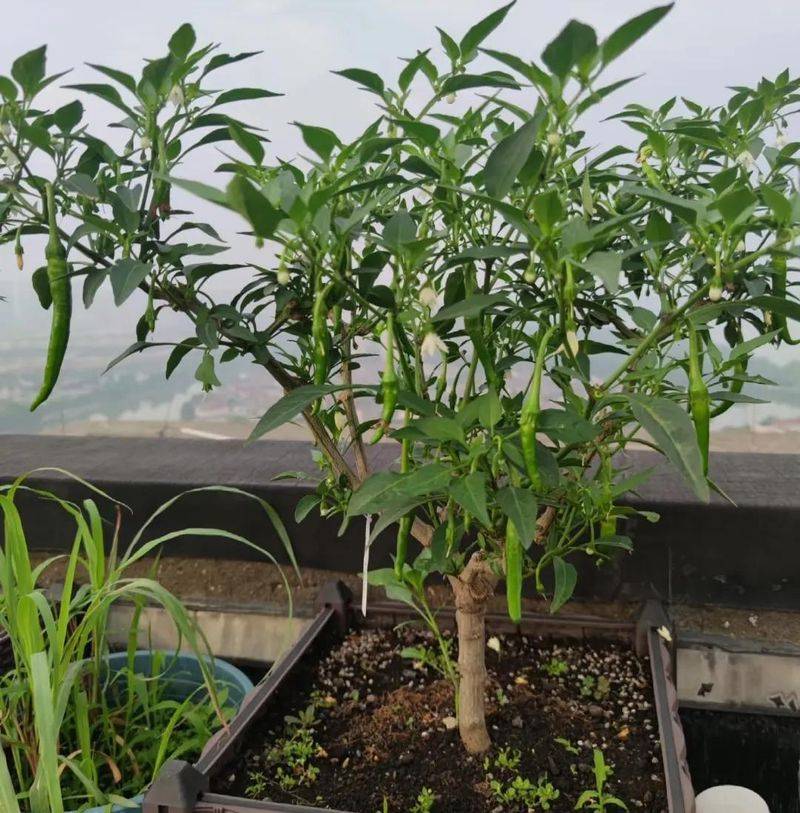
It's the third year of the year that this unfriended tree has been raised on the balcony. Every year, it's going to have a lot of chili, and when it's made, it's going to have to go to the balcony to pick it up。
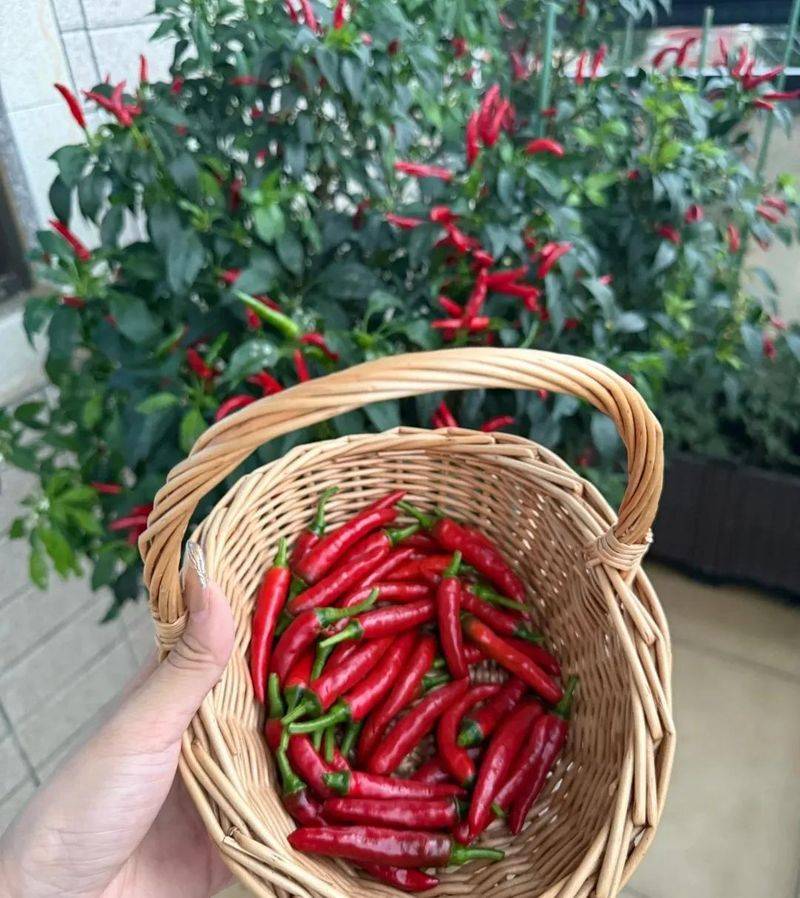
A friend's family has this chili, which is not very big, but very hot, so it doesn't use a few chili for a meal, so this size is enough for a family to eat。
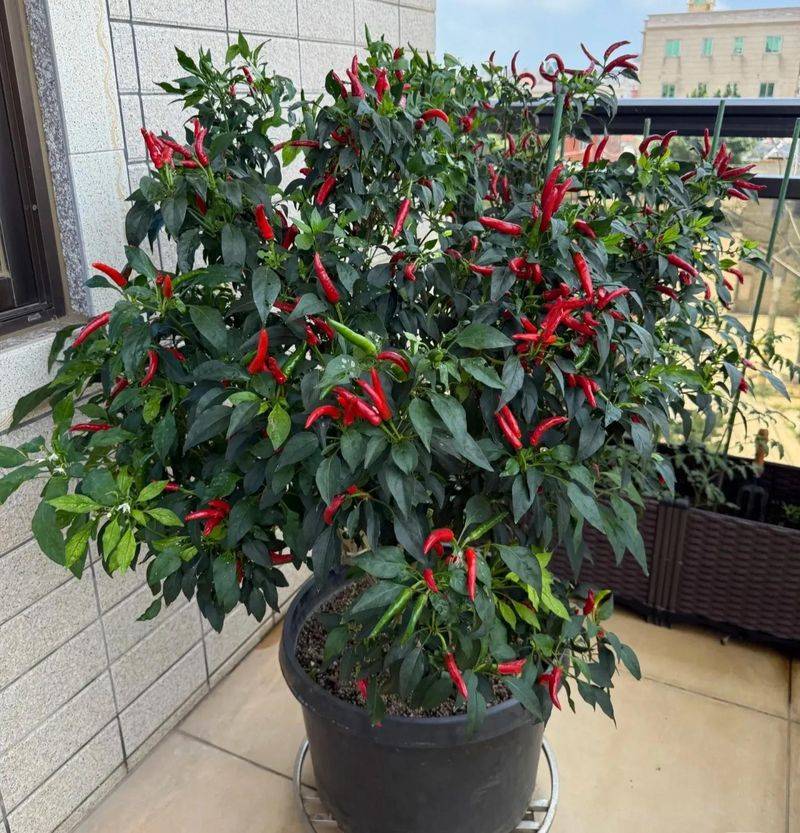
Sometimes it's too much, too much to eat, too much spicy。
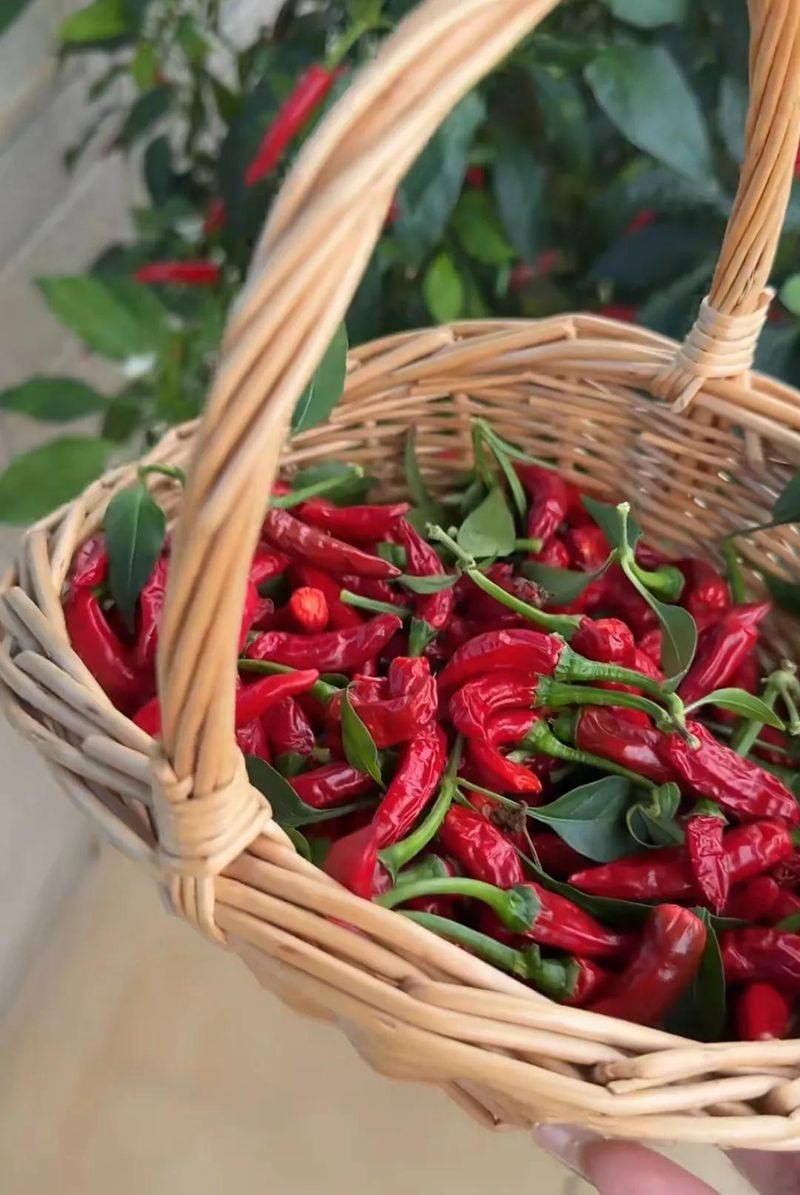
Look at this color, it's an appetite
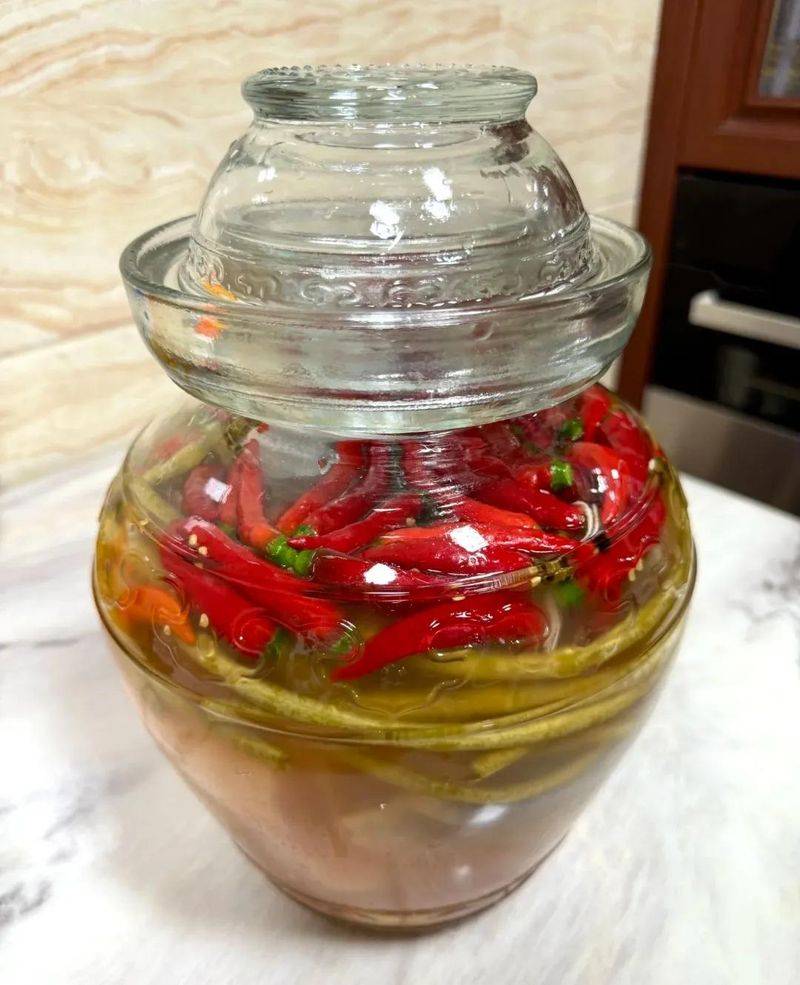
How do we grow the chili trees into old stakes
1. Selection
Although the environment is appropriate, all chili trees can be born for many years. However, it is difficult to divide easily, and some varieties of pepper trees are more likely to age。
Some species, such as diaphragms, peppers and peppers, tend to be cold and fragile, difficult to survive the winter and have little chance of survival。
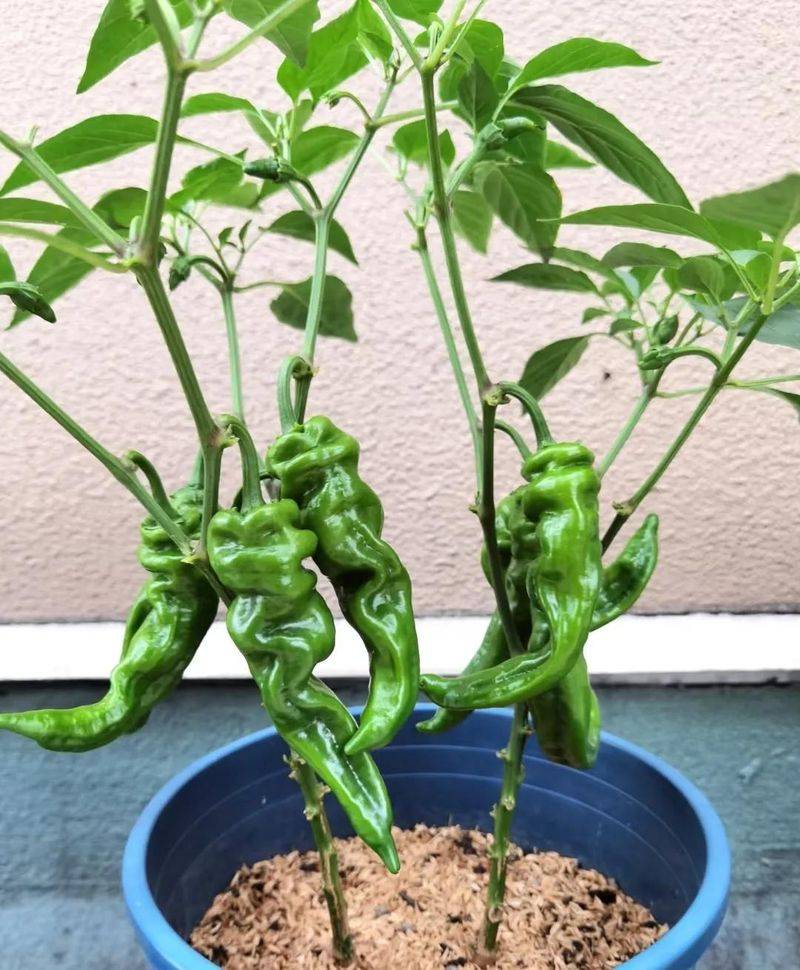
Some varieties, such as chili (mpicy rice) and local peppers, are known as “seed players” who grow old stakes。
But chili is too hot, and the more spicy it is, the more hot it is every year。
So it's possible to pick a local type of pepper. They are cold, drought-resistant, resilient and resilient。
2. Selection of seedlings
Paprika is found in most areas, and the main reason why it cannot grow is intolerant frost. So in order to grow old stakes, you have to plant the chili trees in the flower pot before the frosts fall, and grow them into warm indoors。
So the selection of seedlings is especially important, because you cannot choose a small seedling, you cannot choose a very small seedling, you cannot choose a seedling with pests, and you should choose a strong seedling, so that the rate of survival is high。
Cutting
It is also important to trim the paprika seedling, which is divided into winter and spring trim。
In winter, shears are usually large, called recuting, with more twigs, while in spring shears are usually just a little trimmed。
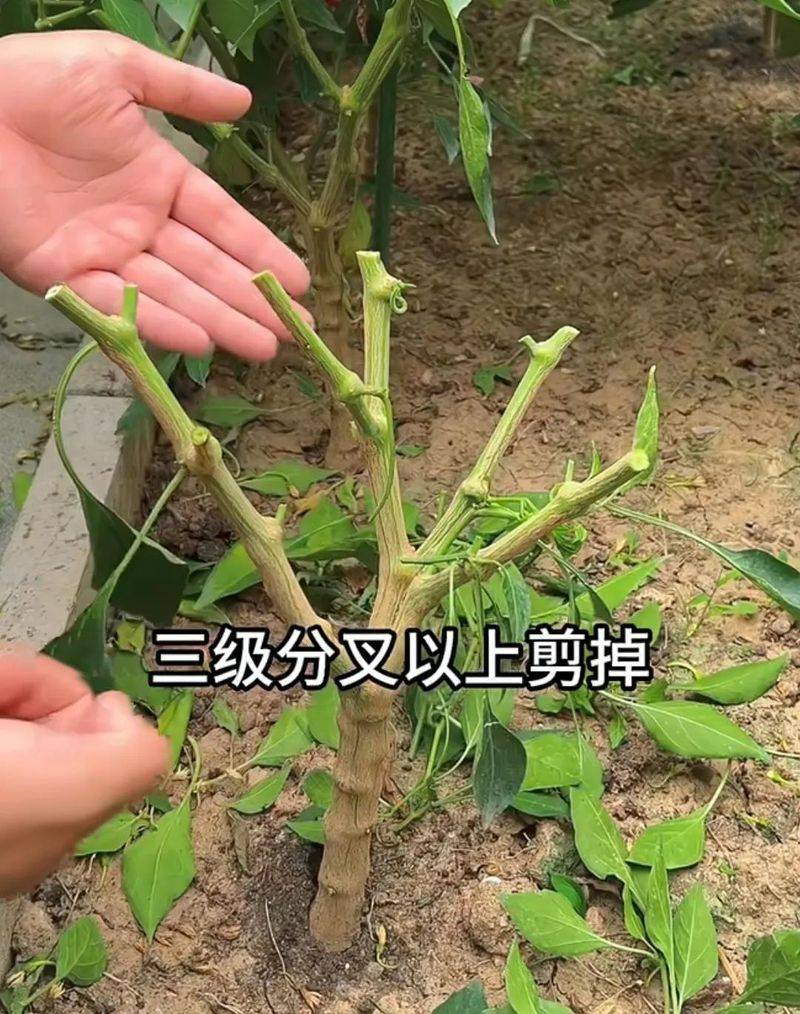
Winter trim: only the main pole (normally three poles of chili) will be kept, and the main pole will be kept on both sides of the pole, and any new branches will be added to the double branch next year and the other old branch will be removed。
Spring trim: break the extra side branches, knock off the first useless fruit, knock down hundreds of fruit. It's a scrawny date. It's not long. If you don't break it, you won't get much。
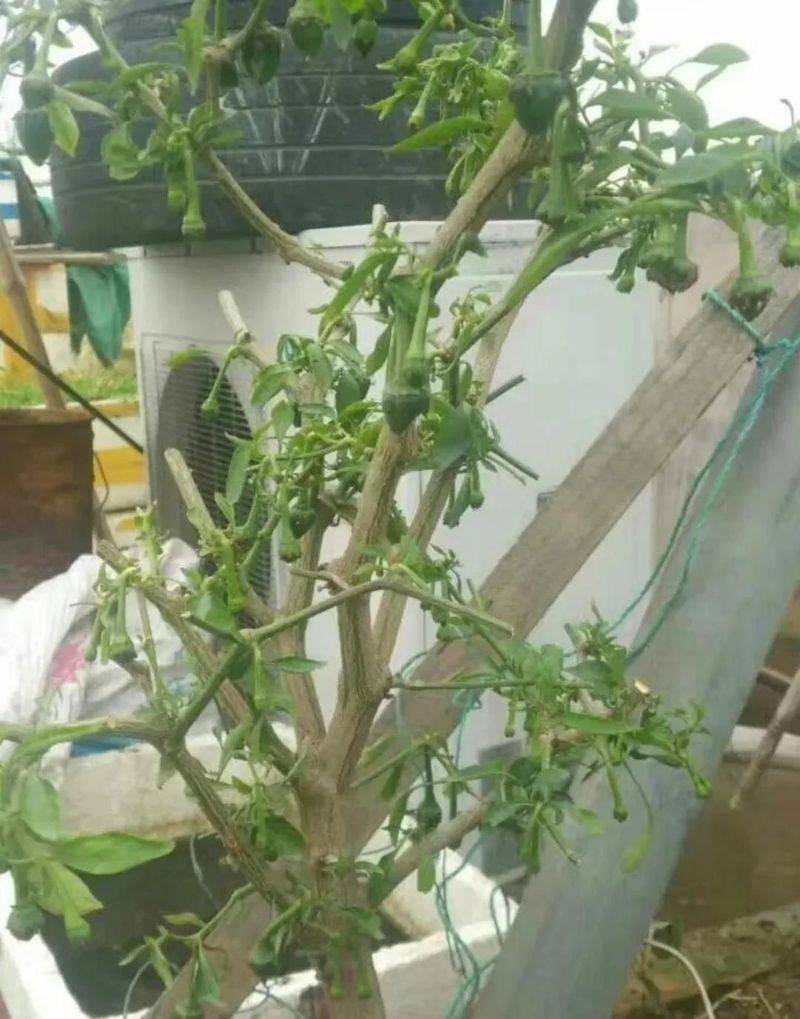
Replanting
In the spring, the whole basin comes out, the soil is reconfigured and the base fat (e. G., rotting chicken dung, pigeon dung or directly earthworm dung) is then replanted。
The balcony is planting other vegetables
1. Tomatoes
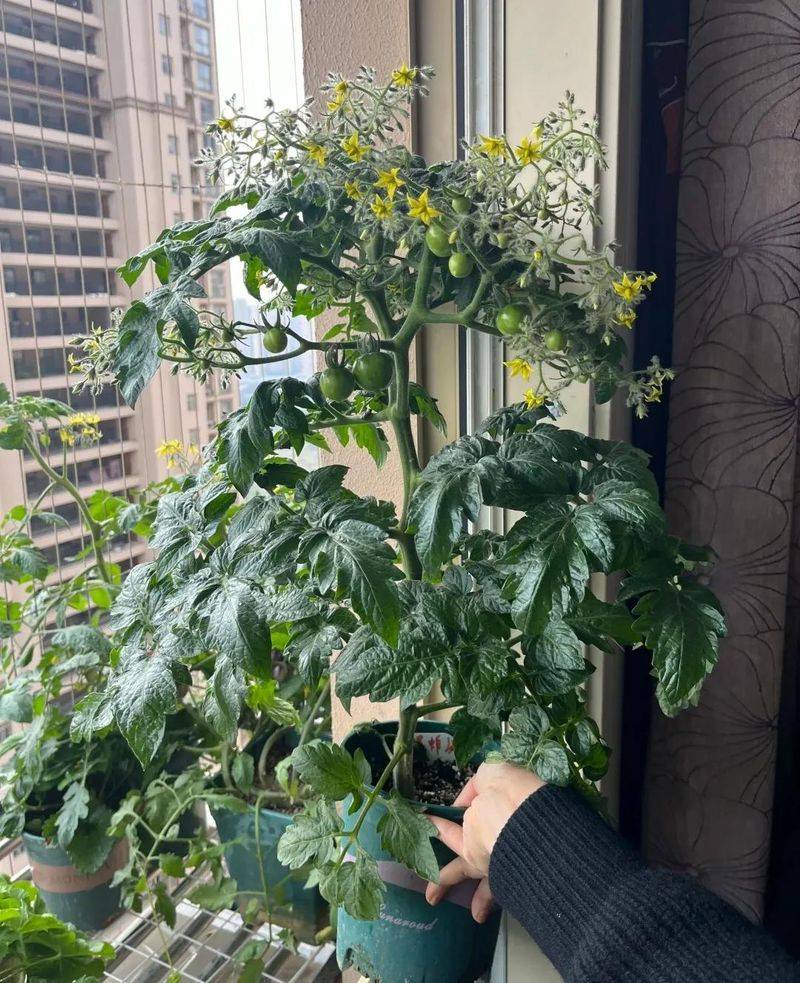
Tomatoes feed better than chili trees. And many flowers, many results, and friends who like tomatoes don't miss it。
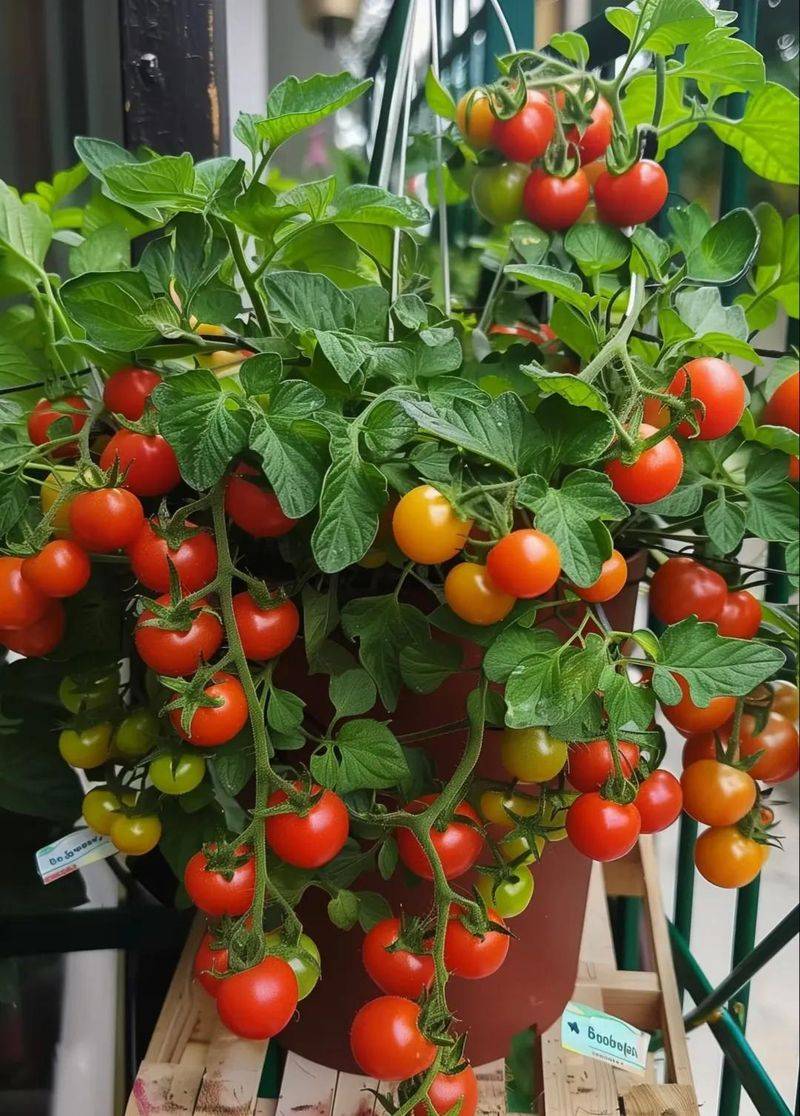
The tomatoes you grow are much more fragrance than the tomatoes you buy。
Tacohead
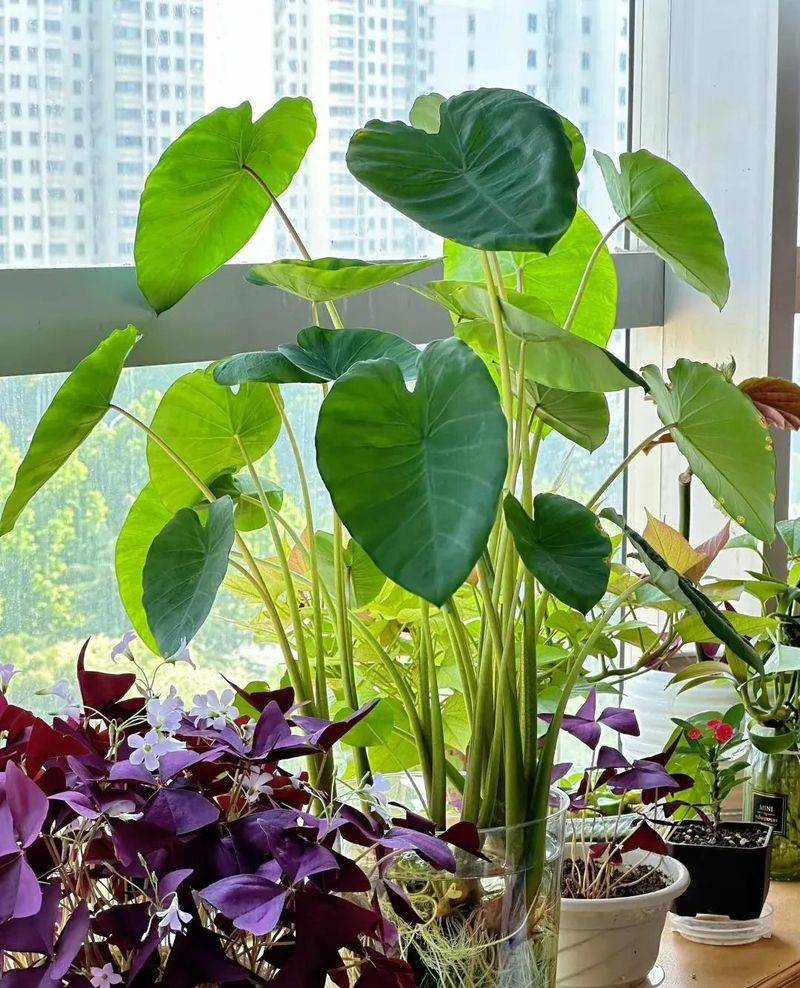
I mean, can't it look better than a tree, a tree of happiness or something
Lettuce
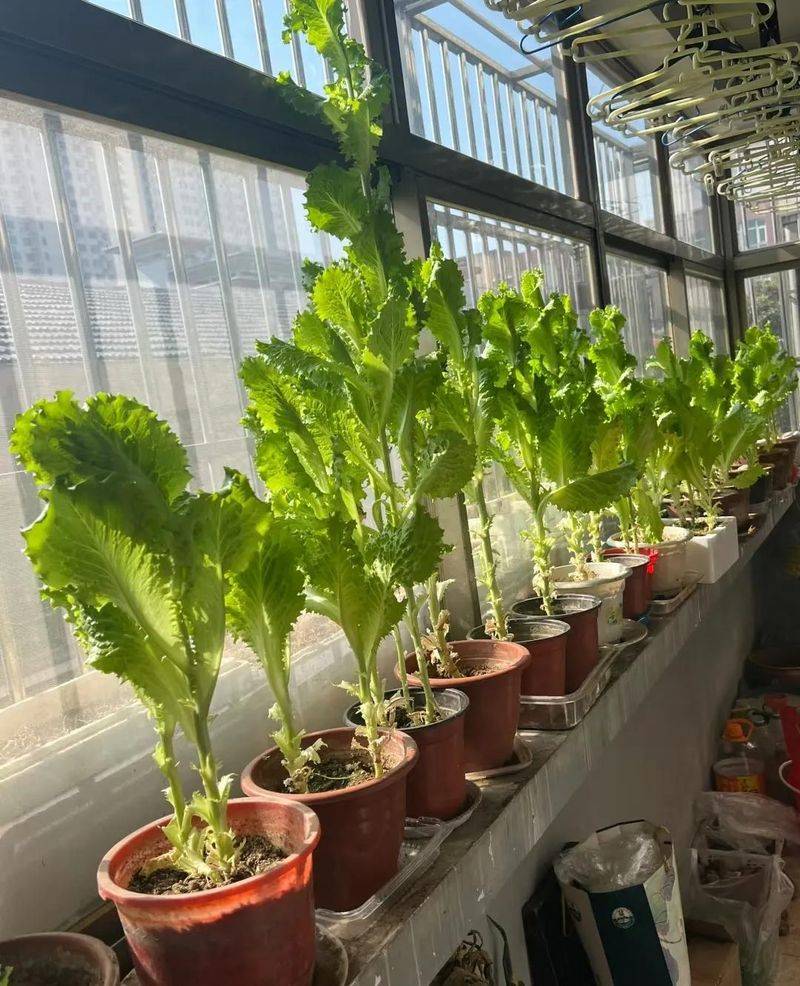
Friends who like to eat lettuce can also grow some lettuce, whose harvest cycle is very short, from seed to harvest, for a maximum of one month。
Cherry carrots
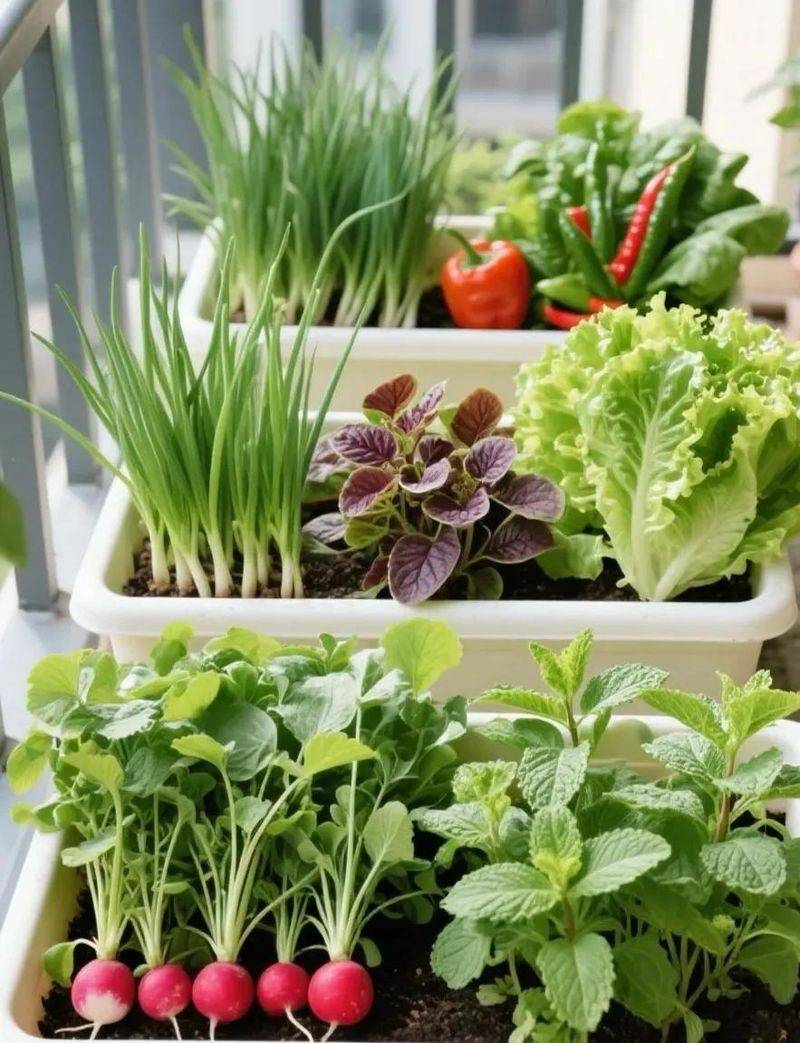
Cherry carrots are especially suitable for planting with a flower pot, although they are small, but they have a good taste for fruit carrots。
Fruit cucumbers
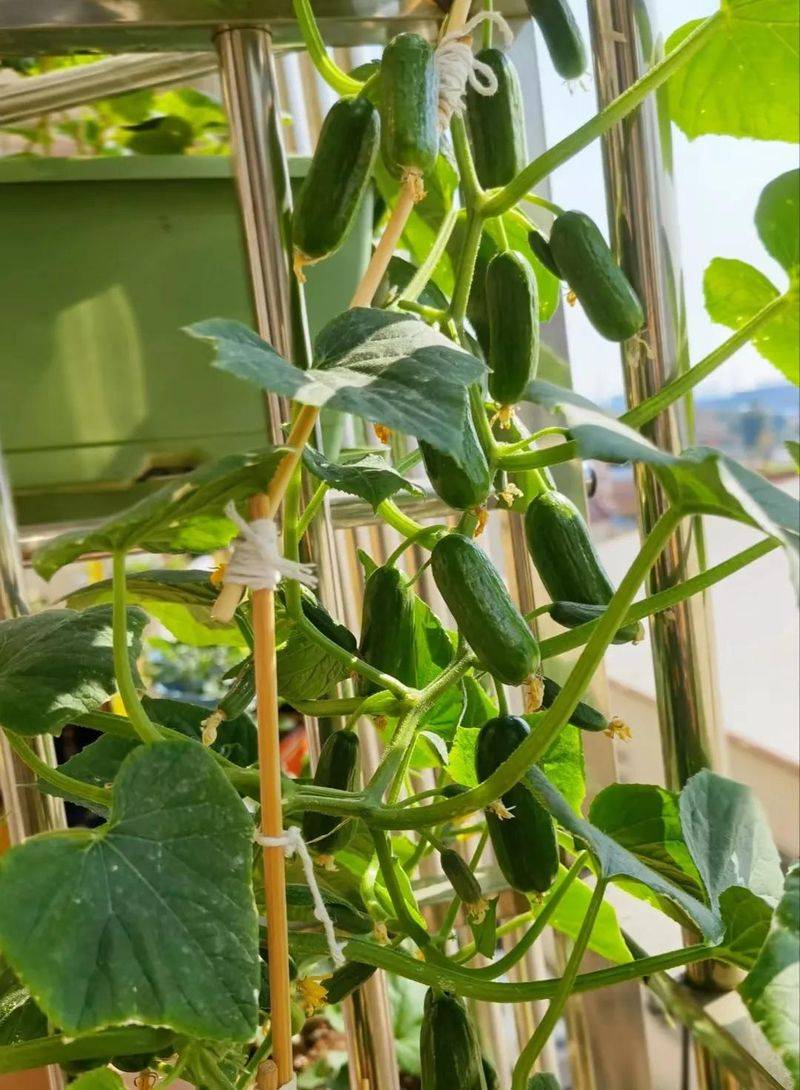
7. Murph
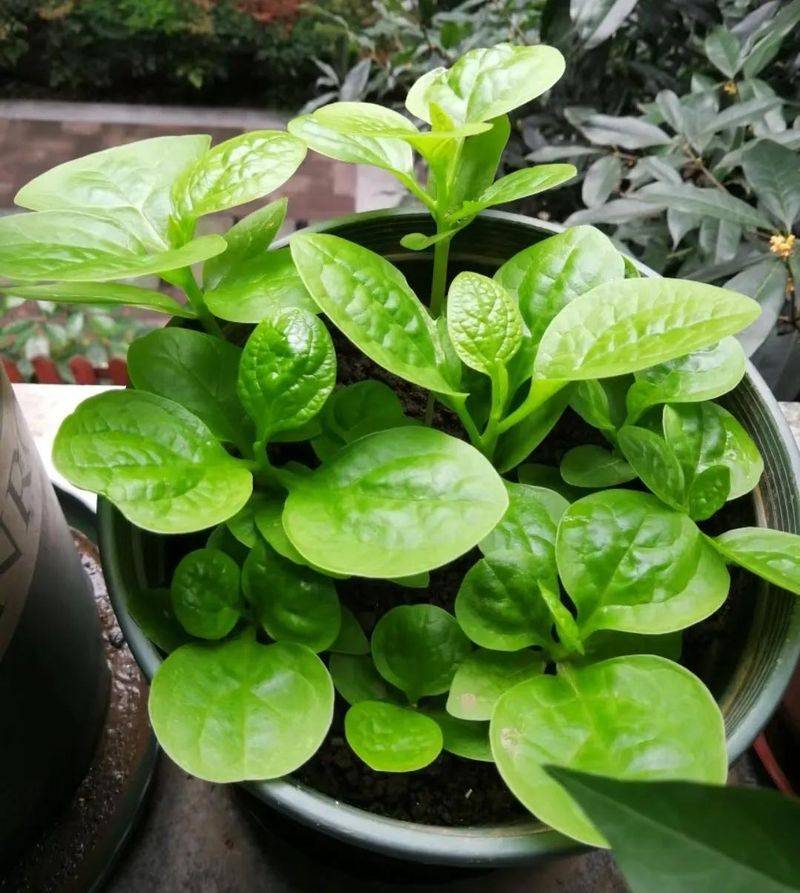
The mussels are smooth and have high nutritional value, although some do not like them。
8. Peas seedlings
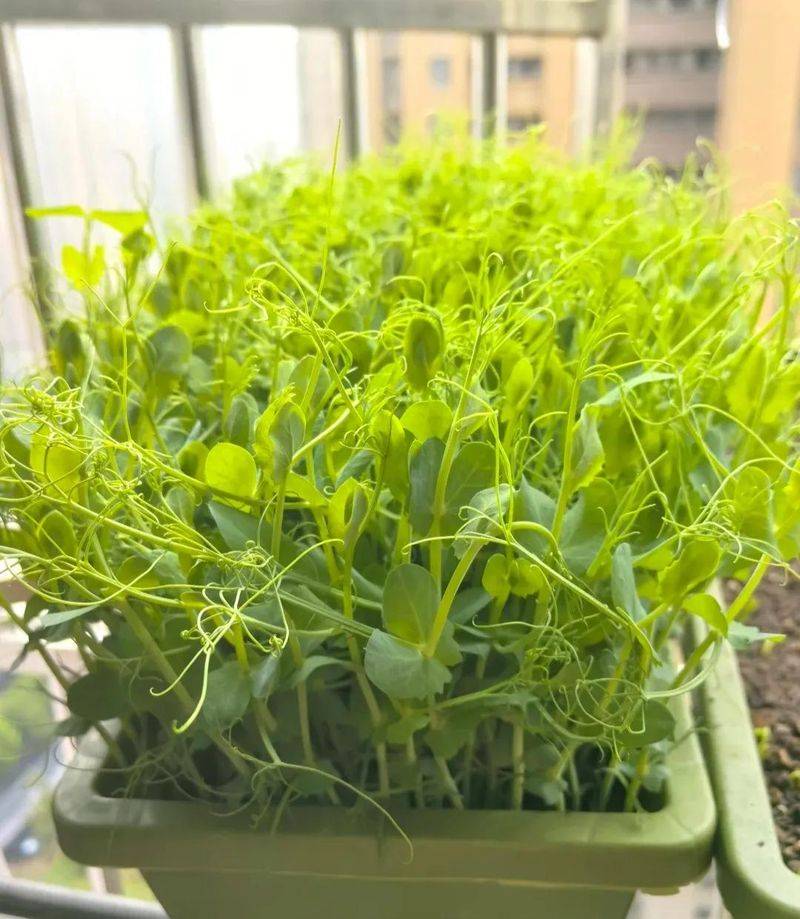
Sweet pea seedlings are good. They're good。
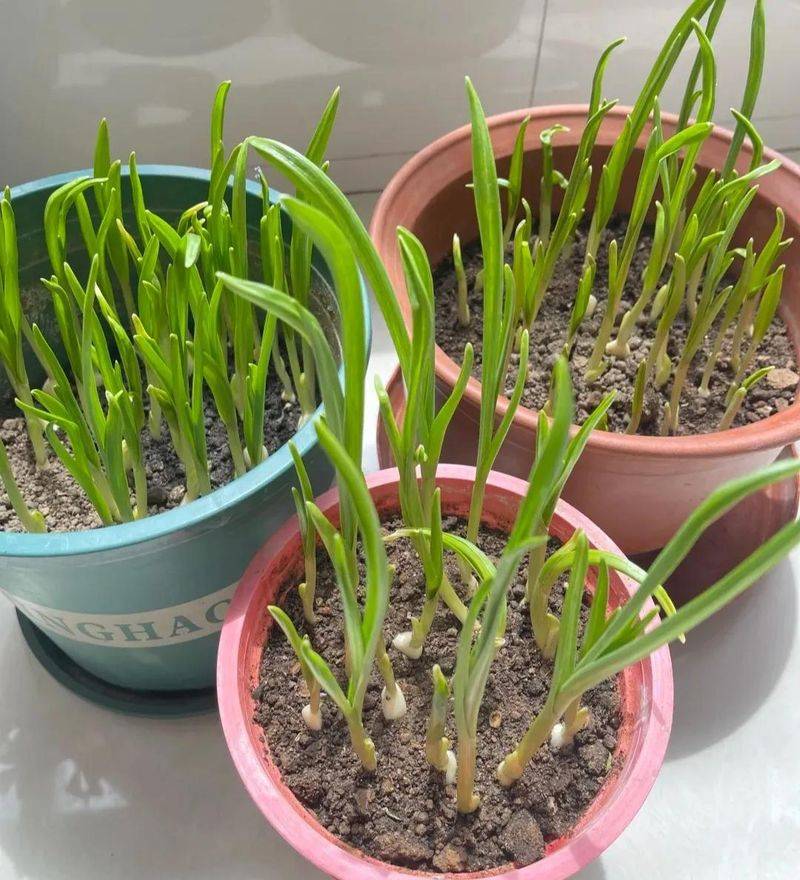
9. Four seasons of onion
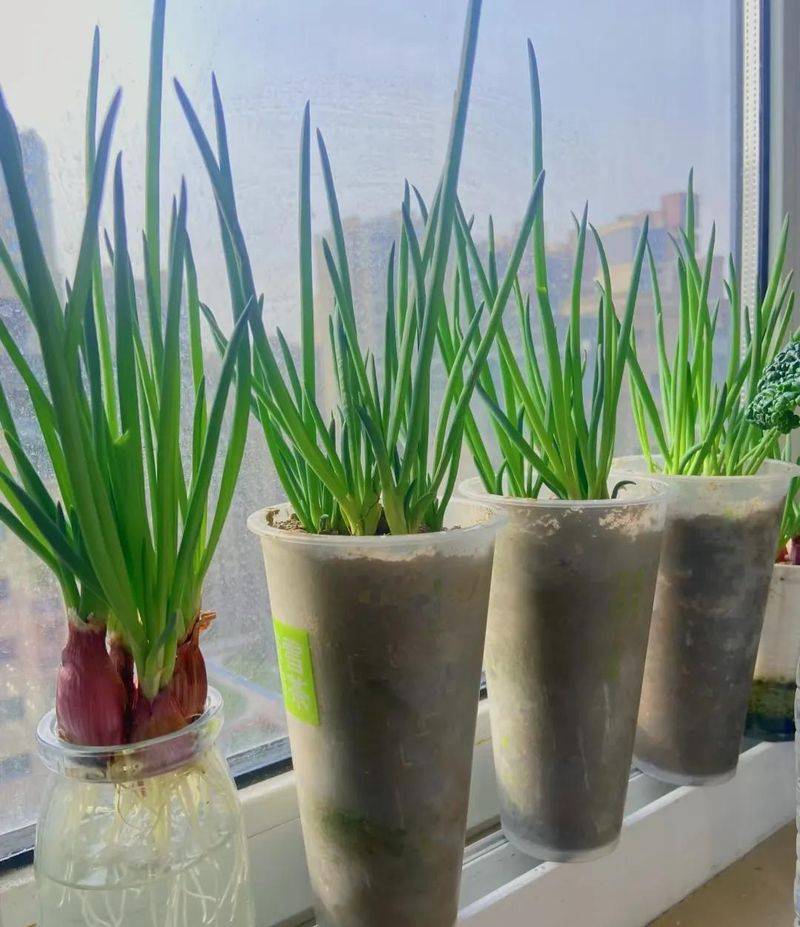
Onions are essential to the kitchen, and if they don't get to the market, they're on the balcony and they can be picked。
10. Green vegetables
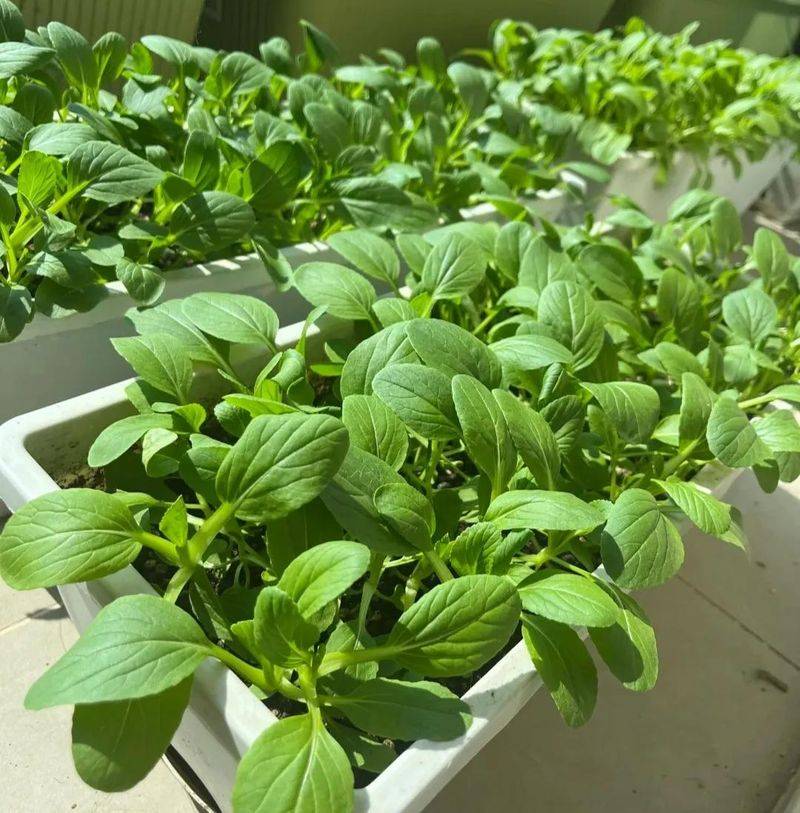
As in the case of lettuce, the planting cycle is short, and can be collected in less than a month, and there is something else to grow after eating。
Rin and cabbage
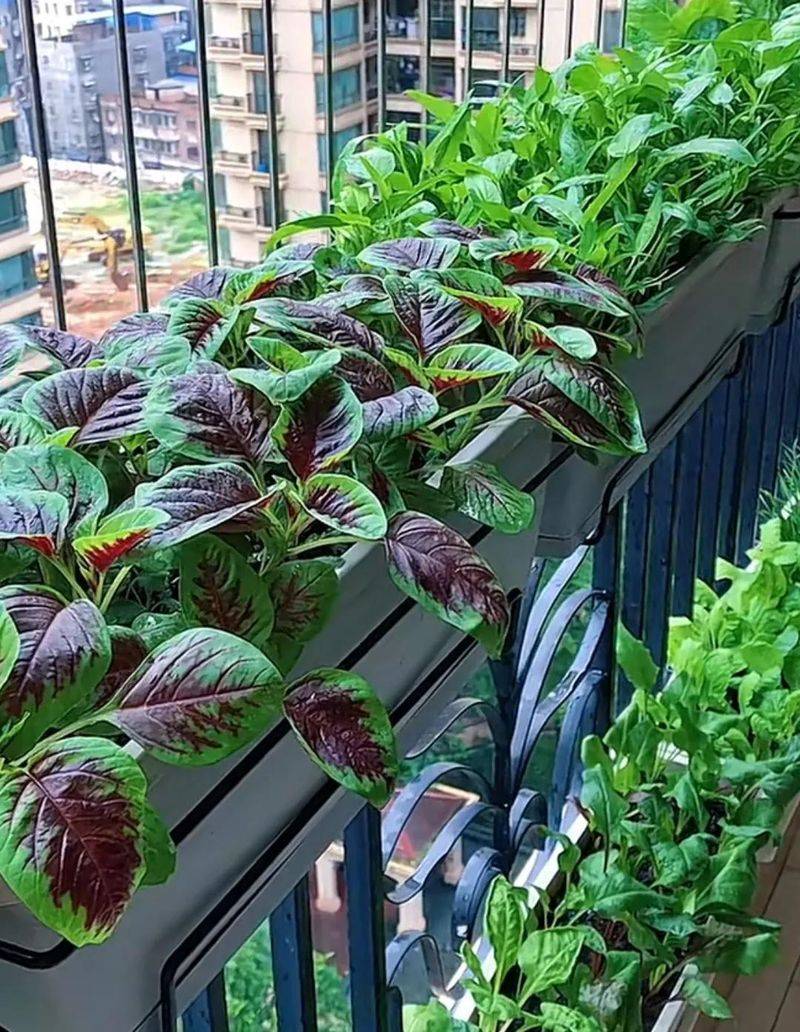
Summer is the season of red cabbage and empty cabbage, with a special taste of garlic。
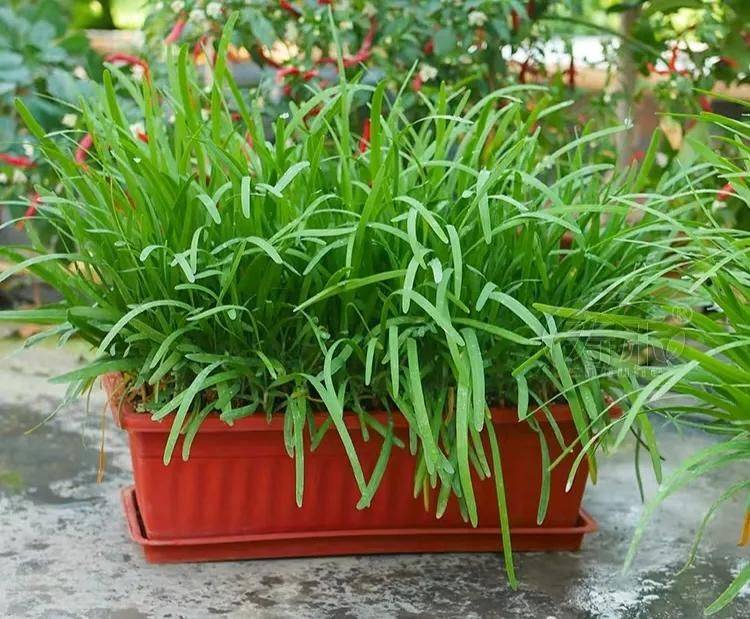
12. Salmon
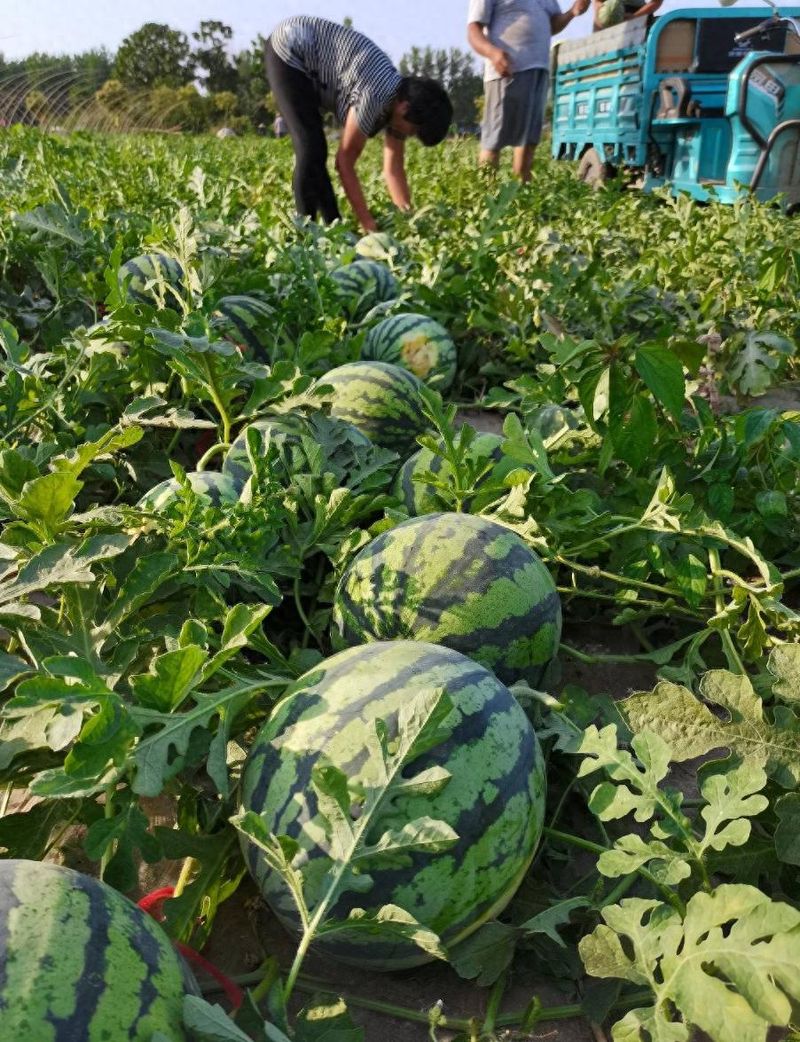
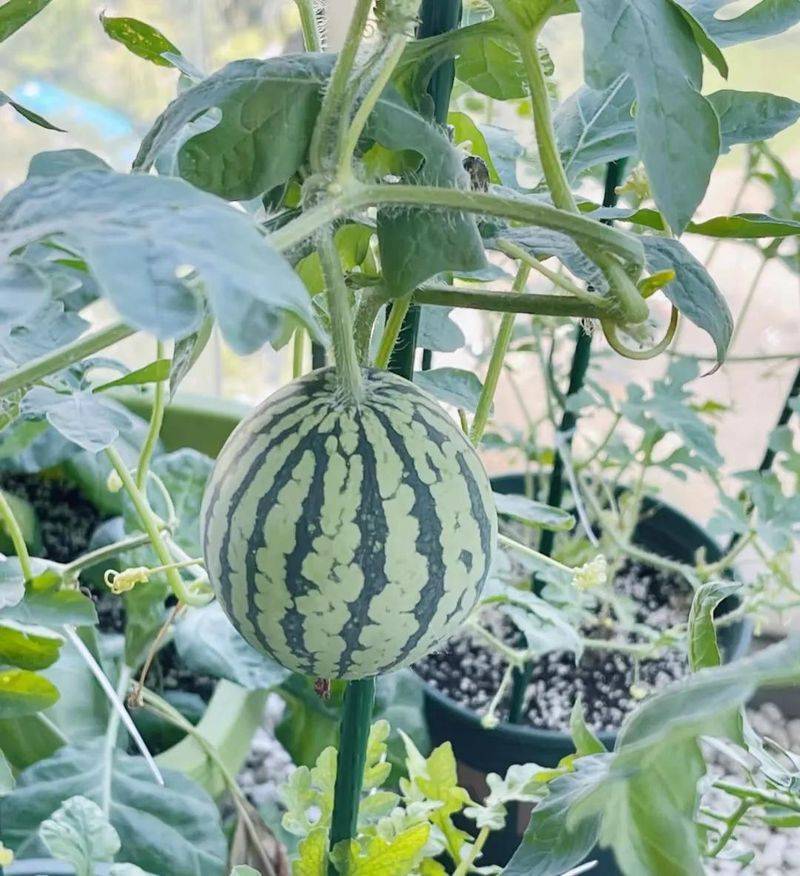
13. Watermelon
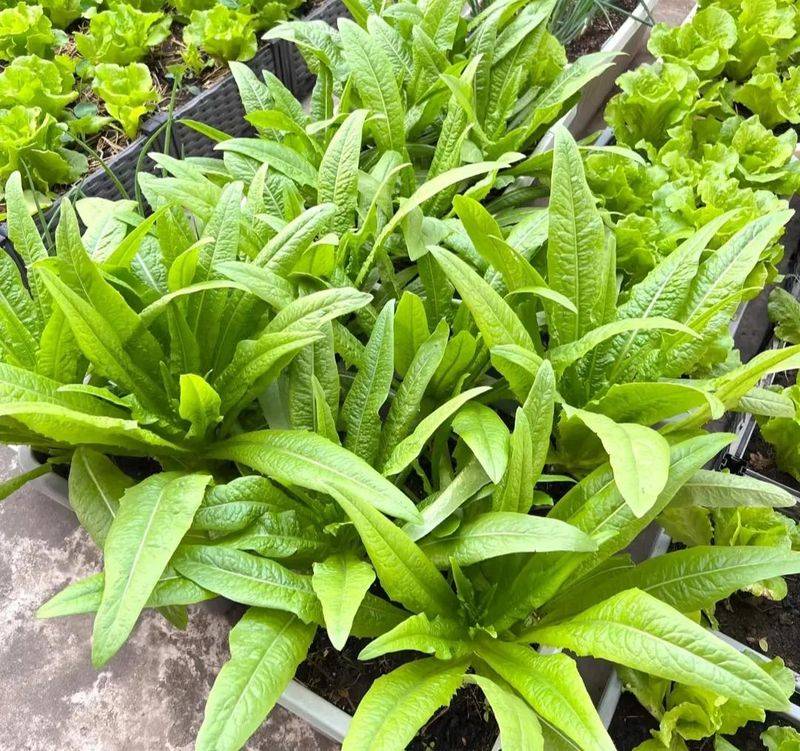
14. 莴笋
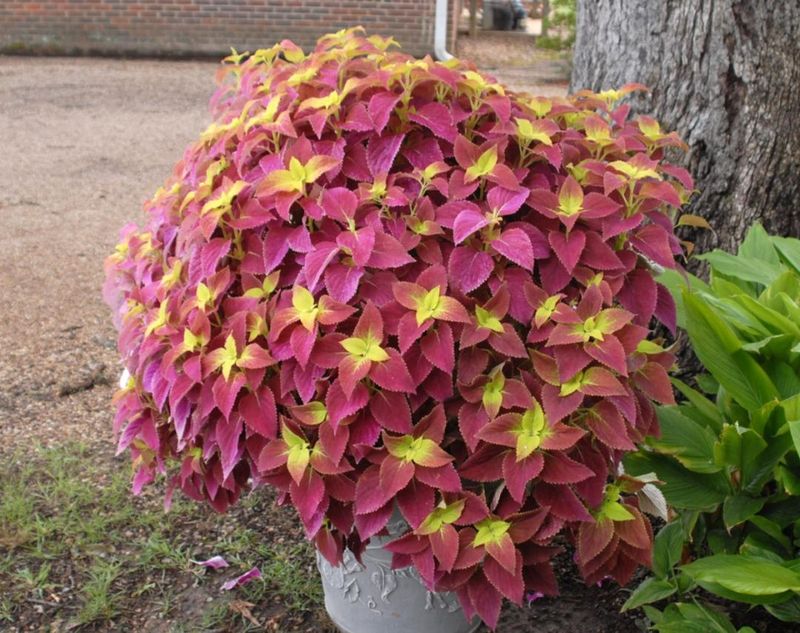
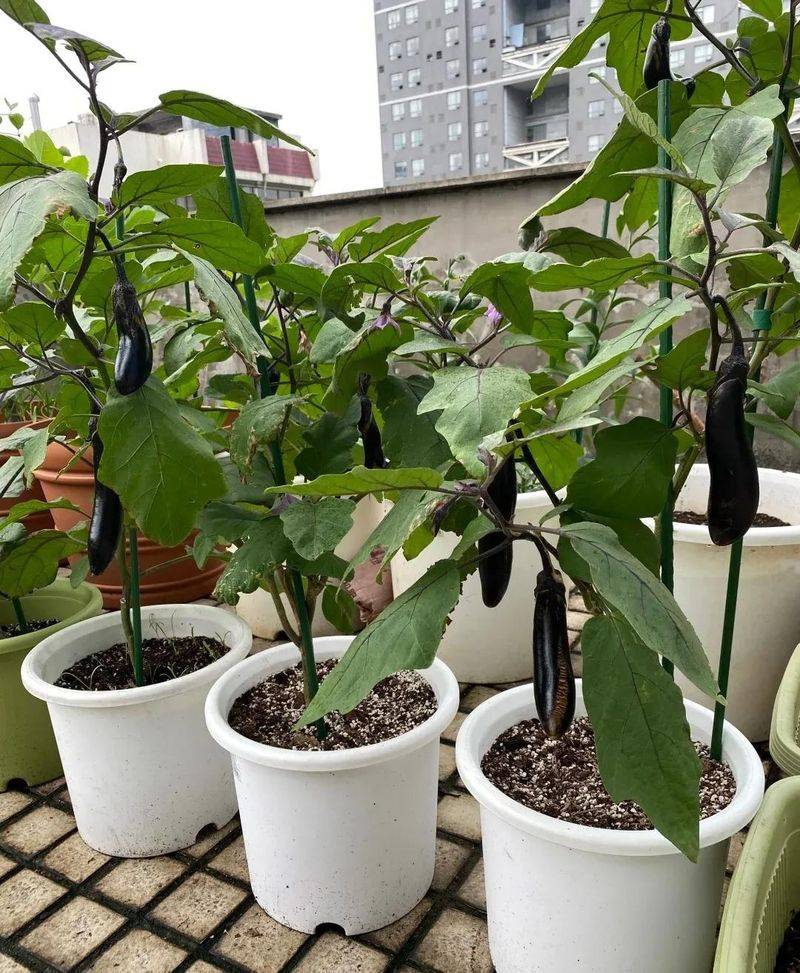
15. Purple

16. Cheese
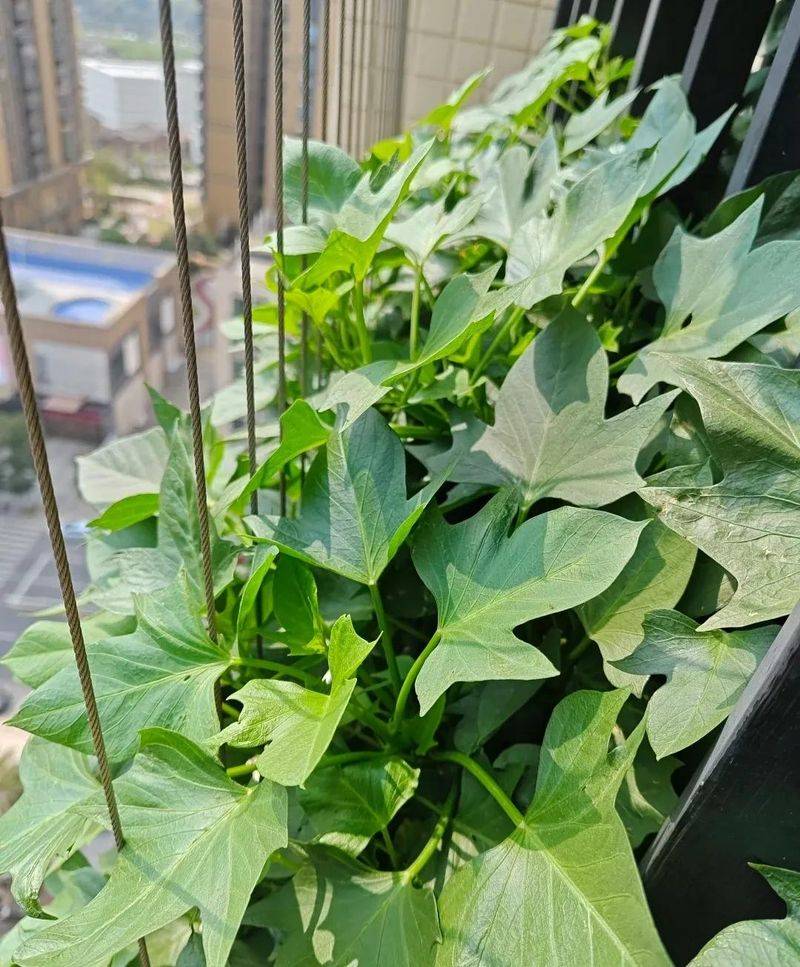
17. Potato leaves
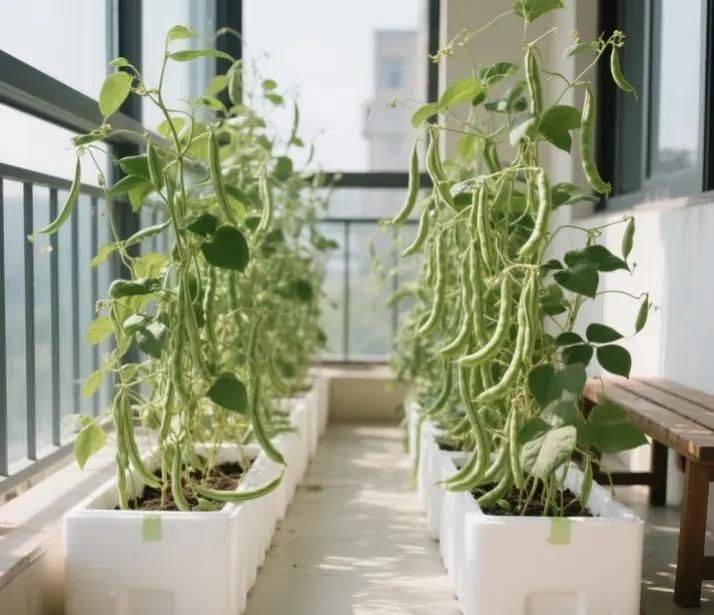
18. Four season beans
19. Celery
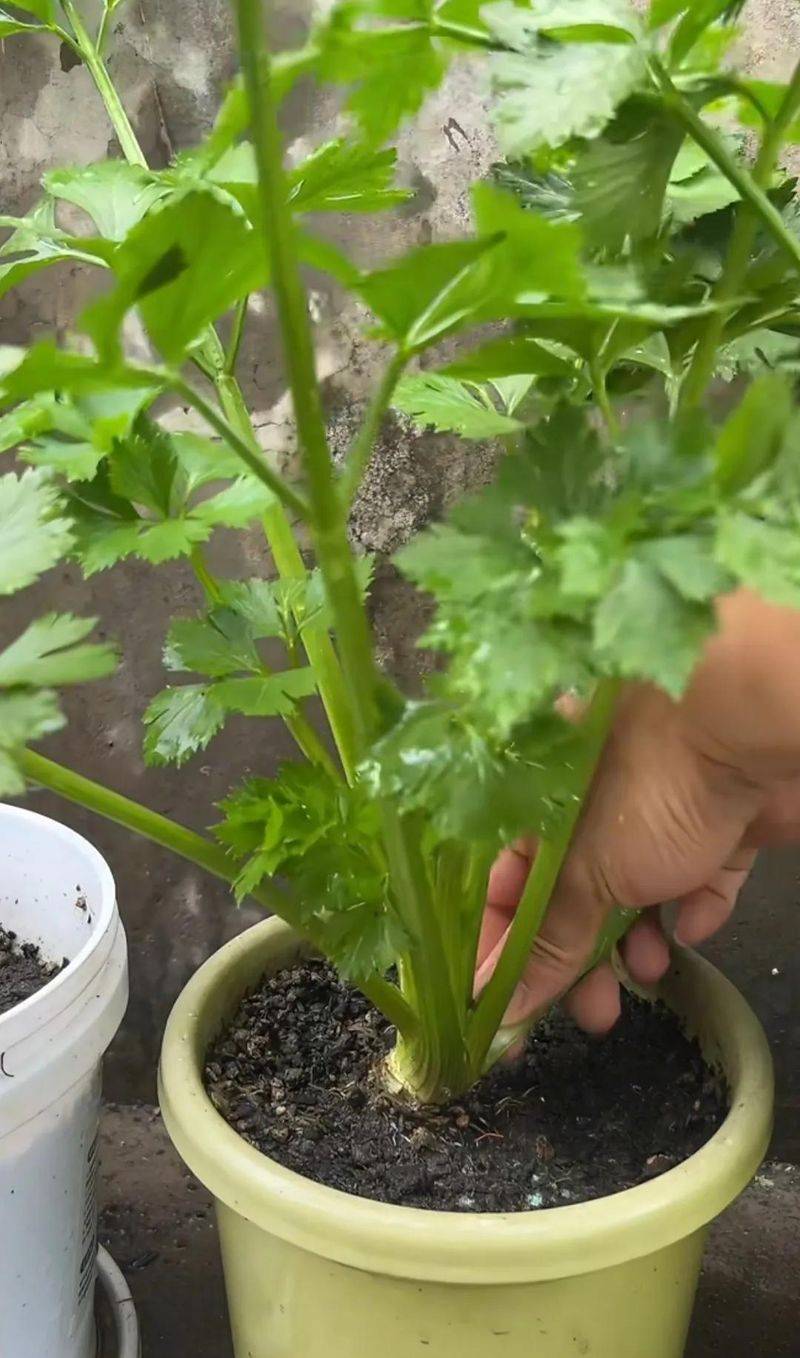
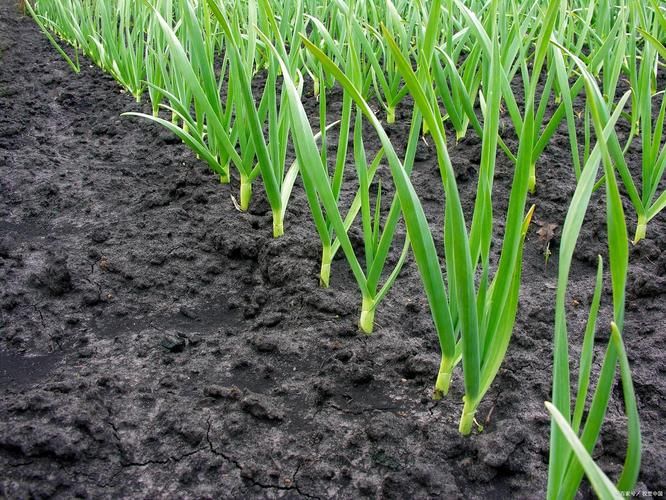
20. Garlic