The country's renowned rice expert, mr. Xu yijun, known as the father of rice in the coldlands of china, is from the northern town of liaoning province. He spent his whole life researching and promoting cold-water rice cultivation techniques, which enabled the heilong river culinary area to break the ever-present structure of the wheat soybeans plant, transform the rice crop using more than 10 million acres of low-lying and low-yielding fields in the north, plant the average acre production of more than 1,000 pounds, and achieve a strategic restructuring of the crop structure. At present, gross rice production has reached more than 50 per cent of total food production in the reclaimed areas, putting the country's commodity grain base on a high-yielding and efficient track, with the northern desert truly turning into a northern warehouse。
At present, his scientific research has been successfully widely disseminated in heilong river, jilin, liaoning, ningxia, hebei, inner mongolia, xinjiang, etc., and has translated into enormous productivity, becoming the gold key to the enrichment of large numbers of farmers and the development of food production。
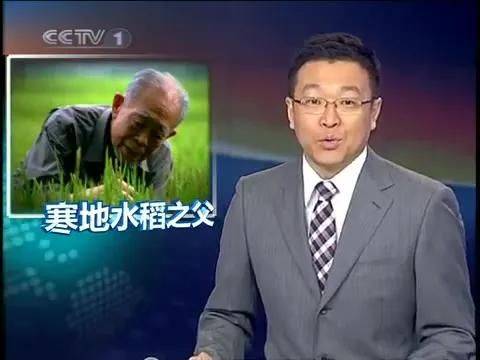
The fruits of scientific research had turned into enormous productivity, and in return the parties and people had honoured him with great honour. In recent years, mr. Xu yijun has been awarded the national 51st labour medal, a leading agricultural science and technology worker in the country, a leading labour model in heilongjiang province and a leading labour model in the general directorate of farming and reclamation in heilongjiang province, and has been appointed honorary chairman of the northern rice science and technology association of our country, with special state council allowance for life. Mr. Tsui yijun devoted his life to the rice cultivation in the coldlands of the north of the country and was classified by the chinese ministry of information as a prominent national propaganda figure. He was hailed by the central television as “south yuan zhui”, i. E. Yuan yongpingbei in the south, and the “father of rice in the great north” by a large crowd of people。
Mr. Tsui yijun, rice expert (1924-2014)
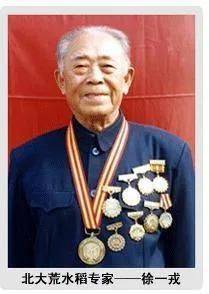
Mr. Tsui yijun graduated in 1943 from the faculty of agronomy of the university of phuntian, followed by one year of further studies at the faculty of agronomy of the northeast university, in 1947. From 1949 to 1954, he worked in the planning department of the ministry of agriculture of the northeast people's government. Following the abolition of the north-east people's government in 1954, he served as director and deputy director of the agricultural technician's technical unit at the liangjiang farm. When it was turned against the right in 1997, it was criticized and fought, dismissed and classified as the right. The old man doesn't understand, leave him. He was “repatriated” to the “rehabilitation of labour” in north town, liaoning province, in 1969。
Mr. Tsui yijun considered rice research to be his life, his commitment to the cause for which he had dedicated his life and, in the face of adversity, he asked the government to go to places where there was rice for work, so he did not choose to go back to his home town, but to the remotest and most difficult place in the northern town, but the one-uk commune with rice. It is difficult to transport, it's all sand-free dirt roads, it's impossible to get out of the car with a little rain, it's harder to get out of the car in the spring and it won't last half a year. The land is low and vulnerable to flooding, and there is no water to irrigate, and most of the dry fields are growing well in the spring and summer and are thrown away by a heavy rain. In 1969, for example, a heavy rain struck the countryside, resulting in more than 30,000 acres of food and less than 300 pounds of grain. The house where the members lived was almost full of mud and wall and grass. Individual hardship families, drawings and walls... In the face of this difficult situation, mr. Xu yijun has not wavered. As a result, one of the production teams was placed in the fusion brigade. This production unit is worth only 35 cents per day, up to 50 cents per day, sometimes earning only one stamp per day. He was alone, where he lived in a low hut, sleeping on earth and cooking with a bar, for more than three years。
As soon as he arrived, he was led to the paddy fields where the crew was falling, and he picked up a paddy that he had left in the paddy fields, saying, “rural reclamation 21”. A few more paddy sprouts were picked and looked at and said that the rice was only 500 pounds, and the team leaders were surprised, “you're a god”. The news spread, "the new decentralised cadre, standing in the ground, knows what kind of rice we're growing. God knows how much food we're growing." the members of the club have been compromised by his knowledge. He was later recruited by the brigade as a compulsory rice technician. During his exercise, he regularly participates in the work of production teams with members of the community, who are taught, without reservation, the techniques of rice production and cultivation throughout the process, from the selection of varieties, seedlings, field management, embroidery, management of water fertilizers and pest control. He is not tired of, and does not hesitate, inviting him to speak about, rice production techniques whenever the county communal agricultural technical training classes or on-site meetings are held on rice production. In the absence of equipment, the rice production pilot study was still being carried out, and various varieties were experimenting with local productivity comparisons. Unfortunately, what had happened to him was that some unwitting members of the community cut rice, cut his field, blinded him by years of hard work, caused him to shoot his thighs and sleep poorly for days。
At the end of 1997, he returned to work in heilongjiang province with the implementation of the cadre policy. Vice-president, senior agronomist, general agronomist, deputy director of the academic council and vice-president of the rice research council of heilongjiang province. Since 1997, he has been a permanent non-retired researcher of the academy of agricultural reclamation sciences of heilongjiang province。
Mr. Tsui yijun's life can also be described in eight words as “dive and die” and he should retire in 1984 by age, but he will not rest. Many of his achievements have been made in the 30 years since his retirement。
↓ (figure ii) the theme of the "face of cold rice" was broadcast on the central tv channel focus interview
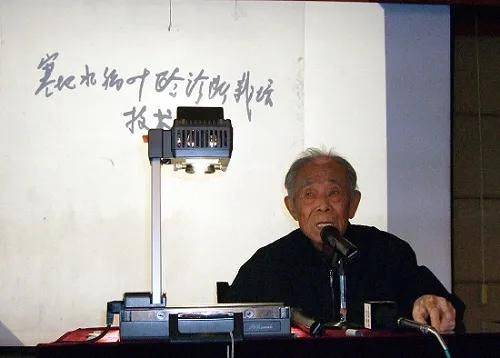
He is giving lectures after retirement。
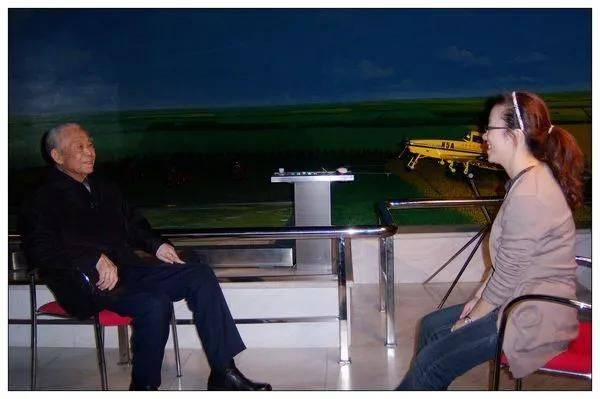
Ziqi (figure iv) was interviewed on the news channel。
This is not the case。
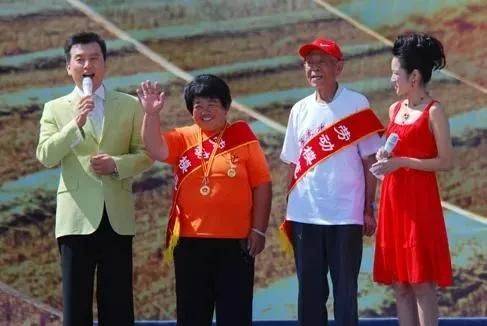
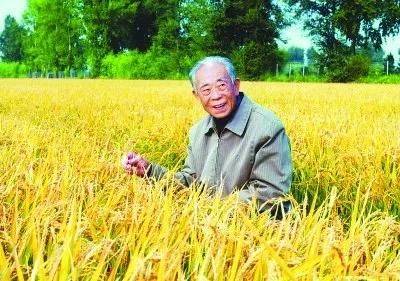
Suh is in the field
Mr. Tsui yijun's home-town friends, the farmers' friends of mr. Tsui yijun's camping area, friends of mr. Xu yijun, friends who love agricultural science, friends who admire the example of a hero, can be searched in the headline, where the article on mr. Tsui iijong's story is “continuous”, in a different way, depicting the great life of mr. Xu yijun from a different angle, and describing his great contribution to the rice cultivation enterprise in the north。