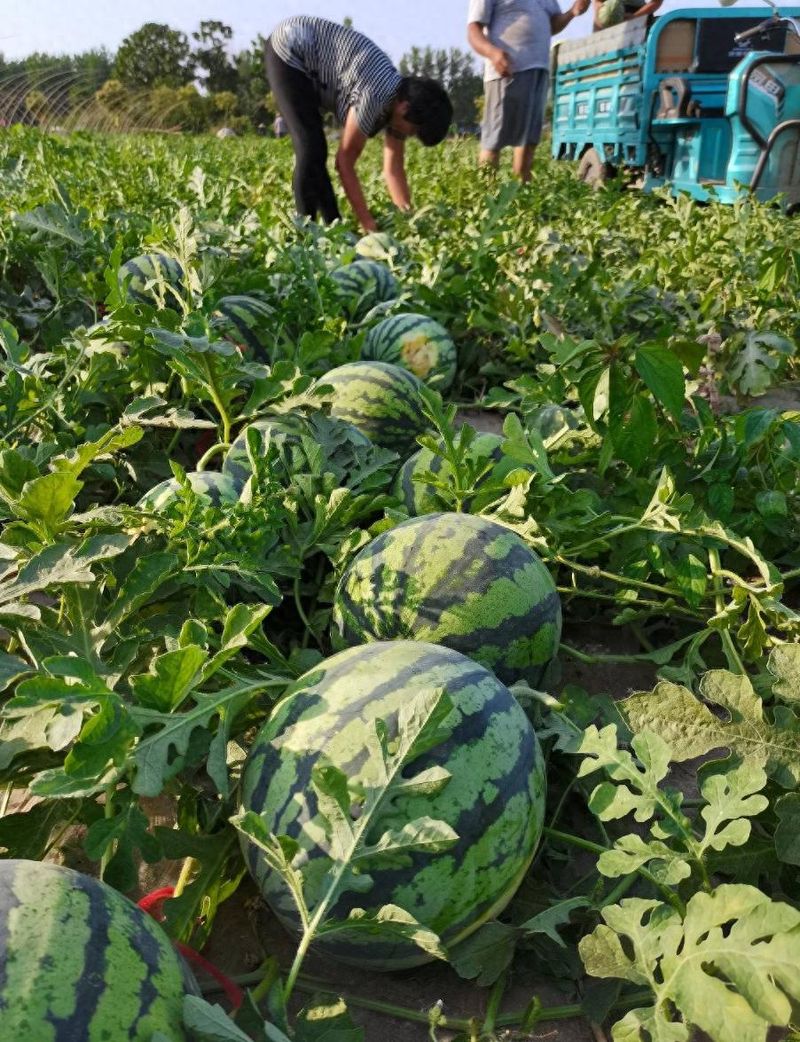
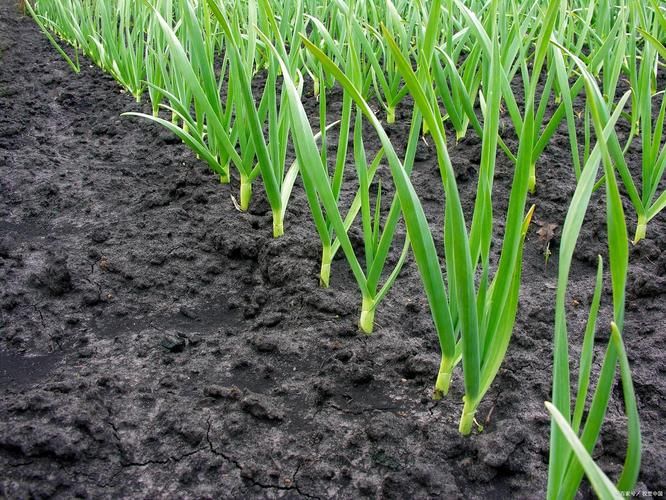
While it is now in the spring, warm air activity is high. Recent changes in weather, large changes in temperature and a strong spring season for vegetable growth in the sheds are critical periods for high yields, and management should take note of the following. How to manage the vegetables in the spring
1. Light management
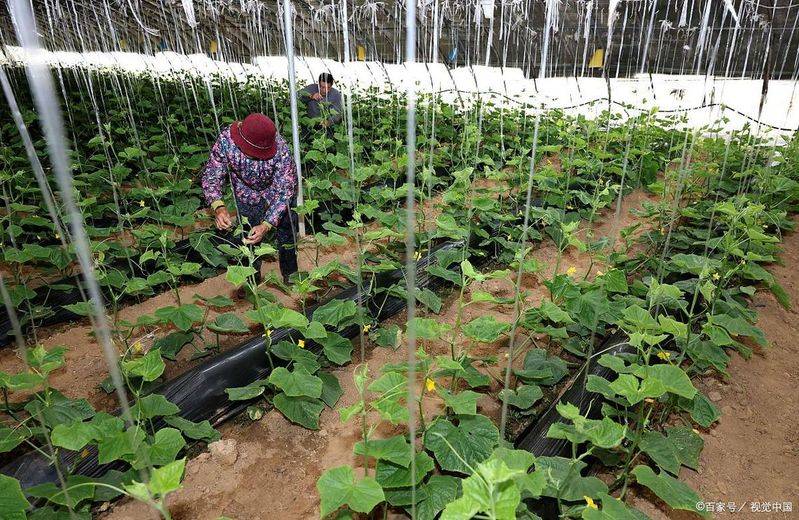
“all things grow by the sun”, the good and bad of light conditions directly affect the strength of the plant, with heavy rainfall and low-temperature and weak light in the spring, and often insufficient daylight hours and light intensity. The focus of the management is on “lighting, lighting” and the promotion of light co-operation in vegetable plantations. The first is the selection of non-diplomatic membranes, which have a good perforation rate; the second is the frequent cleaning of the membranes and the constant maintenance of higher permafrost permafrost; the third is the introduction of early defiling and night caps, while the temperature is better, and the temperature in the shed is not reduced, to increase the accumulation of luminous products by early light and light on vegetable plantations; the fourth is the installation of a mirror inside the north wall of the shed, the length of the mirror and the length of the room, etc., and a 30-cent radius below the height; and the fifth is the installation of light lights in the shed, increasing light, improving the quality of the vegetable seedlings, and the current promotion of a “small sun” plant, which can be filled with fungible and light, which is very effective。
2. Temperature management
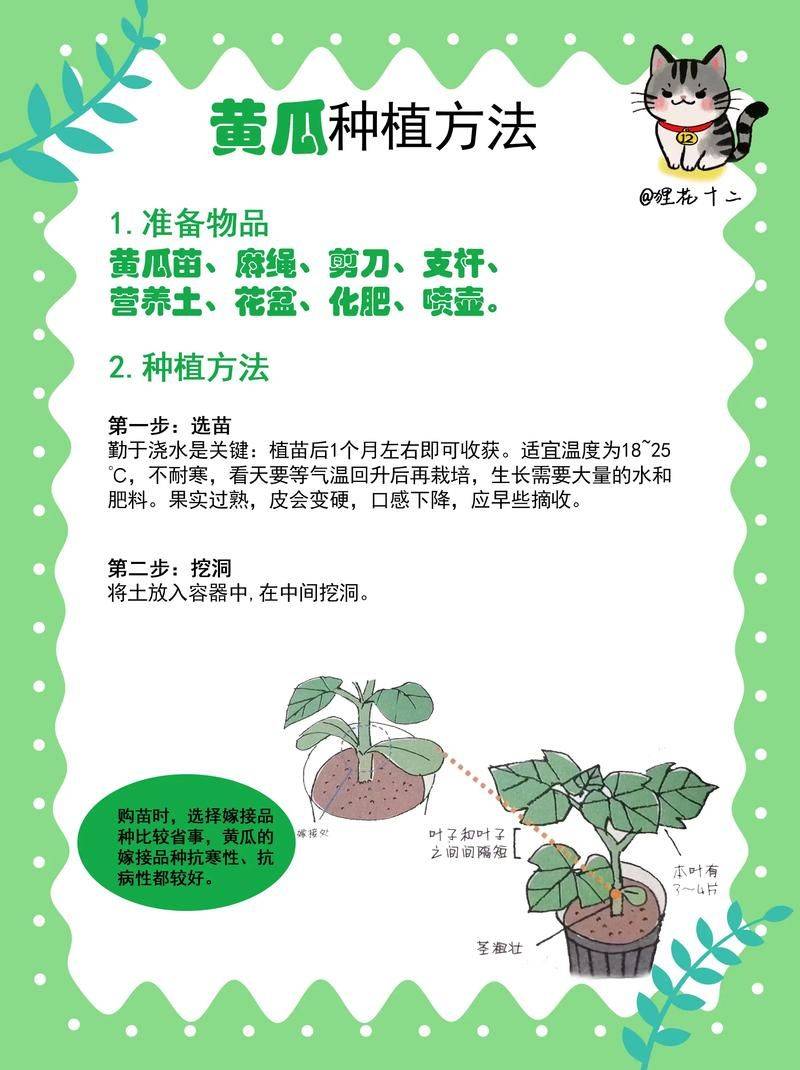
Vegetables in the spring sheds are mainly managed by temperature, and most of the vegetable species grown in the sheds are at 25-30°c during the day and 13-18°c during the night. The focus of temperature management is on “temperature conservation and temperature control”, that is to say, keeping the temperature in the night shed and controlling the temperature in the day shed. In normal weather, management should be based on the premise that no more than 2°c drops in the temperature of the sheds behind the roofs should take place early; after 10 a. M., when the temperature in the sheds reaches 28°c, ventilation should begin and the vents should not be too large; at 12 noon-14:00, when the temperature of the sheds is above 32°c, the vents should be pumped and the vents should be vented; after 3 p. M., when the temperature in the sheds reaches 22-24°c, the vents should be closed in time; and when the temperature in the sheds reaches 20°c, the sheds must be covered and warmed in time. In case of bad weather such as cooling, snowing, winding, etc., it is necessary to cover the cold-proofing membranes, strengthen the skeletons of the sheds and clean up the snow of the sheds in a timely manner, such as during low-temperature periods, so that the membranes can be covered in the sheds so as to increase temperature protection and humidity; to repair the broken holes in the sheds in a timely manner by using plastic membranes as aprons under the sheds to combat cold-wind intrusions and heat spills; and to avoid the effects of the cold-skinned diseases by adding some straw curtains or sunnets on the sheds, etc. I don't know.