Interviews with civil servants are conducted in both directions through face-to-face observation and conversation between the examiner and the examiner to understand the quality and competency characteristics of the candidate. Candidates can also be understood as an activity in which “berle” has direct contact with candidates. The interview gives the examiner an intuitive impression, which has an important impact on the final success of the interview. Candidates must be well prepared in order to be comfortable and responsive and to achieve good results at the examination。
I. Knowledge reserve
There is a saying that “true women have no access to rice” and that the life experience, accumulation of knowledge, level of education, hobbies and so on are closely linked to the success of interviews. Many candidates felt that the greatest difficulty in answering the interview was the lack of thought, which, together with the tension, was nothing to say, or the rhetoric was not satisfactory, and i suggested that the candidates prepare in two ways:
(i) long-term preparedness。
“guided everywhere”, candidates are expected to have a caring person who will read, collect and accumulate materials widely. It is necessary not only to master the humanities, current affairs and politics of ancient times, but also to strengthen its own spiritual, moral, emotional and so on. It is a long-term, sustained job, which is more suitable for candidates who have just begun their studies。
(ii) short-term allowance。
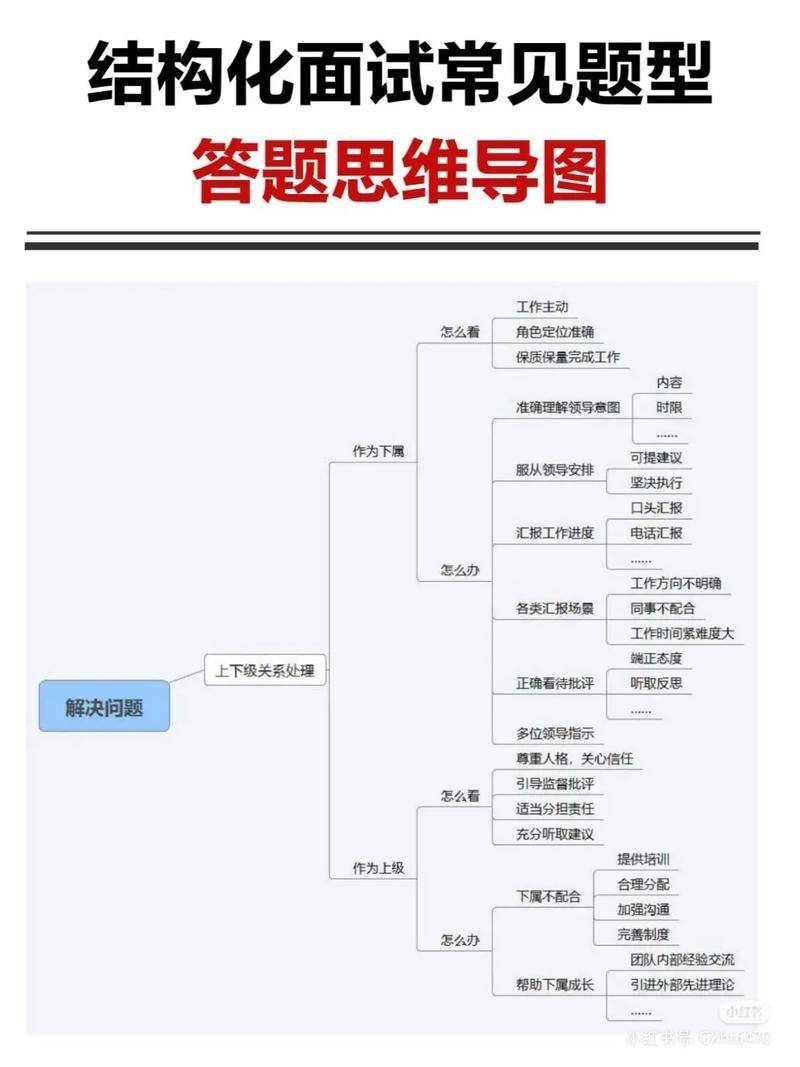
First of all, since the examination time is short, some practical questions from recent years can be sought for practice. In the course of the exercise, you are familiar with the question and answer lines. Second, candidates need to gather as much relevant information as possible in a short period of time, in particular some important recent events at the national and international levels. The information gathered is then collated to the extent that it is well known about such important events as major economic construction, livelihood problems and emergencies that take place today, both inside and outside the country. Finally, memory. Candidates should be given a certain amount of time every day to remember the main points of these events, not only to remember the general context of the events, but also to keep in mind the words, contemporary reviews, etc. In the course of their studies, they should be careful to develop their language skills and ultimately to the extent that these theoretical knowledge can be freely expressed in their own language。
Ii. Guidelines
Interviews require that candidates have stronger entry skills, which require candidates to be able to think fast. Rapid thinking, i. E. Rapid thinking, rapid organization of languages, is in fact a process of rapid creation and outline。
(i) unthinking。
When they see the subject, they can fully develop their thinking skills, reflect on all the factors that are relevant to the subject, and list all the factors that you think of in the subject book, so as to be comprehensive and profound. I suggest that the candidates consider the following: rationality, unreasonableness, subjectivity, objectivity, advantage, disadvantage, etc。
(ii) integration thinking。
After making full use of diffused thinking, candidates can quickly integrate the relevant factors in the list using an integrated thinking approach, recommending that candidates use a combination of the same items in the process of integrating their thinking, so that the various elements can be structured in order to arrive at several points. After a full-scale reflection at the thought-out stage, the candidates can raise to a certain level the outline that has been prepared at the integrated thinking stage, with a clear sense of thinking at the interview examination, and trust that you will give the examiner a good impression。
Iii. Language expression
When candidates have a clear outline in their brain, they have to find a way to articulate these knowledge in a coherent way. In doing so, language skills are important, and candidates need to be as reasonable, as well as well as well-articulated as possible. I suggest that candidates do the following:
First, the sound is bright and focused on the beginning and end. Candidates are best served on the basis of modesty and moderation, that is to say, you have to start with a certain appeal。
Secondly, focus on content and words. Candidates can give examples of things that you know well and can contact themselves. Candidates can think about the big issues, and they can make the issues smaller and closer to their lives. What they need to be aware of is that they try not to talk empty words, to talk short, to try to be serious and not lose sense of humor, and to be profound and reasonable。
Thirdly, emphasis is placed on language expression. The language used by candidates during interviews may be between written and spoken. It is recommended that candidates make appropriate use of metaphors, cross-references, quotations, repetitions, etc. In their presentation, while paying attention to the use of transitional terms, phrases, etc., in order to enhance language rationality and consistency。
Fourthly, attention should be paid to the tone of expression and the use of mandarin. Candidates are absolutely not allowed to communicate with the examiner because of their incorrect pronunciation. In addition, in the process of expression, the attention of the candidates is drawn to the need to prioritize the tone of the frustration and tone。
Iv. Structure
The primary effect is also known as the first effect or the “first impression” effect, which is the impression that occurs when a person first comes into contact with a person or person, and that the impression is formed in the other person's mind and dominates it. Primary effects have a greater impact on people in interpersonal relationships and are particularly important in public service interviews。
In the course of interviews with civil servants, the tester's instrumentation was not subject to a specific subject, but was evaluated by the examiner throughout the interview through observation of the tester's rating, so that the tester was consistent in the conduct of the interview. When a candidate enters the examination, the examiner first sees the tester's tact, and the initial impression of the examiner will more or less influence, or even control, the appraisal of the candidate throughout the interview process. As an experienced examiner has said, a person's ability to be recruited is often at the moment when he or she enters the examination. Although this is an exaggeration, it is clear from this that the candidates ' gestures are important in the interviews, so they need to pay due attention in this regard。
The first is on the instrument. It was suggested that it would be preferable not to wear too many colours in the interview, that women should be dressed in a cold-colored fashion; that a little light make-up should serve both to promote evasiveness and to highlight the euphoria of young people, and, more importantly, that respect for the object of the interview should be too strong and hair should not be too forward-looking; and that a man should wear a proper dress and do his hair in such a way as to achieve the same level of pre-repeatedness, lack of cover and lack of access, and that he should not leave a beard。
Second, in ceremonial terms. Care must be taken to maintain a serious, modest, confident and natural state throughout the examination process; each question must be prepared with the best words before the answer: “enough to think, start to answer”, after which the answer must be “over”. In the course of their conversation with the examiner, the examiner must listen well, be polite, respect each other, do not interrupt or interrupt the speech of others, and listen to others in vain, so as to win the examiner's affection for you. At the end of the interview, the candidates smiled, stood up, thanked and said goodbye before leaving, regardless of the good or bad performance of the examination。
In conclusion, for interviews to be successful, candidates must constantly build and learn from all aspects of their knowledge and generally improve their overall quality. Finally, i wish my interviewer friends success in achieving their aspirations