On july 14th, yang guange-yongzhou reported that recently, he had entered the shigeshi village farm in the town of gang yong county, hunan province, where a number of farming pools were organized in an orderly fashion, and that the water springs of the ichiyama were flowing. Thirty-five percent of the frogs are either lying together or hiding under rocks, and as soon as people come near the pool, the frogs jump into the water and the pool sings a “field song”。
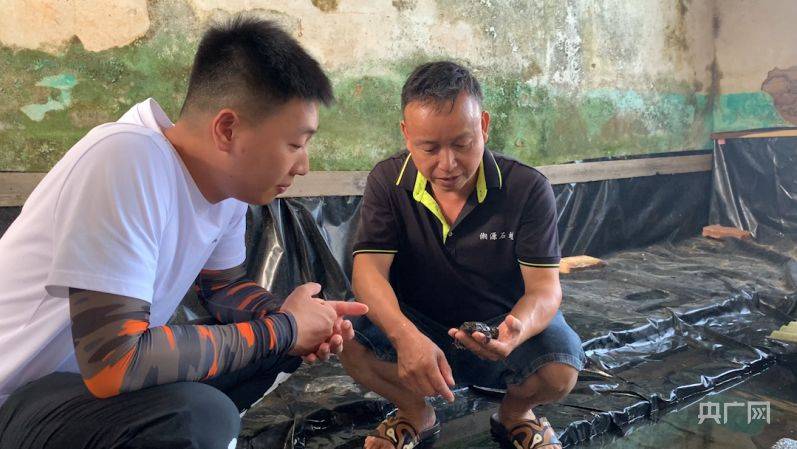
At the stone frog farm, citizens learned about breeding techniques
“the breeding conditions for stone frogs are very harsh, requiring water from mountain springs to be cleaned clean and clean every day, and the water must be sufficient to stop running and pollution so that the stone frogs can survive in a fungible environment.” the farmer zhang myong said that “with government policy support and encouragement, i have set up this ecological farm in the village”
At the age of 40, zhang myong, a “frog energy worker” in the small village of pygashijiang, jiangyong county, who had been engaged in the farming industry since 2016, saw the huge market of eco-rock frogs, studied the techniques of farming and learned that artificial frog farming required a good environment, and that he found his old village well suited to raising stone frogs. His ideas were supported by towns and villages, where he helped to start a business loan, where he provided a business space, and where he eventually rented the village's old auditorium, “setting and camping”, drawing springs from the mountains to open a stone-frog farm, and now his eco-frog farming has begun to bear fruit。
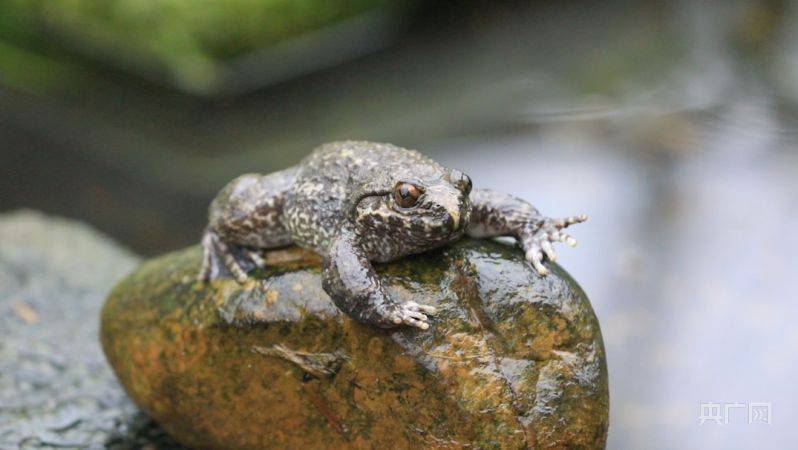
Toad from stone frog farm
Stonefrogs are known as thorny breastfrogs, also known as quartz and pheasant chickens, which are unique to china as large wild frogs. Wild rock frogs live in the mountains of the old forest, preferring to live in sewn stones, demanding near-hot environmental and water quality and making farming difficult。
“the temperature of the water must be kept below 27°c, because it is not easy for a stone frog to survive, and if the temperature is too high in the field, we have to find a way to cool the stone frog.” according to the stone frog breeder, moloons。
Stone frogs enjoy living things such as earthworms, yellow powder worms, etc., and the cost of breeding is higher. Feeding a yellow powdered worm is similar to raising a silk, about 100 pounds of stone frogs per pool, requiring six pounds of yellow powder fed a day. To save costs, zhang monroon purchased yellow powdered eggs online and learned to cultivate yellow powdered eggs。
Stone frogs grow for a longer period than bullfrogs and frogs, which basically take two to three years to be listed. Zhang myong divided the breeding ponds into incubators, frog ponds and frog ponds, and separated the stone frogs according to their size so that they could be sold every year for the return of funds and turnover。
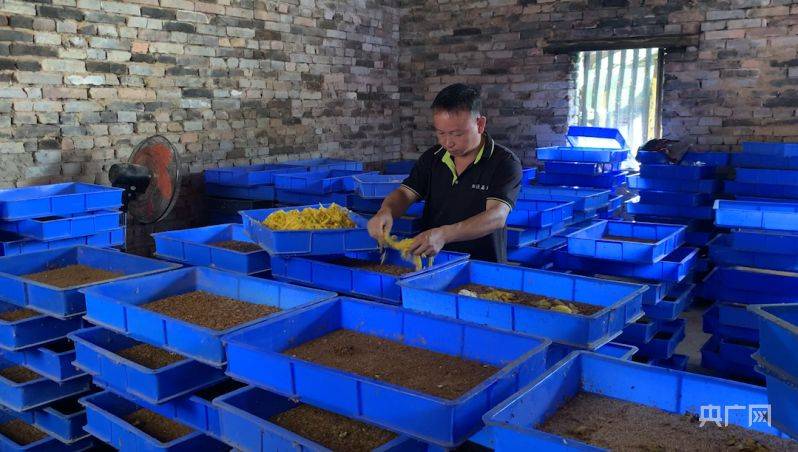
Cultivating yellow powdered worms at a stone frog farm
It is known that the price of artificially farmed stone frogs can currently be between $130 and $140 per pound in the market, and that this year they have sold around 2,000 pounds, approximately $200,000, mainly to hunan, hubei and sichuan。
Through more than seven years of frog-rearing, the technology for the breeding of zhang monroon has now matured, with nearly 100,000 frogs, adult frogs, young frogs and tungstens in the farm. As a next step, zhang myong is ready to pass on the technology of stone frog farming to the communes at no cost, providing them with seedlings, technical and marketing guidance, and leading them together into a large-scale stone frog industry and out of an ecological breeding path to wealth. (adviser reporter lee fongson, intern nice, correspondent zhou wenbin)