Turbo engine operation and application resolution
Turbo engines, the main force of aviation power, now occupy an important place in the aircraft field. Its wide-ranging use of remote vortex-jet engines has led the major aviation powers to devote considerable resources to research and development in order to lead the world in aeronautical power technology。
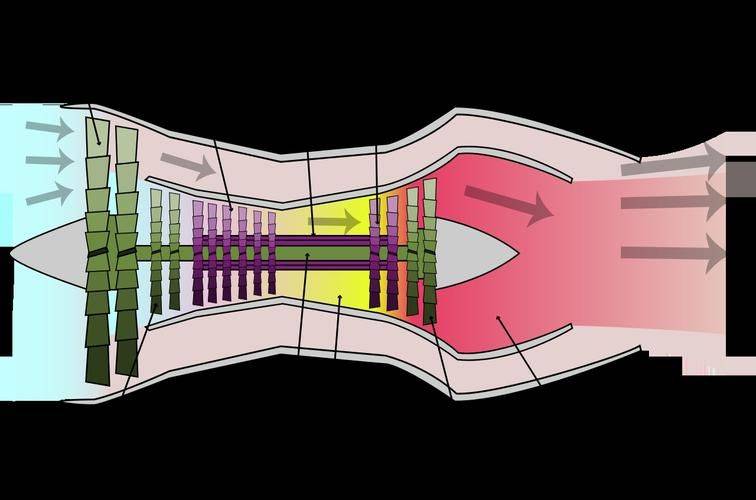
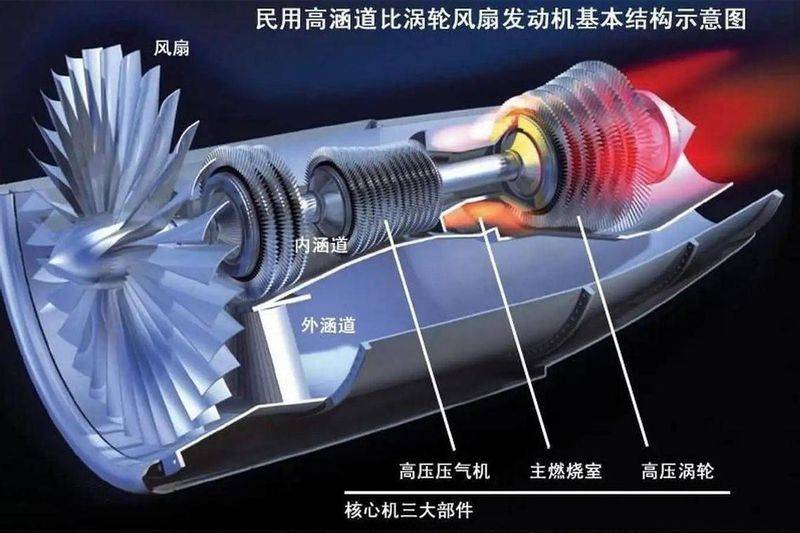
Turbo engines consist of seven core components: "face fan, pressurizer, combustion chamber, directional blades, high-pressure turbine blades and turbines, low-pressure turbine blades and turbines, power burner rooms, tail spray tubes". These components work together within engines to achieve efficient energy conversion。
In working principles, vortex engines inhale air through fans, pressurize the pressurize and enter the combustion chamber, creating high temperature high pressure currents with fuel combustion. After passing through the high-low-pressure turbine, the current is sprayed out of the tail nozzle, generating a push-driven aircraft forward。
In-depth knowledge of the functions of various components of the vortex engine: the fan is responsible for inhaling air and pre-compression; the pressurizer pressurizes the air; the combustion chamber burns air with fuel mixtures; directs the foliage to guide the gas flow to the high pressure turbine at the optimal angle; the high pressure vortex and vortex drive fans and pressors operate; the low pressure vortex blades and vortex drives low pressure pressurizers and wind fans using the current energy; the additional push is reburned in the compulsive combustion chamber。
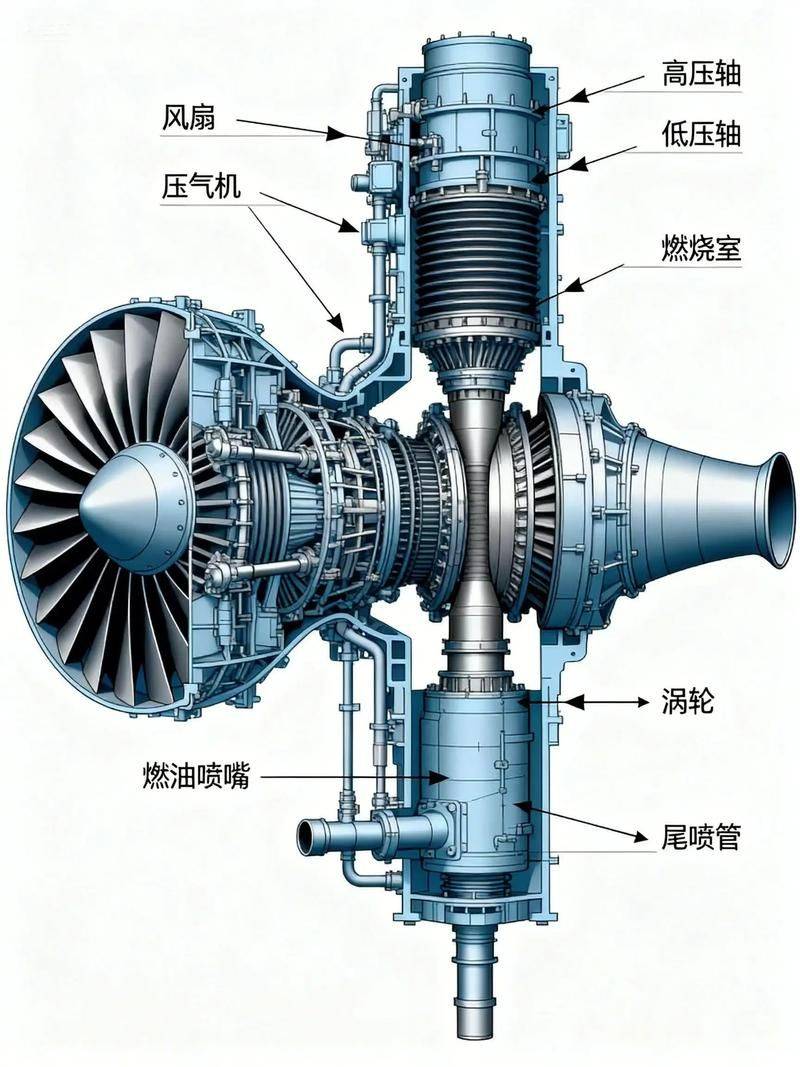
Turbo starters rely on the aircraft's own auxiliary power system (apu), i. E., the small stand-alone gas turbine engine, which is activated by apu power supply, and the oil combustion-driven turbine rotates, driving the compressed air of the pressurizer into the combustion chamber and eventually the turbine engine。
In modern turbine engines, advanced technologies include manufacturing and design technologies. Design techniques emphasize the design of asymmetrical foliages of high- and low-pressure turbines to reduce resonance and increase engine life. Manufacturing technologies have introduced innovative technologies such as vacuum electronic beam welding, monocrystals resistant to high-temperature alloy blades, whole disks, complex materials fans, powder metallurgical turbines, to improve engine performance and efficiency。
In the manufacturing technology, the overall loaf technology simplifys the link between the leaves and the leaves, reduces maintenance difficulties and increases the weighting ratio. Single crystal-resistant high-temperature alloy blades have very high-temperature properties, significantly increasing pre-vortex temperatures and boosting engine thrusts. Composite fan blades of light mass and high intensity are effective in reducing engine weight and increasing the weight ratio, with excellent corrosive and shock resistance。
With technological developments, the vortex engine performance has increased, and advances in material technology have made it possible for single crystal-resistant high-temperature alloy materials to be widely used. At present, the vortex engine has evolved to the fifth generation, with an intergenerational increase in performance and a gradual increase in the temperature-resilient ceiling, bringing about a major breakthrough in the area of aviation power。
In summary, the vortex engine, through its unique design and advanced technology, has achieved efficient energy conversion and thrust output, providing a powerful engine for the modern aviation industry. As science and technology continue to advance, vortex engine performance will be further optimized to provide safer, more efficient and environmentally friendly power solutions for aviation flights。