Those who believe in building well are aware of the problem of earthquake resistance, especially in provinces such as gansu, sichuan and yunnan, where earthquake belts coincide with mountainous areas, with particular emphasis on the issue of earthquake resistance。
In the choice of the structure of the house, these owners will focus on the stability and security of the house。
First building is based on the main structure, which currently consists mainly of light steel structures, frame structures and bricks. The most resilient are frames, actually light steel, and again bricks
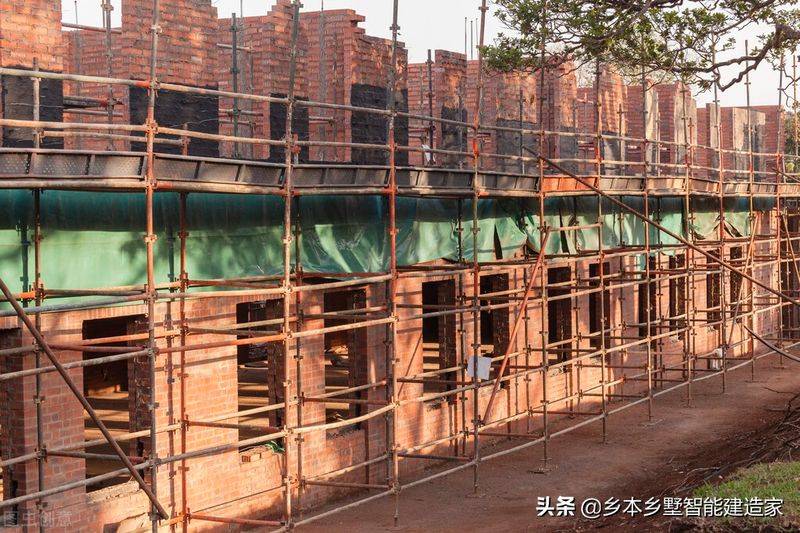
In rural areas, however, self-building is generally the most mixed, as the price of bricks is highest, light steel is used mainly for public construction and similar plants, while framework construction is more expensive, and some malls or railway stations, bus stations, etc. Are more common。
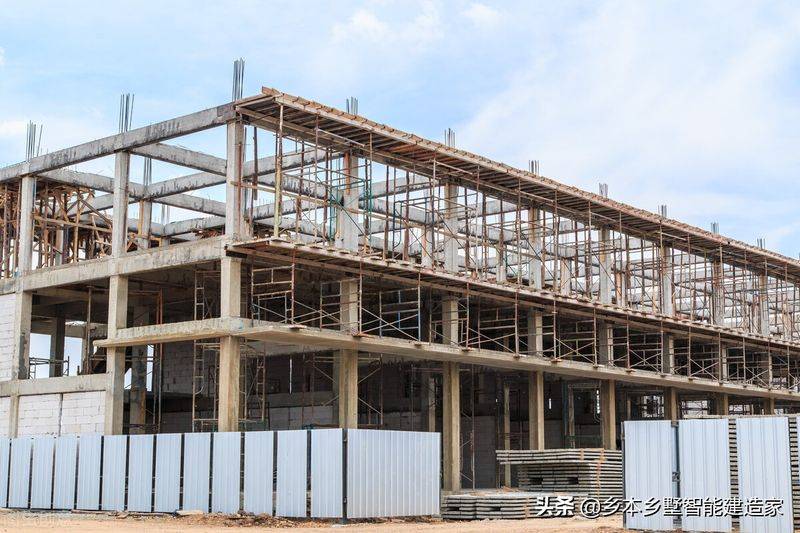
The barometer for self-construction is level 6
Based on the design principle of “minus tremors, removable mid-shocks, unbreakable tremors”. It is stipulated that in areas where the intensity of earthquakes is 6 degrees and above, houses must be designed to withstand earthquakes and ensure the safety of people's lives and property。
Most projects in the countryside are 7 or 8 degrees in strict accordance with the local earthquake-proofness, and there is no increase of a penny in order to reassure the owners
Iii specific earthquake-resistant measures for self-building in rural areas
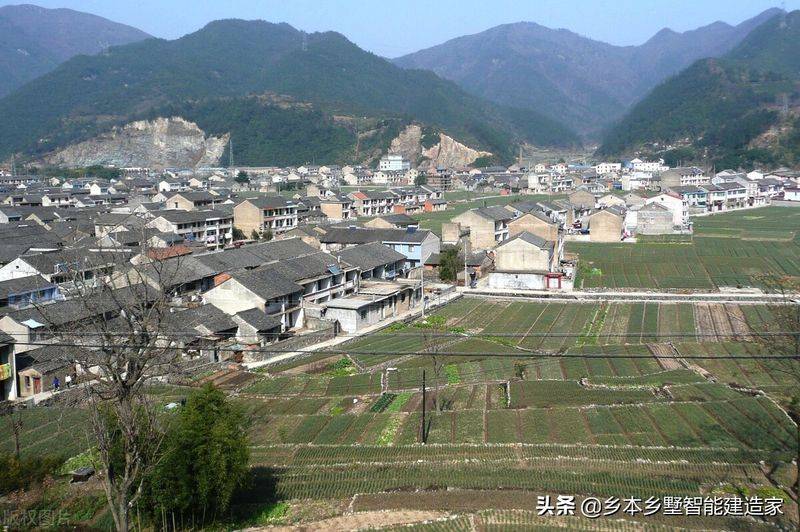
1. Site selection is appropriate:
The first home base should be located on open land, not on weak earth floors, lakes, rivers or unfavourable areas such as ridges, and if it is to be built on these terrains, the base must be rigorously surveyed, the foundations must be constructed and measures must be taken。
Because of the construction of houses on these dangerous areas, the light parts of the wall are broken and the heavy parts collapse。
2. The structure of the house shall be properly designed:
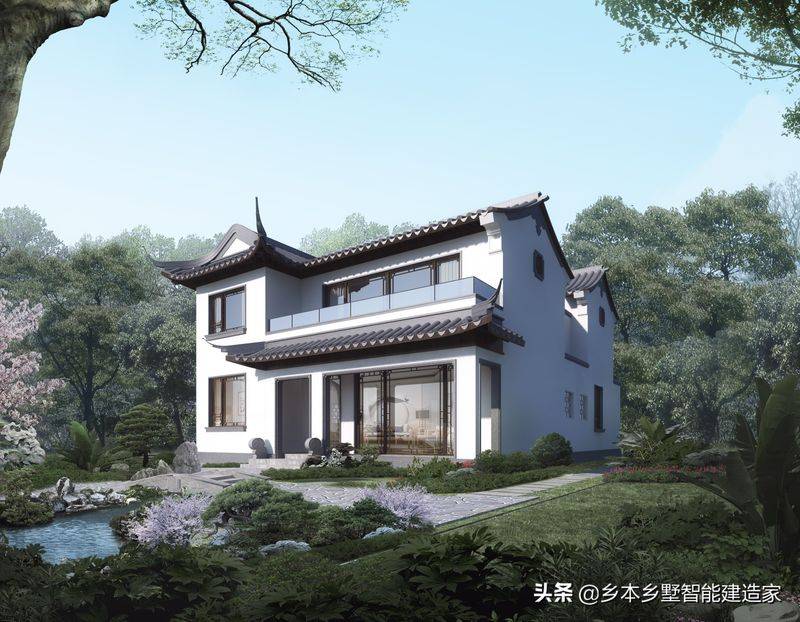
When designing housing in rural areas, it is necessary to avoid sudden changes in the surface and to try to be as simple in shape as possible. The walls must be even and symmetrical, so that the stress surface is even, and when earthquakes occur, they can have a good impact on the shock。
3. The foundations must be strong and stable:
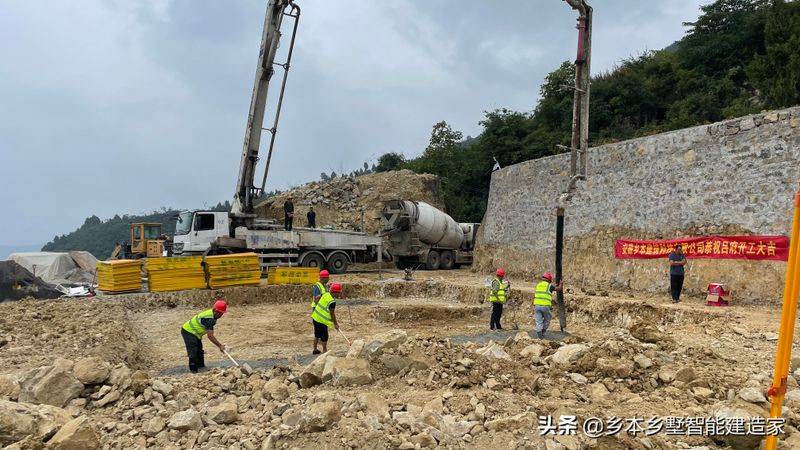
The building of houses in unfavourable areas such as weak earth cover, the thickness of the basic gutter, the laying of the ground floor with the ground floor, the building of concrete sand or stone concrete, and the strengthening of the foundations with the application of such techniques as pegs, should include large feet to prevent uneven deposition。
If a building is built, a circle should be set up to prevent the effects of uneven deposition on the upper structure。
Light roof:
The weight of the roof is also related to the overall earthquake resistance of the house. Currently, both cement and bricks are more common in rural self-built housing, with different weights due to differences in materials and processes. Lightness is only 10 kilograms per square metre, and weight is even 100 kilograms per square metre。
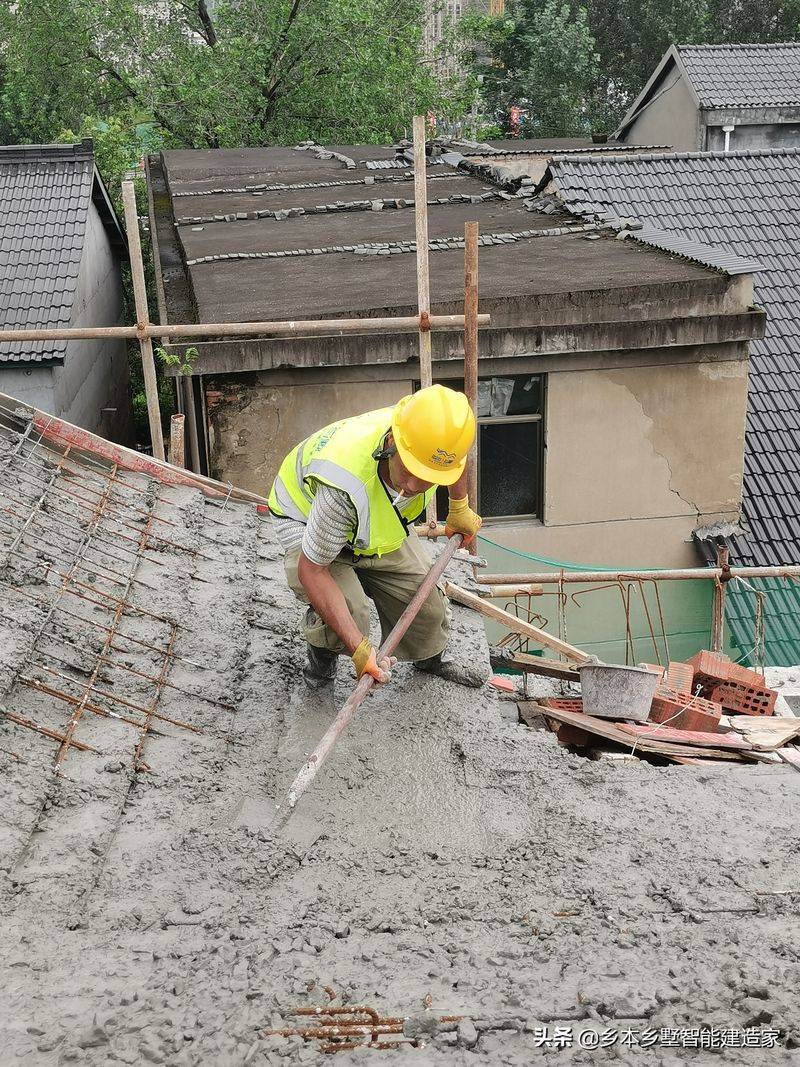
The areas where earthquakes are more frequent are used as light roofing materials as possible。
The resilience of the house is determined by the different aspects of the overall design of the house, materials, crafts, etc., the two seemingly identical framework houses, but may vary significantly due to differences in crafts, materials, etc。
So, before you build a house, you have to consult with the designer to analyze the design。