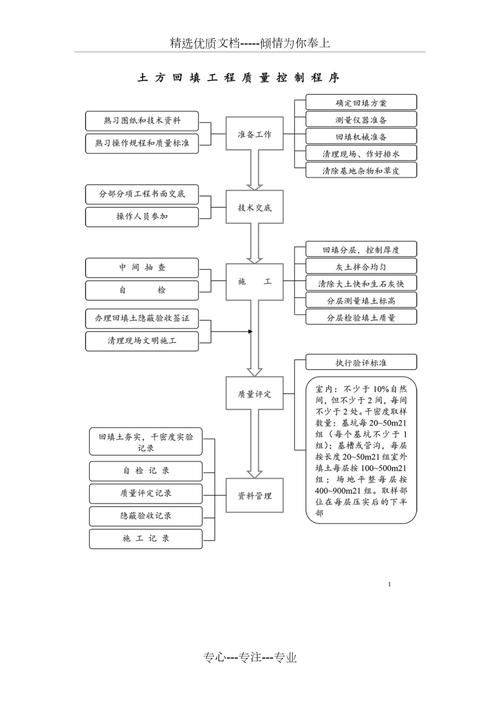
I. Construction readiness
Construction preparation is the first stage of the gravel refilling project, covering a wide range of technical, on-site, material and personnel preparations and providing a solid basis for subsequent construction activities. The following is an in-depth professional description of the construction preparation phase:
Technical material preparation and familiarity
Map review: a comprehensive review of the construction drawings, including topographic maps, structural designs, gravel square balance maps, etc., to ensure that design intentions and backfill requirements are understood。
Technical bottom-up: organization of technical bottom-up meetings with multiple parties, such as design, construction, supervisors, etc., to identify construction standards, technical difficulties, safety elements and quality control requirements。
Construction programming: a detailed construction programme covering construction methods, process processes, resourcing, security measures, etc., based on the characteristics of the project, geological conditions, material characteristics, etc。
On-site survey and readiness
On-site clean-up: the complete removal of all barriers in the construction area, including existing structures, vegetation, garbage, topsoil, etc., ensures clean and barrier-free backfilling operations。
Topographic measurements and discharges: site height measurements are carried out using measuring instruments such as full-station gauges, calibrations, and control and level points are set up according to the design markers for the release of control and boundary lines。
Drainage system placement: design and implementation of temporary or permanent drainage systems, depending on the terrain and precipitation of the site, to avoid water accumulation during construction, affecting backfill quality and progress。
Preparation of materials and equipment
Soil selection and detection: suitable backfilling materials (natural soil, gravel, industrial sludge, etc.) are selected according to design requirements, and geotechnical tests are conducted to ensure that the physical and mechanical properties of the material meet the normative requirements。
Equipment and mechanical preparation: adequate construction machinery and equipment, including excavators, loaders, bulldozers, bulldozers, transport vehicles, etc., are prepared and pre-maintained and tested to ensure the performance of the equipment in accordance with the scope of the work and the construction programme。
Material transport and stacking: develop material transport plans to ensure the timely and orderly supply of refilling materials to the site and their storage by type, specification, for management and use。
Construction capacity and security management
Staffing: formation of an experienced construction team, including project managers, technical managers, security guards, operators, etc., and professional training to ensure that personnel are familiar with the construction process and safe operating procedures。
Safety education and bottom-up: a safety education for all personnel, with special emphasis on potential hazards and preventive measures in construction, issuance of safety manuals and on-site security marking。
Emergency preparedness: develop detailed contingency plans for potential emergencies (e. G., safety incidents, bad weather, etc.), including emergency response processes, rescue measures and evacuation plans。
Base handling
Ground-based treatment is an essential step in the earth-side backfilling project, which directly affects the stability and sustainability of the backfilling project. This phase needs to be nuanced to ensure that the foundations are solid and flat, to meet subsequent backfilling and structural carrying needs. The following is an in-depth professional description of ground-based treatment:
Land-based status surveys and assessments
On-site survey: comprehensive survey of refilled areas, including topography, nature of soil, groundwater table, base of existing structures, etc., with detailed data recorded。
(b) geological exploration: drill sampling, analysis of the physical, mechanical nature of the soil, assessment of ground-based carrying capacity, as necessary, to provide a basis for design。
Risk assessment: identification of adverse factors that may affect backfill quality, such as weak foundations, high groundwater tables, and development of targeted treatment measures。
Poor geological treatment
Weak ground-based treatment: for weak foundations, refilling, strong incubation, cement mixers, etc. Can be used to strengthen the carrying capacity。
Groundwater treatment: where groundwater levels are high, precipitation measures, such as well site precipitation, catchment pit drainage, etc., are required to ensure that backfilling operations are dry。
Landslide and slope disposal: stabilizing unstable slopes, such as the installation of anti-sliding pillars, earth walls, anchors, etc., to prevent the risk of landslides during construction。
Clear and flat
Clear surface cover: remove surface vegetation, building waste, decomposed soil, etc., and provide clean work surfaces for backfilling。
(c) ground leveling: coarse flattening using machines such as bulldozers, graders, etc., to ensure that the surface is levelled and to create conditions for smooth and high-range control。
Surface pressure: initial pressure on the ground after clearance, reduction of sedimentation during subsequent backfilling and increased base stability。
Set up drainage system
Temporary drainage: temporary drainage ditches or gutters prior to construction to guide surface and rainwater discharges and avoid water accumulation affecting backfilling quality。
(c) permanent drainage: in accordance with the design requirements, permanent drainage facilities will be installed after construction or backfilling has been completed to ensure a smooth discharge over the long term and to avoid flooding。
Quality control and testing
Ground-based payload testing: tests of compliance with design requirements for ground-based treatment-based loads using, inter alia, static load tests and standard flow tests。
Recording and feedback: detailed documentation of each step of ground-based processing, including materials used, construction methods, test results, etc., timely feedback and adjustments to the construction programme。
Iii. Layer backfill and pressure
Layer backfilling and crushing are the core elements of the earthy backfilling, which directly affects the stability and confidentiality of the backfilling body and is a key step in ensuring the quality of the backfilling project. The following is a detailed professional description of this phase:
Material selection and quality control
Refilling material: select appropriate backfilling materials, such as natural soil, sandstones, gravel, etc., based on design requirements and ground-based characteristics, to ensure that the material is clean, non-comfort-free and that the particle distribution is in accordance with regulations。
Material testing: laboratory tests of a physical and chemical nature, such as particle size analysis, weights, permeability, pressure material testing, etc., are conducted to ensure that the material meets engineering requirements。
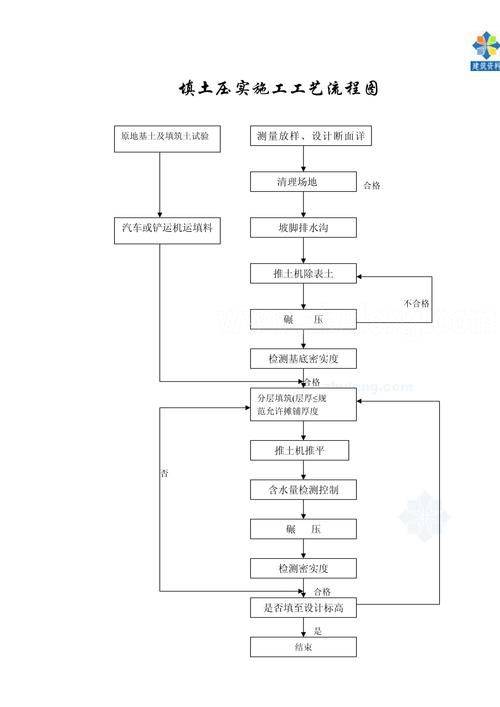
Layer fill
Layer thickness: based on the nature of the refill material, the capacity of the pressure machinery and the design requirements, it is reasonable to determine the thickness of each layer, generally between 200 and 300 mm, and it is not appropriate to exceed 150 mm for fine particles。
(b) layer-by-floor stalls: the use of bulldozers or shovels to spread the material evenly on the treated floors, ensuring that the thickness of each layer of material is evenly balanced and that the slopes on the slopes are properly reduced to facilitate mechanical operations。
Mechanical pressure
Pressure machine selection: select the appropriate pressure machine based on the type of refill material, the thickness of the layer and the size of the project, such as a vibrating pressurizer, sheep foot crushing, vibrating flat ground, etc。
(c) tight sequence: the principle of centre-to-front, low-to-high pressure is followed to ensure that each layer of material is under pressure and that the edges and corners are avoided。
Tight span: based on the test, the required mass per layer is determined, usually with multiple crushes before the required pressure level is reached, with an appropriate overlap for each crush。
Pressure control
Pressure-level detection: the refilling layer is periodically subjected to a pressure-level test to ensure that each layer meets the design requirements and specifications, using such methods as a cyclopedic, sand-filling, and nuclear density meters。
Adjustments and refills: for sub-standard refills, the cause (e. G. Water content, material particle size, etc.) should be analysed, the construction parameters adjusted appropriately or the re-compression measures taken until the pressure level is met。
Water management
Water content control: the water content of the backfilling material is adjusted to the best amount of water, depending on the nature of the soil and climatic conditions, by spilling or drying, to achieve the optimal pressure effect。
Drainage measures: maintaining good drainage conditions in the construction area and avoiding rain immersion back into fillings, affecting pressure effect and engineering progress。
Quality monitoring and records
Quality control: the installation of a dedicated quality inspection officer to conduct on-site monitoring of each backfilling process to ensure the quality of construction。
Records and archiving: detailed documentation of the type of material, thickness, pressure through mass, pressure level tests, etc. Per layer of backfilling forms a complete construction log to serve as a basis for quality retrospective and engineering acceptance。
Quality control and testing
Pressure material: once each layer has been filled back, the pressure material will be tested and the sub-optimal area will need to be re-pressed or re-ploughed。
Sediment observations: sediment observations of critical structural perimeters or large areas of backfilling are conducted to monitor surface changes caused by backfilling。
Stable slopes: periodically check the stability of the slopes and, if necessary, take reinforcement measures, such as laminates, earth walls, etc。
V. Environmental protection and security measures
Dust control: water spilling, covering, etc. Should be used during construction to control dust and protect the environment。
Noise control: rational scheduling of operations and the use of low-noise equipment to reduce the impact on the surrounding population。
Safety and security: security alert signs are in place and construction personnel are equipped to ensure the safety of construction。
Vi. Closure of construction
Surface leveling and land cover: when the design standard is high, the final levelling is done, either as required or as vegetation is planted。
Documentation: documentation of construction records, test reports, etc., to provide the basis for the acceptance of the project。
Acceptance and inspection: organization of on-site inspection and inspection in the quadripartite units (construction units, supervisory units, construction units, design units) to ensure that the quality of the works meets the design requirements。
The implementation of the above process ensures the quality of the stone-side backfilling works, meets the requirements of safety, environmental protection, economy and progress of the works and applies to a variety of engineering scenarios。