I. Qualification:
Natural advantages: high carrying capacity, low compression, high drainage, non-frozen, non-liquidation (hysteria), construction without water landslides
Disadvantages: low carrying capacity of loose gravel, landslides, run-off sand pipes; high mud content permeable water bad
Ii. Case-by-case basis (direct application)
Scenario 1: cyclical gravel layer (hard in situ, unearthed, unstomped)
Best: natural terrestrial reclamation
- bar, independent, raft
- just: flatten the chute and lay 100 ~ 200 mm sand mats to level and spread
- application: self-building, plant, general multi-storey construction
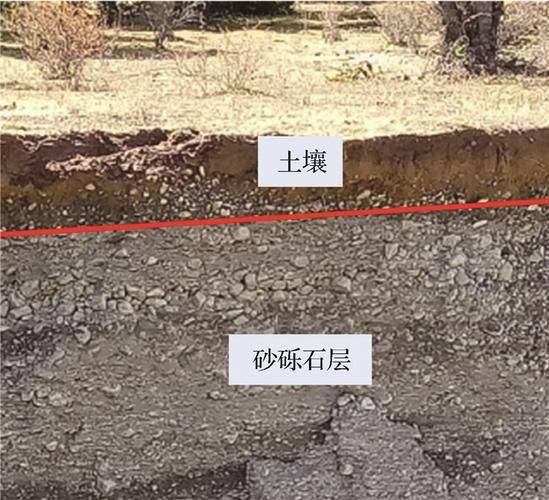
Scenario 2: fragmented gravel/thickness, local void
Program: replacing pressure treatment
Dig up the cleavage layer and fill it with gravel. Press
- scattered 200-300 mm, pressure 95%
- prohibition of the use of 3. 7 grey soil (water-rich gravel areas, dust-bushed water intensity)
- suitable: shallow foundations, floors, factory roads, independent foundations
Scenario 3: weak sludge/clubber under gravel layer (up and down soft)
Option 1: basement (penetrating through gravel and sitting on hard hold)
- pumping stakes. Prefabricated piping
- advantages: thorough resolution of depositions without fear of soft earth compression
Option 2: ground-based strengthening (slurry/strength)
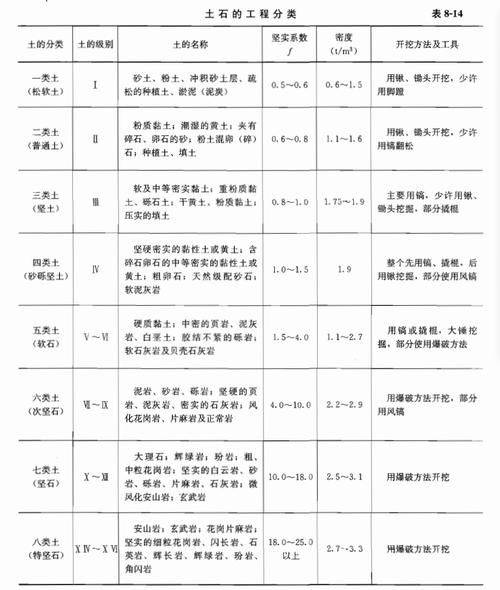
Large-scale plant, stacks: hell + gravel mats, whole solid carrying capacity
Scenario 4: high groundwater levels, gravel spills, risk of spills of troughs
Core: water cessation + backfiltration
1. Precipitation wells/water cessation curtains around the base pit
2. Base-floor plaster +-class sandstone refiltration
3. Prohibition of pure sands from making direct holding layers, and waterproofing to remove particles from the ground
Scenario 5: northern tundra gravel land
The gravel itself is resistant to freezing, provided that:
Base and thick sand and gravel mats cut through the corrosive water and put the freeze on and lift the base
Iii. Ban on pedals
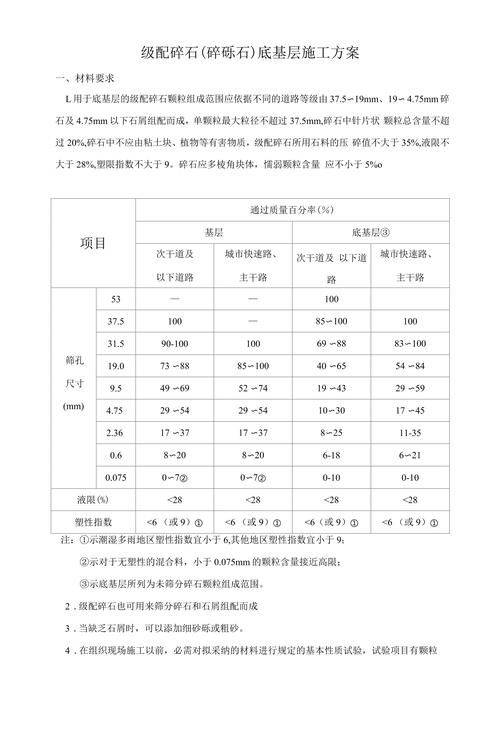
1. Aqueous areas of gravel, with no three or seven greys, soil mats (soft water softening, post-sink fragmentation)
2. Fragmentation of gravel without crushing directly rained (late-stage disequilibria)
3, 5% mud-bearing gravel, not a pure permeable holding layer (clogged water, softening)
Summary
1. Cracked gravel to natural foundations + sand mats
2. Fragmented shallow layer gravel for crushing pressure
3. Pumping through the gravel layer of soft earth
4. Water current sandfall + anti-filtration earthpaper + grade gravel