The high price of winter worm weeds, which are high-end supplements, has led the market to continue to be characterized by a variety of problems, such as double-filling, false weight gain, and in recent years, a number of electrician platforms and underground shops have been calling for the sale of an “artificial plant weed”, some of which have been promoted directly by “real tibetan high-altitude wild grass”, making it difficult for ordinary consumers to discern the truth。
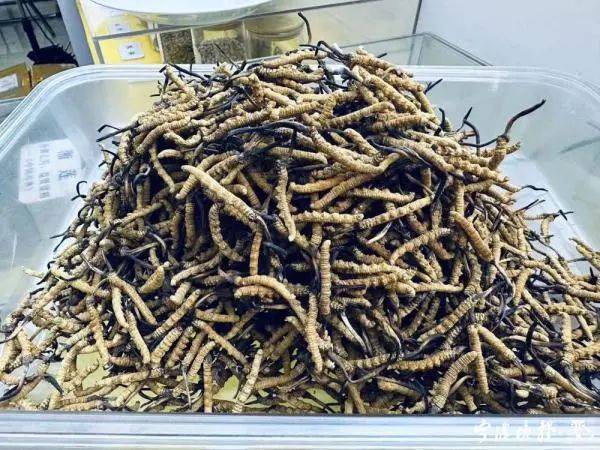
Wild bug grass. Zhou xianxian
Over the past two years, the qinghai, tibet and other associations of winter worms have issued several announcements on “combating the artificial planting of weeds as wild weed”, “combating the false propaganda of the trade in weeds of winter bugs”, and platforms have continued to have anti-weeding voices, calling into question the identity of the plant: whether this grass is a “ghost herb” or a “soft herb” is investigated by journalists。
Same specification, wildworm grass compared to plant grass heavy
“on the one hand is the wild tibetan weed and on the other is the planted weed.” at a special chinese medicine store in the drum building, the salesman produced two weeds for the journalists to identify。
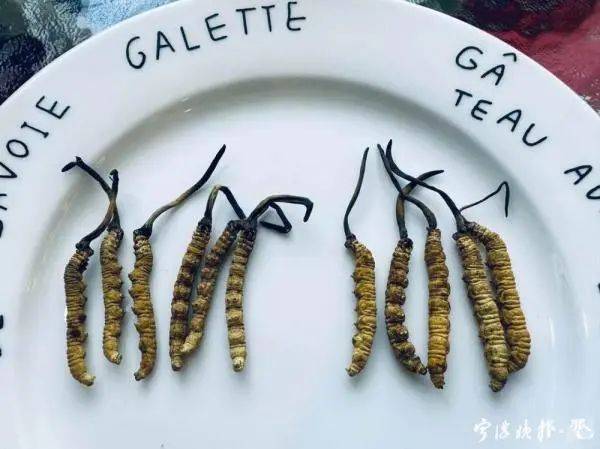
On the left is wild weed and on the right is weed cultivation. Zhou xianxian
On a rough look, the two are quite similar in shape, smelling, the wild weeds have a stronger smell, and the planted weeds taste less。
“the details of the eyes, the worms, the grassheads, the body blocks, etc. Can be distinguished.” according to the salesman, wild weeds are naturally dry, and dry weeds are wrinkled, while weeds are grown using the technique of freezing drying, i. E., using the method of physical uplifting, to deflate the water contained in the insects at low temperatures of 30-50 degrees below zero, and the shape of the dried weed is almost constant and looks large but not as dense as wild weeds。
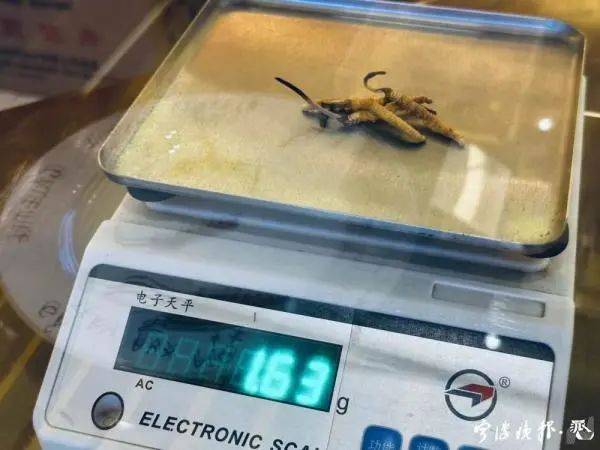
Wild bugs weigh。
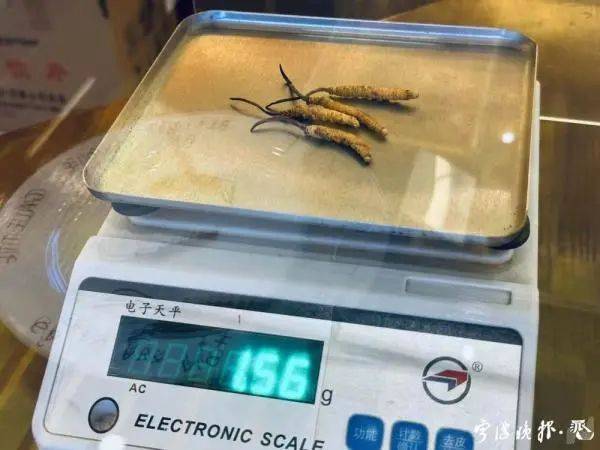
Plantation is heavy。
At the scene, journalists conducted a small experiment to select grass of the same size (2,500 kilograms) and artificially grown grass-eyes to look larger, but this was confirmed by a weighing comparison between wild grass and plant grass, four of which had a weight of 1. 63 grams and four planted grass of 1. 56 grams. “by being born at high altitude, wild worms have a stronger body and a stronger smell. "salesman says。
The prices of wild weeds have increased considerably and are relatively stable
In recent years, the prices of wild grass have been largely on the rise, rising and falling. Since the beginning of the year, the prices of chinese medicine have continued to rise exceptionally, and wild weeds have risen several waves, not only in large grass but also in small grass。
According to data from the western hang wild winter weed trade market in yuyuki city, qinghai sea, the price per kilogram is $210,000 for weeds of high quality (one kilogram for roots) and between $176,000 and $190,000 per kilogram for grass of medium quality. In 2012, the sale price of 2,000 kilograms of hay was approximately $80,000/kg, a significant increase in recent years. As a result of increased demand and exports, the prices of weeds are higher this year than in previous years, with the price of hay rising by approximately $30,000 per kilogram and the price of single grass rising by between $8 and $10 per kilogram。
“the number of wild weeds extracted by pastoralists is decreasing every year, and 8 taels were dug last year, and only 5 taels this year.” in the tibetan lhasa, li ami, the main producer of weeds, told journalists on the telephone that the number of wild weeds has been declining in recent years and prices have been rising, “an average of around $40,000 per kilogram this year”
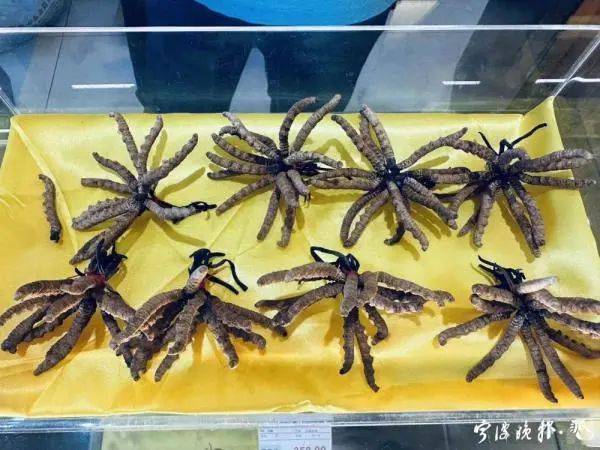
Precious wildweed. Zhou xianxian
Relatively low and stable prices are found for weed cultivation. On a number of online platforms, journalists found that the sale price of 20 thawers (0. 3-0. 35 g/f) ranged from $1,200 to $1,800, which was lower than that of the same type of wildworm grass。
“objectively, due to the fact that planting grass fills some of the market gaps and prices are relatively low, delaying to some extent the rise of wild grass, otherwise the price of wild grass this year could have surpassed the historical peak.” a senior industry person analysed the increasing trend in electric power platforms due to price disparities and even to the fact that some of the operators had taken the market for low prices and profited from the artificial planting of grass to be used as wild worm grass。
How do we grow weed? It's still at low altitude
As a precious drug and a second-level protected species, wild weeds are currently facing multiple dilemmas: rising global temperatures, shifting snowlines and decreasing areas where weeds live; over-exploitation and inadequate protection of mothlands; and insect-weight metals that exceed standards。
Excavation from wild grass can also be seen, with a peak of over 200 tons per year in the past in tibet, qinghai and sichuan, and a more pronounced decline in recent years。
In the context of declining trade in wild grass production, the artificial cultivation of weeds is of particular significance. So how did wedge grow
Journalists were transferred to zhejiang province, a chinese pharmaceutical company, the zhejiang daejun pharmaceuticals company ltd., which was growing herbs from high altitudes, and it was surprising that weeds had been planted artificially at a low altitude in zhejiang province。
“we have spent more than 10 years in the scientific attack, choosing a very good variety of tibetans, highly reducing the growth environment, temperature, humidity, etc. Of weeds.” according to li xiaoqin, the marketing director of the taishu medicine industry, it is true that the cultivation of weeds has been done at a very early stage, with more than 60 scientific institutions and enterprises conducting extensive research experiments throughout the country, most of them dropping out. As a result of the ongoing offensive, the current technical bottlenecks for artificial planting of weeds have been overcome and large quantities of production have been achieved. The nutritional value of consumer concern is that, according to the results of the tests, the planting of weeds is almost equivalent to that of wild weeds for key indicators such as sod enzymes, verbacid acid and gland gland, with zero detection of heavy metals。
“the wild weeds generally grow for two years or more, and it is said that artificially grown weeds grow at a rate of between three and six months in the greenhouse environment, which is a distortion and a misleading one.” li xiaoqin indicated that, as an old zhejiang business, they were also growing weeds for two years and more and focused on product control. The rock is a well-known medicine, a major chinese medicine town, and a first-rate chinese medicine plant that grows naturally and modernizes its production。
In addition to zhejiang, a small number of enterprises, such as east sunshine, are known to grow weeds within the country。
It's a long way to go
In recent years, there has been an upsurge in demand in the chinese drug market as health concepts have grown and the demand for traditional medicines and therapies has increased. The market attention around winter worms and summer grass has been high, but the “water-deep” “hole-filled” dumplings have also made this precious medicine “uneasy to love”。
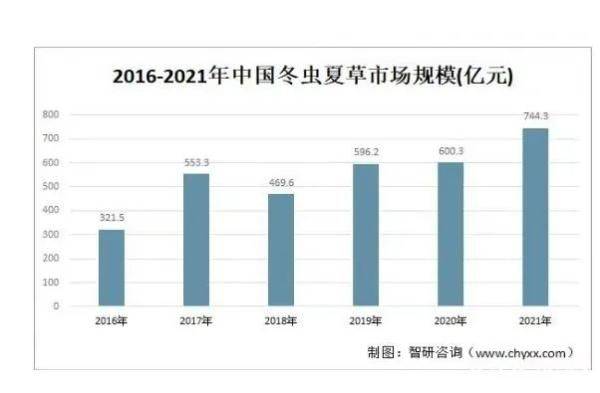
At present, the domestic market for weeds is on a $780 billion consumption scale, but the lack of “small disarray” and leading firms; the lack of standardization and standardization; the poor quality of products; the poor supply chain and the volatility of prices; and the many cases of forgery and the expulsion of bad currency are all factors that plague the sustainable and healthy development of the market。
In their interviews, journalists learned that it is not surprising that weeds have been planted in recent years as a new track product for technological innovation and have been boycotted by traditional supply chains and stakeholders, as in the case of artificial cultivation of iron and stone. In the present situation, the eventual cultivation of iron platinum has changed traditional patterns to a large extent, gradually replacing the market share of wild pebbles and ensuring the stability of supplies and the tunnels of medicinal products。
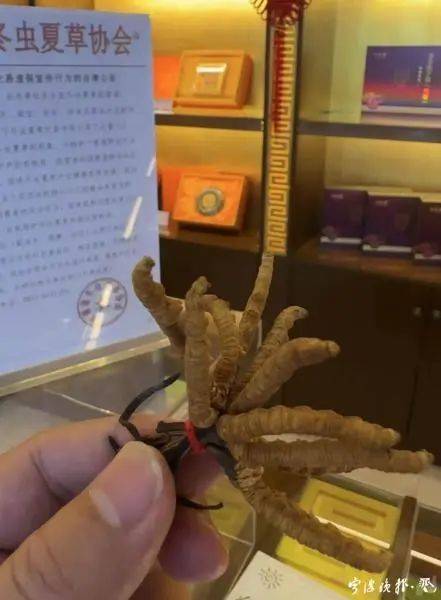
According to industry sources, the current market error is mainly due to a lack of good merchants who use the plant as a wild weed to make a profit, on the one hand “blacking” it and, on the other, seriously harming consumers. Different products, with different pricing, can meet different market needs, and choices are in the hands of consumers, provided that they operate in good faith and are child-friendly。
In an interview, journalists found that the cultivation of weeds was neither a legendary “soft grass” nor a “ghost grass”, but an innovative product to break the current market dilemma. There is still a long way to go before it can change traditional patterns in the future, gain consumer approval and sustain the sustainable development of chinese medicine。
More news
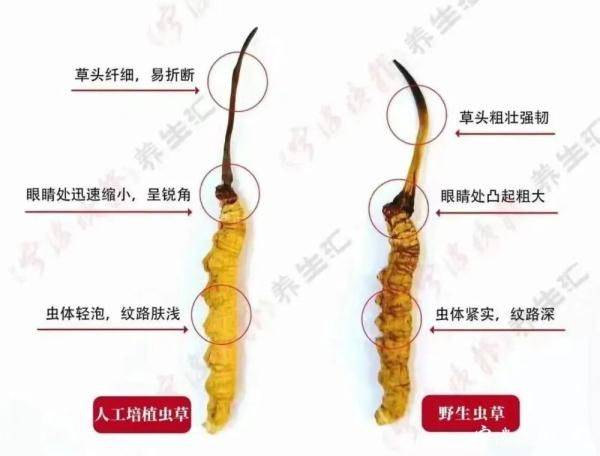
How do we distinguish between plant grass and wild grass:
01
The most striking differences between artificially planted weeds and wild grass are the size of the eye of the interconnection between the worm and the grass, the sharp angle of the interconnection, and the thickness of the eyes of the wild worm, which is almost as thick as the neck. If you find a pile of weeds that have a "deep angle" feature, there is a high probability of artificial planting
02
(b) the finer and more robustly fertilized grass, which looks at the grass, is less resilient than the wild grass, and varies greatly in size due to the environment in which it grows
03
Insects, artificially grown weeds are not naturally dry, and are thawed dry, so they look large, but they are not as dense as wild weeds, and there is a sense of foam
04
Many artificially planted weeds have many brown spots, in contrast to light yellow insects。
Journalist zhou xian