Cheap selection. The variety of cabbage is numerous and can be divided into three basic ecological types, namely, straight cylinders, prototypes and ovulations, but, for reasons of the growing season, it is necessary to select medium- and late-run varieties that are resistant to disease, cold, high-yielding and stored. The main types of excellence are: lubai 3, shandong 2, shandong 5, bong 85, etc。
The seeding is scheduled. Caucasian roots are shallow, less absorbent, fast-growing and growing leaves, with high levels of evaporation, fertile, laxing, water conservation, neutral or micro-acid powdered sandy soil, border soil and light sticky soil. Good drainage and irrigation conditions are required. In the north, there is more cultivation of gills or flats; in the south, there is growing of high gills. Owing to the different conditions of the planting environment and the availability of suitable time-frames, it was postponed from north to south from july to september。
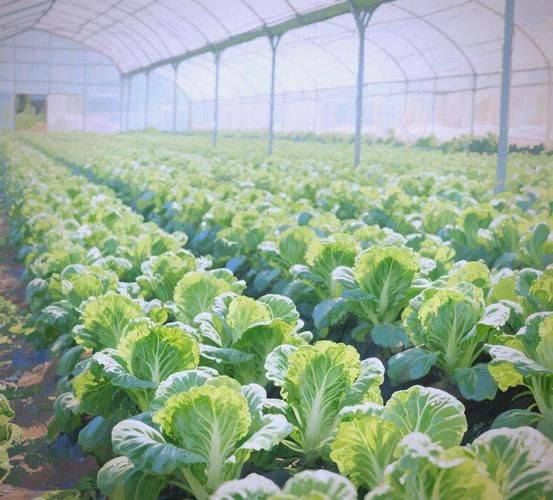
Reasonable secret. Cultivation density varies according to variety, land power and climatic conditions. The fact that cabbage cannot be associated with or rotated with other cross-flower vegetables is one of the important measures to prevent pests and diseases. A ditch of 5-10 cm depth, where water is watered first, and when water permeates, the seeds are spread evenly in the ditch, and a fine soil of 0. 8-1 cm thick is spread, with an acreage of about 0. 5 kg. The same species have suitable climatic conditions, good water fertility conditions and a small density; conversely, a slightly larger density is desirable. The manner in which the field is laid also affects the growth of cabbage. To facilitate field operations, line spacing is generally greater than the range。
Shrimp management. Following the seeding of large cabbage, measures were taken to keep the ground wet and lower surface temperatures. In the absence of rain, water should normally be poured once on the day of sowing or the next day, and the face should be wet and sowed on the third day. The second wave of water caused most of the embryos to emerge. After seeding and at time, and once in each of 2-3 or 4-5 saps, weeds, sick and weak are removed。
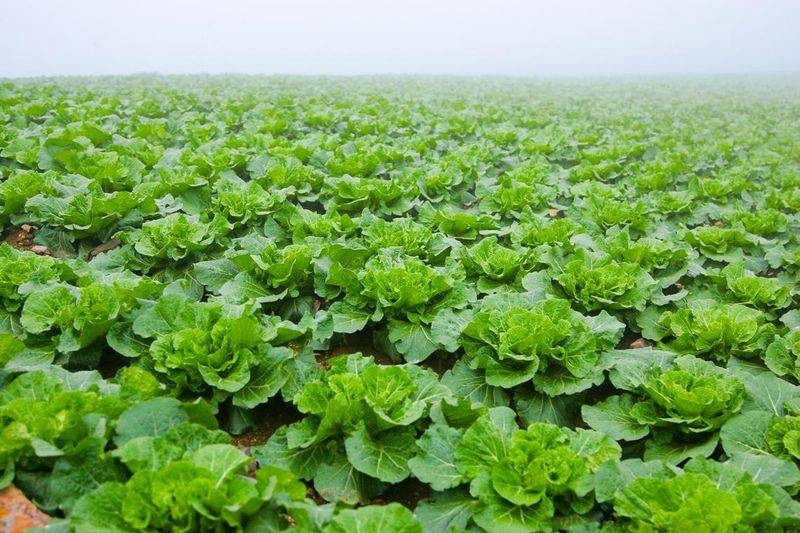
Move the plant. The optimal time frame for planting is typically 15-20 days for seedlings with 5-6 leafs. The transplant is best done in the afternoon. Appropriate density is determined by the characteristics of the species. Water immediately after planting. Water will be poured every morning and evening for three to four days in order to keep the seedling alive。
Fertilizer management. Getting fat. Large cabbage is a high production and needs to be fertilized, not only on foot but also on time. Premiums generally do not follow fat. If bottom fertility is insufficient, for the first time, ammonium sulphate can be applied to 10 kg per acre during the 3-4 leaf period, spread over both sides of the seedlings and immediately watered as “shrimp fat”; for the second time, ammonium sulphate is applied to 15-20 kg per acre after seeding or planting has taken place, and is applied in a ditch on both sides of the acre, referred to as “fatation of the tree”; for the third time in the lotus, 25-30 kg ammonium sulphate per acre, 10-15 kg calcium per phosphate, which is applied to the fertilizer in a ditch or den, with a slight increase in the pedestal, and then watered with “big fat”; for the fourth time, in the middle of the ball, ammonium sulphate is applied 15-20 kg per acre, which can be washed with water and referred to as “heart fat”. Water. The cabbage can be properly watered at a decreasing temperature from a congested to a lichen season, which can be properly managed for several days at the end of which it can be watered after the third fat chase. Since cabbage requires the most moisture after it enters the terminal season, it is necessary to pour the water once after the sapling has ended. Then, two to three days later, the water was poured again. It is important to water the second time, when the soil breaks dry, which breaks the side, causes the dead and affects the ball. Thereafter, water is usually poured once over 5-6 days to keep the soil wet。
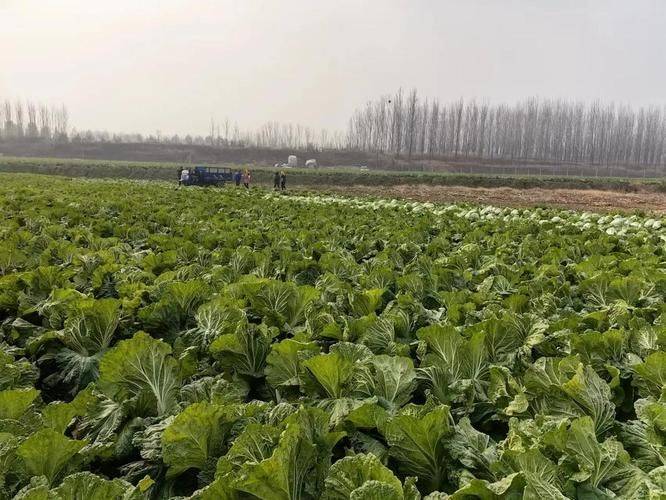
Combat the disease. Diseases such as molluscs, dry curry, frost and black spots can seriously affect the production and quality of cabbage. In addition to the selection of excellent varieties for planting in due course, three consecutive doses, approximately once every seven days, are sprayed in cabbage, with the option of agricultural chain carcinin, mesophyllin, 30 per cent of copper fatty acid suspensions, etc., preventing bacterial diseases such as molluscosis and black corruption. In the event of an outbreak of cabbage, which requires the immediate removal of the strain and the bringing out of the field for burial, 72 per cent of the fungal disease can be treated with agents such as frostic manganese zinc wettable powders, olesyl acne, and with agents such as anthrax and diaphragms. In the case of cabbage, a dry heart is sprayed with calcium-containing foliage, plus zinc boron with multiple microfats, twice in a row。
Tilt and harvest. In the later stages of cabbage growth, as the temperature declines daily, the weather changes so that it is frostproof that it is bound in time. Usually, 10-15 days before the harvest, water is stopped, leaves are lifted up, leaves are held up and leaves are bound with immersed yams or grain grass. Make the wrappings tighter and continue to grow. The first two to three days of snow should be harvested in a timely manner and laid out in the fields, pending the atrophy of the leaves, so that they can be stored. Cabbage grow slowly below 10°c, stop growing below 5°c, and can recover from freezing at 0°c - 2°c in short time; at lower temperatures, not for long periods of freezing。