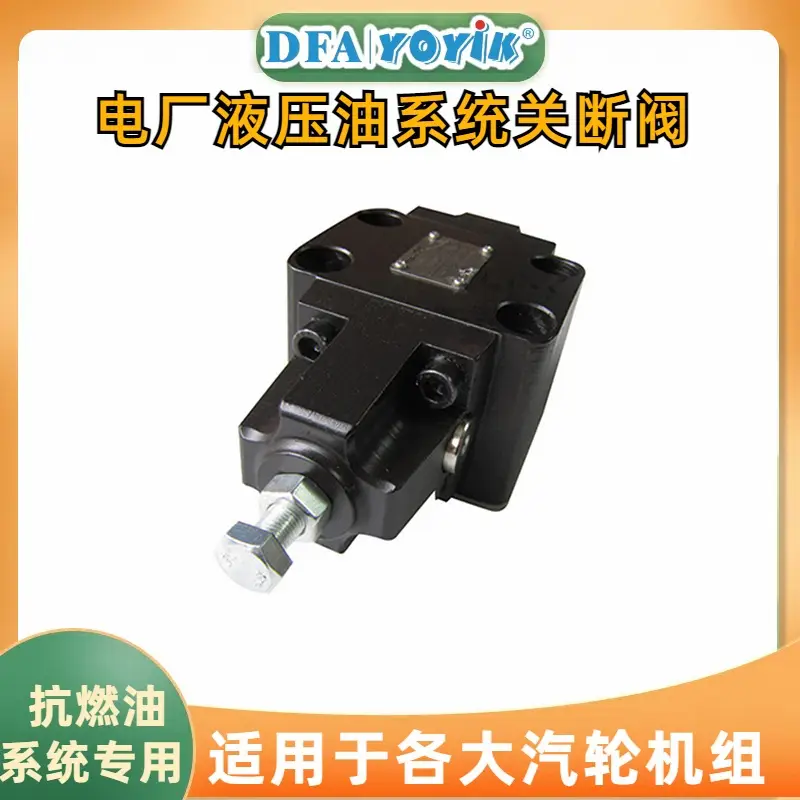
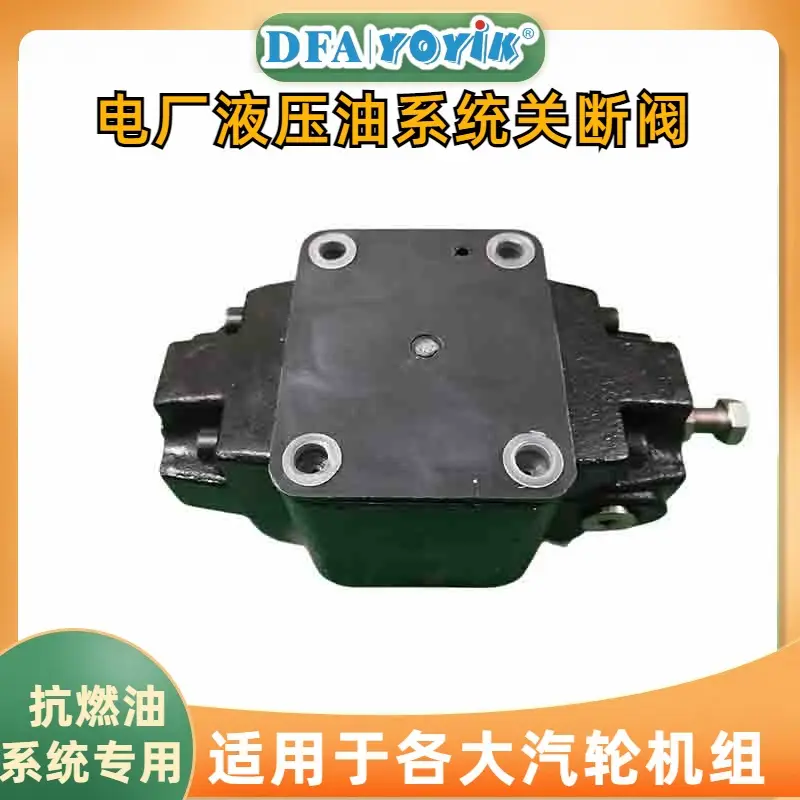
Oil motor discharge valve hgpcv-02-b10 disassembly process and doctrine
I. Rationale
The offload valve hgpcv-02-b10 is an electron scale valve designed to regulate pressure in the hydraulic system in proportion to the electrical input. The rationale for its work is as follows:
Pressure control: the offload valve controls the movement of the oil motive by regulating the pressure of hydraulic fluids. When the system pressure reaches a fixed value, the offload valve opens and the hydraulic fluid flows back, thereby reducing the system pressure and achieving discharge. Rapid response: the valve has the characteristics of a rapid response, capable of quickly cutting off the oil supply of hydraulic systems and stopping the movement of the oil motive, as needed. Precursor control: the internal parts of the offload valve usually contain a lead valve, which controls the opening of the main core of the valve, thus achieving precise control over hydraulic fluid flow and pressure。
Ii. Dismantling process
(i) dismantling process
Power outages and outages: before dismantling, ensure that the system is out of power and completely out of pressure to avoid hydraulic fluid leaks and accidental activation. Removal of external connections: removal of hydraulic pipelines and electrical connections for discharge valves. Dismantling of fixed bolts: unlocking and removing bolts that place offload valves on oil-movement blocks. Remove offload valves: carefully remove offload valves from the installation position to avoid damage to valves and seals. Inspection and cleaning: check for damage to the appearance of offload valves, cleaning of valves and internal parts, removal of oil contamination and impurities. Dismantling of internal parts: dismantling of internal parts in the correct order, including valve cores, springs, seals, etc., and recording of the sequence of dismantling。
(ii) assembly process
Cleaning and inspection: ensure that all parts are clean and undamaged before assembly. Check if the seal is intact and replace if damaged. Installation of internal parts: installation of internal parts in the opposite order of disassembly to ensure the installation of components such as valve cores, springs, etc. (c) an loading valve: the offload valves are carefully installed back on the oil-monetized block to ensure the correct location of the installation. Fixed bolts: install and tighten the fixed bolts to ensure that the offload valves are firmly fixed on the integrated blocks. Connect hydraulic pipelines and electrical lines: reconnect hydraulic pipelines and electrical connections to ensure strong connectivity. Inspection and debugging: reactivate system pressure, check whether the offload valve is working properly to ensure that there is no leakage and abnormal noise。
Iii. Notes
Professional operations: dismantling should be done by professionals to ensure operational safety and proper installation of equipment. Clean environment: during the dismantling process, the working environment is kept clean to avoid dust and impurities entering hydraulic systems. Regular maintenance: periodic inspection and maintenance of offload valves are recommended to extend their useful life and ensure the stable operation of the system。