


In today's society, there is growing concern about indoor air quality, especially the presence of the harmful substance formaldehyde, which is a source of concern to countless families. Formaldehyde, a non-coloured gas with a strong irritant odour, is derived mainly from refurbishing materials, furniture, etc., and long-term exposure can cause serious health hazards to humans. So the air cleaners went into thousands of homes as a sharp object against formaldehyde, but the debate in the market about the effect of the air cleaners on formaldehyde never stopped, and many asked: "is the air cleaners dehyde?"
Formaldehyde: invisible "invisible killer"
Formaldehyde is a common indoor air pollutant, derived mainly from refurbishing materials, furniture, floors, etc. It is a colourless gas with a strong irritant odour, with many hazards to human health. Short-term exposure to formaldehyde can cause discomfort in the eyes, throat, nose, etc., such as eye pain, throat aches, cough, etc.; long-term exposure can lead to more serious health problems, such as respiratory disorders, allergies and even increased risk of cancer. Thus, the effective removal of indoor formaldehyde is the focus of many family concerns。
The dehyde doctrine of air cleaners
As a common indoor air purification device, air cleaners have the following main decorative principles:
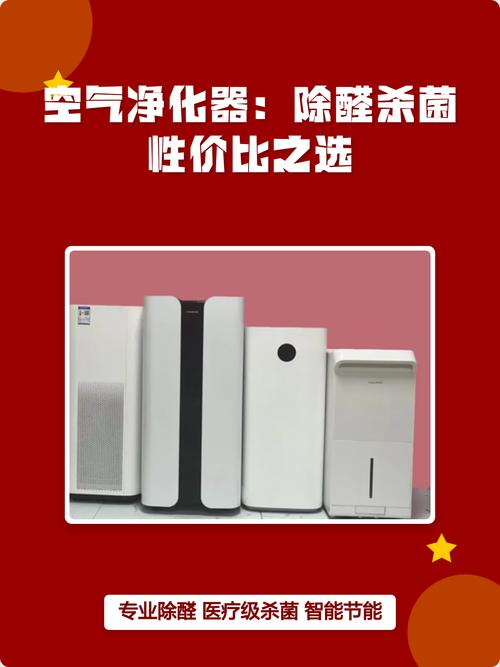
Activated carbon adsorption: active carbon is a multi-pore substance with a strong adsorption capacity capable of adsorbing to a formaldehyde molecule in the air, thereby reducing the concentration of formaldehyde. However, the adsorption capacity for activated carbon is limited and, when saturated, the filter will need to be replaced in a timely manner, otherwise it may lead to the release of formaldehyde back into the air。
Photo-media decomposition: photo-transmitters are substances capable of producing greater oxidation in light conditions, of decomposition of formaldehyde to carbon dioxide and water, and photo-tanger technologies have the advantage of continuing decomposition of formaldehyde, but their effects are influenced by such factors as light intensity, catalyst activity, etc. If the light is insufficient or the catalyst activity is reduced, the formal decorum effect of the light media is significantly reduced。
Hepa filter: the hepa filter is an efficient air filter that can filter out particles in air, including some containing formaldehyde. While hepa filters themselves have limited capacity to absorb formaldehyde, they can be combined with other formaldehyde technologies to improve the dehyde effects of air cleaners. For example, some air cleaners have added activated carbon or light media to the hepa filter to form a composite filter to achieve a better decorum effect。
The truth about the decorum effect of the air cleaner
Differences between laboratory data and actual use environment: many air cleaners highlight their high-efficiency decorum capacity in their advocacy, often based on laboratory tests. In the laboratory environment, the dehyde effect of the air cleaners can indeed be higher, however, the laboratory environment is very different from the environment in which it is actually used, usually tested in a closed, small space with relatively high levels of formaldehyde at the time of testing. In practice, the large size of the household environment and the different ventilation conditions affect the decorum effects of air cleaners。
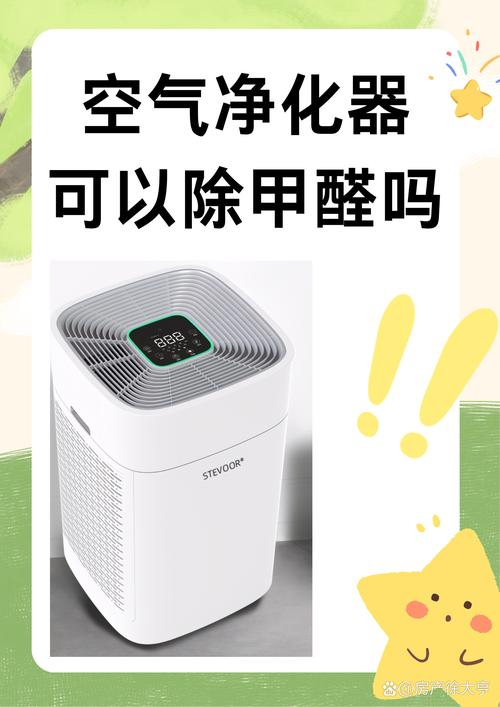
Decryption speed and continuity of formaldehyde: the dehyde speed of air cleaners is also an important consideration, and some air cleaners are able to reduce the concentration of formaldehyde rapidly in a short period of time, but the effect of formaldehyde may gradually decrease over time, because the release of formaldehyde is a continuous process, especially in newly renovated houses, where formaldehyde is gradually released from refurbishing materials and furniture over time, and it is impossible to respond effectively to the continued release of formaldehyde if the dehyde capacity of air cleaners is not sustained at a high level。
(b) costs of re-use and maintenance of filters: the filter of air cleaners is a key component of their formaldehyde, but the useful life of filters is limited and needs to be replaced in a timely manner when the saturation of filters or catalyst activity is reduced. The cost of replacing filters is higher, especially for some high-end air cleaners, it may take hundreds or even thousands. Failure by users to replace filters in a timely manner will not only affect the decorum effects of air purification units, but may also cause secondary contamination。
How to select the air cleaner correctly
Cadr values and ccm values: cadr values are the clean air output ratio and ccm values are cumulative clean-up and are important indicators of air purification performance. The higher the cadr value, the faster the air cleaners are cleansed; the higher the ccm value, the longer the life of the filter. In selecting air cleaners, attention should be paid to their cadr and ccm values, choosing products appropriate to their household size and use of demand。
Selecting well-known brands and formal channels: the market has a large number and uneven quality of air cleaners. In selecting air cleaners, preference should be given to well-known brands, which are more secure in terms of product quality and after-sale services. At the same time, it has to be purchased through formal channels to avoid the purchase of counterfeit and fraudulent products。
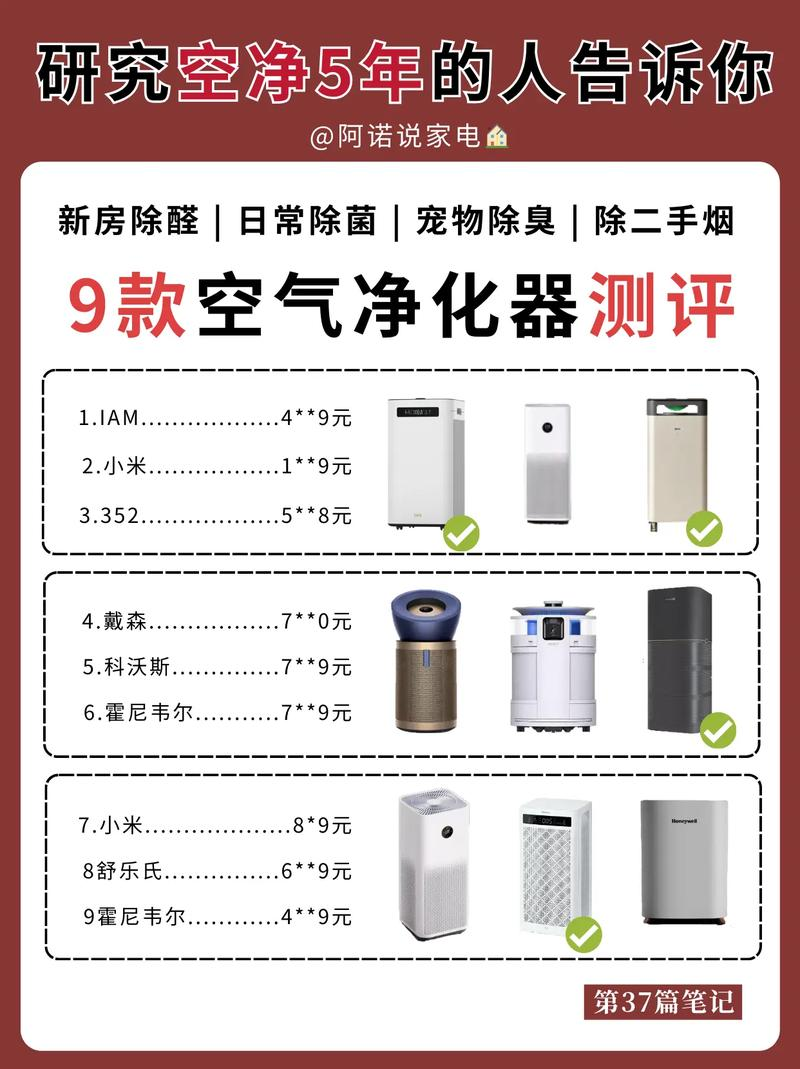
A combination of formaldehyde methods: although air cleaners have some effect on formaldehyde, it is difficult to completely remove indoor formaldehyde by relying solely on air cleaners. The use of air cleaners can also be combined with other formaldehyde methods, such as ventilation, plant purification, activated carbon adsorption, etc., to improve the effect of dehyde。
Air cleaners decorate: not an iq tax, but with rational choice
Air cleaners are not a “iq tax”, which can help us in part to reduce indoor formaldehyde concentrations and improve indoor air quality. However, the formaldehyde effects of air cleaners are affected by a number of factors, such as the use of the environment, the speed of dehyde, and the replacement of filters. Therefore, when choosing air cleaners, we need to be rational, choose the appropriate air cleaner products according to our actual needs and family circumstances, and pay attention to the regular maintenance and replacement of filters to ensure their decorum effect。
In short, the decorum of air cleaners is an effective indoor air purification tool, but it is not almighty. We need a proper understanding of the principles and effects of formaldehyde in air cleaners, the rational choice and use of air cleaners, together with other dehyde methods, to safeguard our indoor air quality and create a healthy and comfortable living environment for families。



