Loss of external risk
It refers to losses resulting from risks other than those at sea. Such losses are not classified as total losses and partial losses according to the extent of the loss, but are classified as the cause of the loss to serve as the basis for insurance coverage by insurance companies. Losses resulting from the classification of general external risks and losses resulting from special external risks。
Costs
Maritime risks also incur costs, mainly for rescue and rescue costs. Rescue costs are the costs incurred by the insured person or his agent or the transferee of the insurance policy in the event of a disaster involving the insured goods within the scope of the insurance liability in order to avoid or mitigate the loss. The so-called cost of relief is the remuneration paid by the rescued party after the insured person or third party other than the insured person has taken effective relief measures。
Losses
Losses in the carriage of goods by sea, also known as average, are losses resulting from maritime risks during the carriage of goods by sea, and include losses in the carriage of goods by road and inland waterways connected to the carriage by sea. The loss at sea can be divided into all and part of the loss according to the extent of the loss。
Total losses
The total loss is also described as total loss, i. E. The total loss of the insured goods, the actual total loss and the percentage of the presumed total loss. Physical total loss means the total loss or deterioration of the goods without any commercial value. The presumption of total loss is that the actual total loss is inevitable after the goods have been exposed to risk, although not to the extent of the actual total loss, or that the costs incurred to avoid the actual total loss and the costs of continuing to arrive at the place of the goods exceed the insurance value. The presumption of total loss must be verified by the insurer。
Part of the loss
Losses other than actual and presumed total losses are partial losses. It can be divided into general average and separate average according to the cause of the loss。
In the course of maritime transport, ships, goods or other property are exposed to a common danger, and in order to remove the common danger, special sacrifices and expenses incurred as a direct result of reasonable rescue measures are referred to as general average. In the event of general average on a ship, any sacrifice and expenses within the scope of general average may be calculated through the general average, prorated among the beneficiaries concerned (i. E., the ship's party, the cargo party and the freighter's income) on the basis of the salvage value and then claimed from their insurers. The elements involved in the allocation of general average are complex and are generally adjusted by a specialized average adjustment body (adjustment)。
Losses that do not have the nature of general average and which do not have the level of total loss are described as separate averages. The loss relates only to the unilateral interest of the ship or cargo owner
Under the insurance regulations, all losses and general average resulting from the risk at sea are covered by the insurer, irrespective of the type of risk to be guaranteed. In the case of a presumption of total loss, because the goods were not all lost, the insured person had the option of claiming for the total loss or partial loss. In the event of total loss, the insured person shall submit to the insurer a `payment notice'. The ownership of the remaining object is delivered to the insurer and, upon acceptance by the insurer, is compensated for the total loss。
Risk
The insurance industry divides the risk of carriage of goods by sea into maritime and external risks. Risk is the cause of loss。
A. Maritime risks
Maritime risks include natural disasters and accidents。
Natural disasters, which refer only to bad weather, thunder and lightning, floods, drifting ice, earthquakes, tsunamis and other unresistible human disasters, do not refer to disasters caused by natural forces in general。
Accidents include, inter alia, major accidents with significant maritime characteristics, such as shipgrounds, tectonics, sinking, collisions, fires, explosions and disappearances。
B. External risks
External risks are defined as risks other than those at sea, divided into general external risks and special external risks。
General external risk. It refers to theft, fragmentation, leakage, defilement, tidal heat, cosmopolitan, rust, hook damage, short quantities, fresh water rain, etc。
Special external risks, mainly those arising from military, political and administrative acts, give rise to loss of goods. Such as war, strikes, non-delivery of goods, refusal of receipt, etc。
Insurance benefits
The subject matter covered by the insurer is the subject of insurance coverage. However, the insured person (insured person) is insured not by the subject matter of the insurance itself, but by the benefit of the insured person in respect of the subject matter, which is called the benefit of insurance. The insurance contract is void if the insured person has no insurance interest in the subject matter。
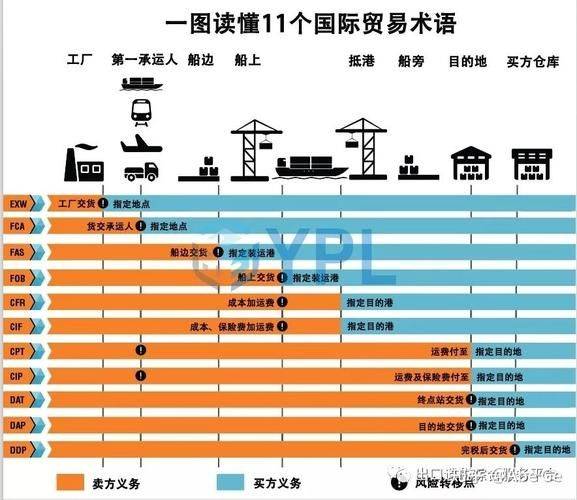
Like other insurance, the insured must have an insurance interest in the subject matter of the insurance. This insurance interest is reflected in the ownership and liability of the subject matter of the insurance in international shipments. Transactions concluded by way of fob, fca, cfr and cpt involve the buyer taking the risk of goods crossing the port. Once the goods have been lost, the buyer's interests have been lost, so the buyer has an insurance interest。