The difficulty of the civil service examinations can be summarized in two words: “more” and “less” — the number of applicants is “more” than exaggerated, while the number of positions recruited is “less” to the point. In terms of data, it is already highly competitive and highly competitive, which is referred to as the “first test” in the country。
The following is a breakdown from the two dimensions of competition for heat and examination content:
I. Competition ratio: one is normal
The most intuitive feeling comes from official data published by the national civil service (in the case of the 2026 national examination):
• high number of applicants: a total of 3. 78 million have passed the qualification and only 381,000 are planned for recruitment。
Average competition ratio: 98:1, i. E., only one person out of an average of 98 applicants can “offshore” successfully。
• real reference rate: even with about 13 per cent of those who dropped out, the actual number of those who took the examination was 2,831,000 and the actual competitive ratio was as high as 74:1 and the admission rate was only 1. 35 per cent。
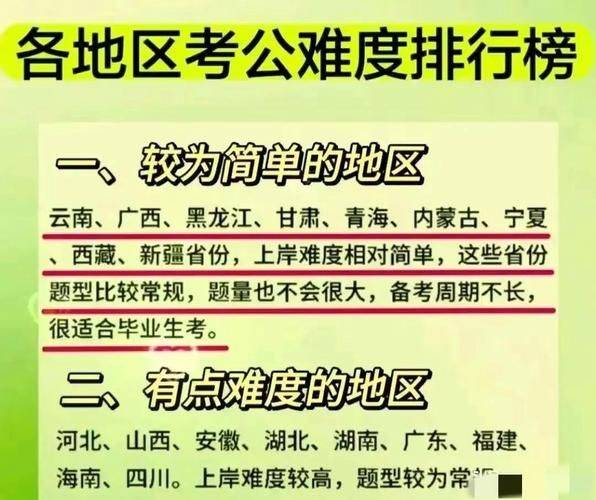
• hot jobs “one in a thousand”: there are even “one in a thousand” situations in individual posts. For example, in the 2026 national examination, one job in the reilly repatriation centre competed for as much as 6470:1; in 2025, 1670:1。
• compared to the study: the ratio of examination results for the same period is approximately 3:1 and competition is much lower than that of the national examination。
In addition to national examinations, local provincial examinations are equally competitive. For example, in 2025, the average competition ratio was about 41:1。
Ii. Content of examinations: issues, scope and presentation
If competition is external pressure, the content of the examination itself is extremely stressful。
1. Conducted: 120 minutes to challenge 130 topic
This is a “unable” task. The average answer time for questions is less than one minute and the time for flashcards is counted。
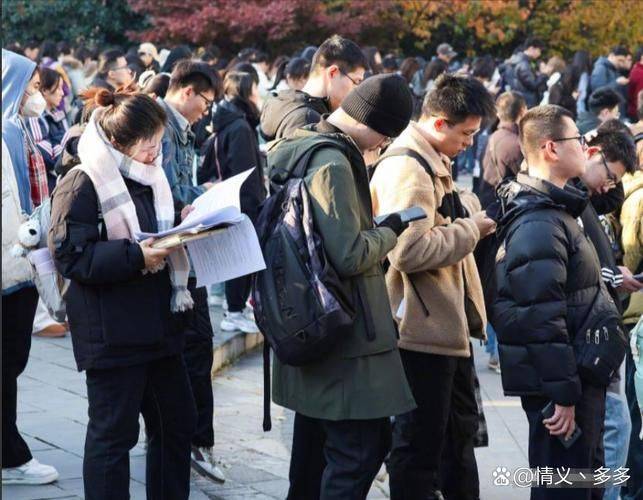
• the political theory is a stand-alone module: in 2026, the national competitive examination for the first time singled out “political theory” for 20 topics, which are closely tied to political hot spots such as the “fifty-fifty-five” plan and the 80th anniversary of the victory。
• common sense judgements are all-encompassing: from auto-piloting of vehicles, weight management, to “blacking stars” and the yadam landscape, they test day-to-day accumulation。
• there have been many changes in the subject matter: the difficulty of graphic reasoning is polarized, and speech understanding materials involve frontier technologies such as astronauts and artificial intelligence。
Thesis: looking at “quasi-civil servants” thinking
The doctrine is not just written, but rather your ability to solve real problems。
• material geology: themes tend to revolve around grass-roots governance, such as “spoker management”, “yogics exit costs”, “web data security”, etc., as tested in 2026。
• depth of the text: the requirement is to target “real progress, not simply moving forward, but, more importantly, clear running objectives” such views were discussed and could easily be written without further reflection。
3. Special threshold
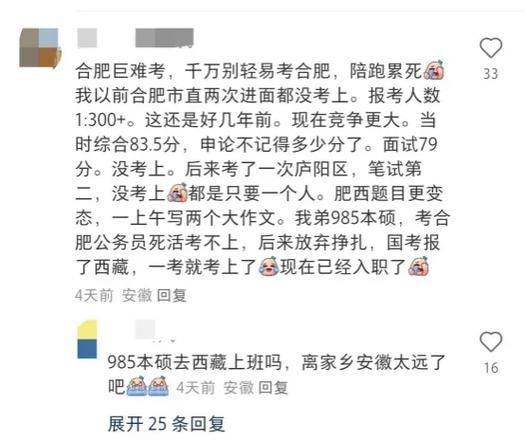
The fact that many jobs are subject to professional restrictions, meet the requirements of a student's status, work experience at the grass-roots level or membership in a party makes it more difficult for qualified candidates to be selected。
Some different angles
Although the numbers are frightening, they do not have to be completely deterred:
“water” exists objectively: the failure rate of about 10 to 13 per cent per year indicates that some people are simply “test water”。
The policy releases dividends: since 2026, the age has been relaxed to 38 years (43 years old), giving more opportunities; and about 68 per cent of job-oriented candidates have been recruited, protecting their status as newcomers。
It's hard to be smart: it's hard for everyone, compared to mentality and strategy。
It is hoped that this detailed data will help you to establish a clear understanding of the examination。