Battery dry doctrine and structure:
Dry batteries are a common battery type and their rationale is based on the oxidizing reaction in the chemical reaction. Dry batteries consist mainly of an anode, a cathode and an electrolyte, each consisting of different materials. The primary reaction within the dry cell is electrochemical reaction, which occurs continuously when the battery connects to the circuit, thus generating currents。
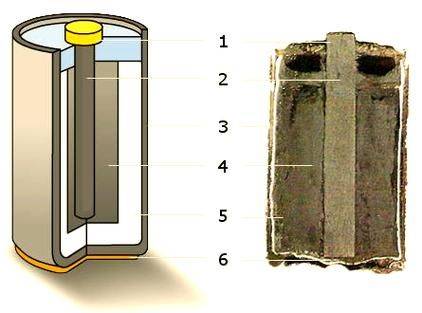
The main structures of dry batteries include:
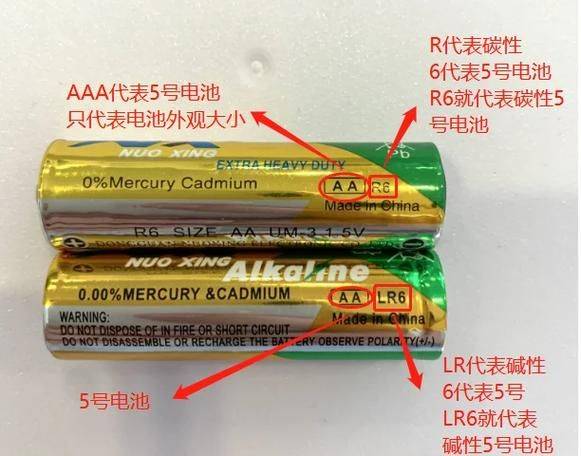
Anode: the dry cell's anode is made of zinc, and the oxidation reaction, usually based on zinc corrosion, occurs on the anode. This reaction releases electrons and ions. Cathodes: the cathodes of dry batteries are usually made of manganese dioxide. In a chemical reaction, manganese dioxide accepts electrons released from the anode and is combined with ion. Electrolyte: the electrolyte of dry cells is a solution of concentration consisting of ammonium chloride, zinc chloride, etc. It acts as a medium for the ion, thereby maintaining the chemical reaction。
When dry batteries are in normal working condition, zinc in the anode begins to corrosive and releases electrons and anion. These electrons flow through circuits to the cathode, responding to manganese dioxide in the cathode. At the same time, the anion and electronics move under the electrolyte medium and eventually combine with manganese dioxide in the cathode. In this way, a chain of electrochemical reactions is formed within the battery, creating currents and driving external circuits。
Distinction between dry and lithium batteries:
Dry and lithium batteries are two different battery types, with some significant differences in structure, performance and use。
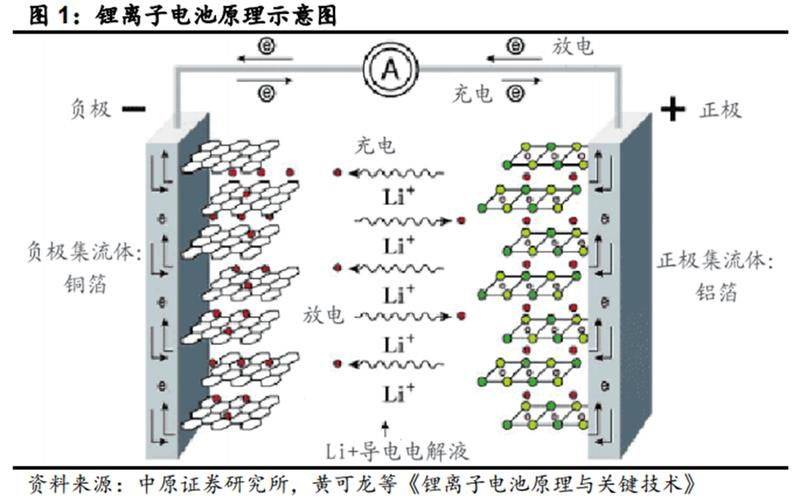
Chemical reaction: dry batteries are materials such as zinc and manganese dioxide as the main chemical reaction material, and chemical reactions are based on oxidation. Lithium cells use lithium metal or lithium compounds as the main chemical reaction material, and their chemical reaction is based on the insertion and release of lithium ions. Charging performance: dry batteries are single-use batteries, which are usually not charged, while lithium batteries can be charged through reverse current input. This allows lithium batteries to be charged and can be used repeatedly. Energy density: as a result of chemical reactions, lithium batteries tend to have higher energy density than dry batteries. This means that lithium batteries can provide additional energy at the same size or weight. End-of-life: dry batteries have a relatively short useful life, typically from months to one year. Lithium batteries usually have a longer useful life and can reach several years. Environmentally friendly: some materials in dry batteries may cause some environmental contamination, while lithium batteries are generally more environmentally friendly。
In summary, there are some differences in the structure, performance and use of dry and lithium batteries. Dry batteries are used mainly for one-time applications, such as remote controls, alarm clocks, etc. Lithium batteries, on the other hand, are more suitable for applications that require chargeable and high energy density, such as mobile phones, laptops, etc。