


What are the most common problems in pigfields and in dressing? What are the common problems and solutions in pig farms and what are the problems in the spring? The pig field problem found analysis and solutions, the choice of medicines for the problems common in the spring, the presence of rigid pigs, eight-word legs, fat milk, diarrhoea. How does it work
During pig farming, farmers often encounter a variety of problems, among which rigid pigs, eight-word legs, milk fats and diarrhoea are more common and have a serious impact on the growth and development of pigs. An in-depth understanding of the causes of the problems and the availability of effective solutions are key to ensuring the health of the pigs。
Here's a bio-fiction about the pig, the eight-word leg, the fat, the diarrhea. Solutions to common problems in pig farms
With hairy pine, bow-back constricted, brain melons, stomach round, ass point
I. Four common problems at the spring pig farm
1. The problem of rigid pigs in pigs fields
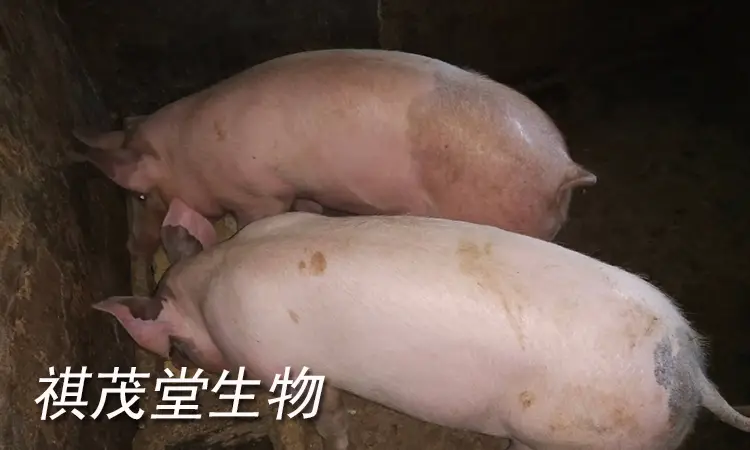
There are many reasons for slow or stagnant growth of commercial pigs, clinically manifested in hairy turpentines, bow-back constrictions, brain melons, diarrhea, ass tippings, short and rigid eating。
(1) reason for formation: 1 foetal rigidity: lack of calcium, phosphorus, protein and vitamins, micronutrients in pregnant pigs, leading to stunting in fetal pigs; premature or closely related reproduction of male pigs; indigestion, resulting from multiple hybrids。
2 milk rigidity: poor management of sows, they are milkless or weak; there are too many co-concubins and too many pigs in poor condition; and the development of pigs is hampered by late fillings。
Weaning stupendous: weaning, immunosuppression, detouring, excessive stimulation of weaning; poor quality of feed after weaning, in particular low increase in proteins; unreasonable postweaning, resulting in bullying and bullying; and premature weaning, temperature protection and other measures。
4 obsolete diseases: pigs suffer from chronic diarrhoeal diseases or other diseases that form rigid pigs; parasites are eroded in pigs and overconsumption of nutrition affects growth and development。

In the absence of infection, the mortality rate of pigs is low and not easily appreciated
In vitro parasites in pig farms
It takes about 70 days for the pig to develop into a worm, with a parasitic period of 20-30 days; and 8-22 days for the whole development of the pig aphid with a longer cycle。
Thus, the traditional 4+1 deworming model is not sufficient to control or eliminate the hazards of in vitro parasites. Pork mites are highly exposed to sexually transmitted diseases and are difficult to remove。
(a) pork mites disease is chronic, expendable and, in the absence of subsequent infections, the mortality rate of pigs is low and less likely to attract attention, but it results in the wasting of pigs, slow growth of commercial pigs and a severe decline in the rate of conversion of feed, with an immeasurable loss
Infecting the pig, the mites make tunnels and lay eggs in the skin of the pig, feed on oscillated tissues and permeable lymph fluids, severely damaging the pig's skin immune system and significantly reducing its resistance to infection; the mites are carriers and carriers of pox and erythrocyte disease
A large number of cases of acute sepsis among lactating pigs and the deaths of newborn pigs from pneumonia are related to the involvement of porpoise; this is also related to leachitis in pigs as a result of the infection of the porcelain fungi。
The typical clinical symptoms of pigs are short-term warming, severe thirst, and marked dehydration
3. Diarrhoea in pig farms
(1) epidemic diarrhea: the sick pig manifests vomiting, diluting yellow green or yellow grey water screech, the younger the age, the more visible the symptoms. Within one week of age, pigs often die of dehydration after diarrhea of 2 to 4 days, weaning pigs and fat pigs of 4 to 6 days of water, depression and anorexia, mostly recovering but stunting。
(2) infective gastrointestinal inflammation: the typical clinical symptoms of pigs are short-term rises in body temperature, acute thirst, marked dehydration, rapid fallout and increased drinking water。
Decreasing or fasting, tearing, vomiting, followed by severe diarrhoea, early as grey and watering, yellow and green excreta, often mixed with white unincorporated milk clots or mixed with blood and bubbles, stenching and gruffy. Usually died after 2-5 days. The mortality rate of pigs within the age of 10 days is higher and decreases as the age of the day increases。
(3) infection of intestinal strains: most are found in diarrhoea at the age of 15-20 days, due to the fact that there are too few beneficial microbes in the body after birth to fully absorb milk feed。
Over-ingestion or inoculation of antibiotics causes micro-ecological imbalance in the body, causing diarrhoea to be rare, mostly white or yellow, with normal body temperature and no impact on feeding。
If a pig loses 0. 5 to 1 kg of fall after weaning, it will be extended for 15 to 20 days
Four, the pig's leg
The eight-word leg of the pig is due to the incomplete development of the muscle fibres, which generally account for 2 per cent to 3 per cent of the size of the field, with a mortality rate of more than 80 per cent, and more than 3 per cent of the pig's legs warrant attention in order to detect the causes of the disease in a timely manner and reduce the loss。
This is generally due to poor quality of feed raw materials, caused by fungus toxins; genetic: the incidence of white and growing binary pigs is higher than that of trichondrial pigs; the disease of breeding disorders (pollocular virus disease, swine plague, etc.); the shortage of selenium, vitamin e, choline, etc. In pregnant pigs; and the poor treatment of slime on pigs during delivery。
Injection of the mother during pregnancy (especially in the post-pregnancy period) or some of the relatively high side effects of antibiotics, and poor or fertilized conditions of the mother during pregnancy, particularly the impact of obesity
Five, the fat one from the pig farm
If a pig loses 0. 5 ~1 kg of tungsten after weaning, it will be extended by 15 to 20 days, while a pig loses tungsten increases the risk of infection from immunosuppression。

Earnings per ton of feed added – 500g
Ii. Solved pigs, eight-word legs, fats and diarrhoea solutions
Improved management of the mother during pregnancy: provide comprehensive and balanced feeding for the mother during pregnancy and ensure an adequate supply of nutrients such as proteins, vitamins and minerals. At the same time, vaccination is provided to prevent diseases during pregnancy and to ensure the normal development of the foetus。
Disease control: periodic deworming of pigs, selection of appropriate drugs, health care and prevention at the right dose and method. Strengthen the immune capacity of pigs to prevent chronic expendable diseases. In the case of infected pigs, timely quarantine treatment is required to prevent the spread of the disease。
The recommendation of 500 g per ton of feed added to drug selection is good for health care. Vegetable sugar in profitable anthracis contributes to the proliferation of useful strains such as bicobacteria and bacillus lactate, and lowers the intestinal ph value, thereby facilitating nutrient absorption and improving the growth and development of pigs。
It can also improve the immune and anti-virus function of pigs. Increased lymphocyte conversion and cytological immunisation; promotion of the development of immune organs and increased resistance to disease。
This is provided by jinan moo hall biotech, inc., and you are welcome to comment



