


The cold winter weather, reduced pig movement, inadequate drinking water, lack of green, juicy feed, are highly likely to affect the genomic function and gastrointestinal creeping of the pig's digestive system, causing the transfer of intestine contents to be prolonged or completely inert。
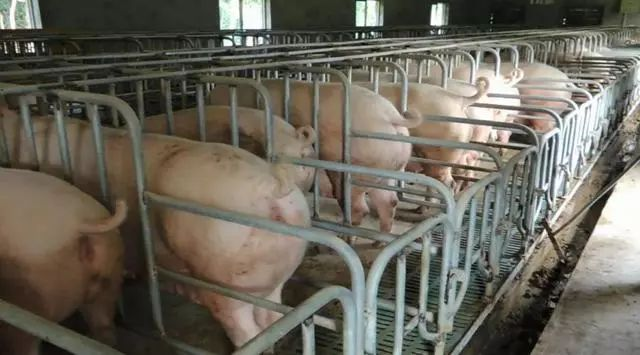
I. Reasons for the constipation of pigs
One is the impregnation of the rectum by the foetal pressure of the mother during pregnancy, which results in rectal palsy, which reduces the creeping movement of the intestinal smooth muscles, which creates constipation; the other is the lack of mobility and density of the mother, which causes constipation; the other is the lack of drinking water for the mother, especially in the rural dispersed and inhospitable pighouses, which makes it easier to cause constipation; the other is the low or excessive concentration of crude fibre in feed, the high level of impurities such as gravel and dust in feed, the lack of green fodder and the excessive amount of particles in feed; the other is the abuse of antibiotics, which at the same time have an impact on the beneficial bacteria in the intestinal tract, which causes serious discomfortification of the intestinal herds, leading to the development of a number of herrmal diseases. Porks, blue ear diseases, parasitic diseases, etc. All contribute to the constipation of pigs; seven are various stressors, such as sudden changes in the environment, reticulations, reloading, vaccinations, etc。
Ii. Symptoms of constipation
The main clinical symptoms of constipation of the pigs are: poor mental health, lack of appetite for food, difficulty in excrement, frequent bending and tailing for excrement positions, slow defecation, dry defecation, often with slime. A serious sick pig lays down and looks back on his abdomen. As the pathologies develop, the mental atrophy, the appetite disappears, thirst and thirst, the mouth is dry, the eye is full of blood, the urine is dark and small. If a pregnant pig is constipated, it can also lead to a series of biological or pathological changes such as prolonged delivery, stillbirths, low number of births, low birth weight, breastless or less milk after delivery。
Iii. Treatment of constipation of pigs
(i) refilling, detoxification, alkali balance regulation。
Injection of 10 per cent of glucose physiosal fluids by intravenous or abdominal injections of 300 - 500 ml with vitamin c10 ml twice a day for 3 - 4 days。
(ii) gastrointestinal tract management
In the treatment of the constipation of pregnant pigs, scientific medication should be used to minimize the use of antibiotics. Adding the gastrodynamic power of mother pig fermentation and bacterium fermentation to the feed of the pig, which promotes gastrointestinal creeping, increases the amount of edible, intestinal poison, addresses the constipation of the pig, etc., is very effective and can be used at any stage。
Or an appropriate amount of small soda and vitamin c can also play a role in mitigating the constipation of the pig。
(iii) mitigation of constipation
They can also be filled with liquid paraffins or edible oils of 200 - 400 ml at a time; second, with artificial salt or aqueous nitro 250 g (for pregnant mother pigs), with a wet suit of at least two times a day and fed for seven days; and third, with a warm soap water or 2% sodium carbonate solution (pregnant mother pigs are prohibited)。
Iv. Prevention of constipation of pigs
(i) reasonable daily food production
1. The feed formulation shall be reasonable. Rational formulations should be designed to meet nutritional needs at different stages and in different physiological states, according to the standards for the raising of pigs, and to provide an appropriate level of energy, with a concentration of 8 to 10 per cent of crude fibre in daily grains. The levels of impurities in feed raw materials should be strictly controlled。
It is useful to prevent the constipation of the pigs by adding 20 to 30 per cent of their daily food for pregnancy, 8 to 10 per cent of their daily food for breast milk and 2 to 3 per cent of their vegetable oil for post-partum feed。
Appropriately fed green feed. During the pre-pregnancy period, the mother is fed from 1. 0 to 1. 5 kg green feed per day and from late pregnancy and breast milk from 1. 5 to 2. 0 kg green feed per day. During the winter, the main green and green feeds are: thorium, rhinoceros, cabbage, carrots, carrots, pickles, pumpkins, etc. Green and green feed is to be shredded before feeding, mixed into other feeds and fed separately。
(ii) ensuring adequate drinking water。
The mother has to have sufficient and hygienic drinking water to meet drinking water standards. During pregnancy, the mother should have no less than 8 to 12 litres of drinking water per day and during breast milk should not have less than 8 to 20 litres per day。
(iii) appropriate campaigns。
During the 3-14 weeks of the mother's pregnancy, the mother should be given appropriate exercise. However, during the pre- and post-pregnancy period, movement is reduced to prevent abortion or premature childbirth. Conditional pig farms can be equipped with intelligent pig farming equipment to ensure that the sows have sufficient space to move freely。
(iv) strengthen environmental regulation and reduce stress。
The temperature in the mother's room should be kept at 18°c ~ 20°c in winter, and the temperature in the child's home should be increased by about 2°c. The humidity should be maintained at around 60 per cent. In order to keep the air fresh in the pighouses, small pig farms can use natural ventilation, and large- and medium-sized pig farms can use aerobic or gaseous mechanical ventilation。
(v) the timely prevention and treatment of fever epidemics。
In-house hygiene and hygiene measures are carefully implemented on a daily basis to reduce or eliminate disease. There is frequent cleaning of the faeces in the pighouses, regular cleaning of food items and appliances, and regular disinfection of the pighouses, appliances and the surrounding environment. Patient pigs are found to undergo timely quarantine treatment。



