The economic crisis was a financial and economic emergency that could seriously affect the economic, social and political stability of a country or region in a short period of time。
Historically, many economic crises have taught societies profound lessons and provided important insights into how to respond to and avoid them。
From the great depression in 1929, inflation in 1980, the subprime mortgage crisis in 2008 and the collapse of the silicon valley bank in 2023, xiaoji will analyse its causes and implications and explore how lessons can be learned to provide useful references for the sustainable development of the future economy。

I. The great depression of 1929
The collapse of the wall street stock market on 24 october 1929 marked the beginning of the most spectacular financial event in american history. By 1933, the four-year great depression had cost the united states more than $3 trillion in economic value, national unemployment had skyrocketed to 25 per cent and more than 40 million people worldwide had lost their jobs. Many families have lost loved ones and have even died of starvation in the middle of the hot winter。
Prior to that, the united states economy was in boom, but excessive prosperity and irresponsible speculation triggered a stock-market bubble, compounded by overproduction in agriculture and post-world wars austerity policies, which led to a recession. The government's response has been mainly to raise tariffs, reduce taxes and increase government spending, but these measures have not been sufficient to contain further developments in the depression。

The impact of the economic depression is not limited to the united states; it affects almost the entire western world. The economies of the united kingdom, france and germany have been stagnating, and so far the scale of this period has not been felt in any country。
The great depression of 1929 provided us with a clear lesson: excessive prosperity in financial markets and greed and speculation could lead to extreme economic instability. The government's response must play a leading role in order to achieve a rapid economic recovery。

Inflation in the 1980s
In the late 1970s, the global economy suffered from inflation as a result of the sharp rise in oil prices and excessive government currency issuance。
At this time, the united states government introduced a series of austerity measures, tightening monetary policy and raising interest rates. While these policies have somewhat eased inflationary pressures, they have also led to a slowdown and high unemployment rates。
In china, 1980 was also an important node. At that time, the government of the people's republic of china had initiated a process of reform and opening up, introducing market mechanisms and gradually easing control of the planned economy。
In the context of inflation, the chinese government has decided to implement a preservation savings measure, i. E. A preservation premium for savings on fixed-term savings for more than three years. This policy eased inflation expectations for inflation and laid a solid foundation for china's economic transformation。
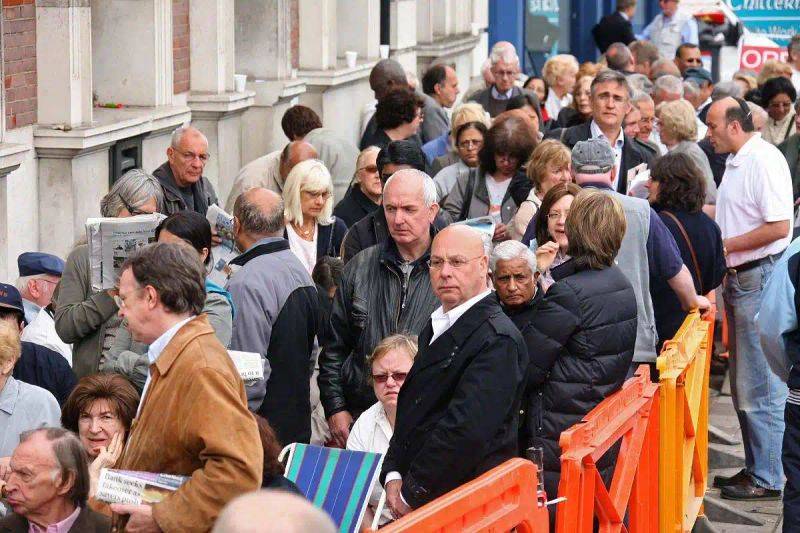
Subprime crisis in 2008
The subprime mortgage crisis, one of the most severe financial crises in recent years, has not been limited to the united states, but has spread globally。
The 2008 subprime mortgage crisis was triggered by a combination of real estate bubbles, financial innovation and inadequate regulation. In that crisis, sub-prime loans in the united states became the trigger. As banks become more flexible in their operations, bankers begin to bind these sub-prime loans together to introduce what is known as “mortgage-backed securities, known as mbs”. Initially, these securities appeared to be very attractive, spreading bank risks and increasing returns。
But things quickly become twisted. Bankers continue to create new, complex financial products, often referred to as “derivatives”, including many cumbersome transactions, which further complicates these financial products, thus generating huge profits for banks。

However, when high-risk loans began to default, the rapid collapse of those financial products led to serious volatility in financial markets. All financial markets had been hit severely, some of them even in crisis and the global economy in economic recession。
The natural result of the crisis was the requirement of financial regulation and proper enforcement to avoid those financial institutions flying too high at difficult times, thereby endangering the entire economy. Subsequently, the united states adopted a series of legislation aimed at making financial markets more transparent and stable。
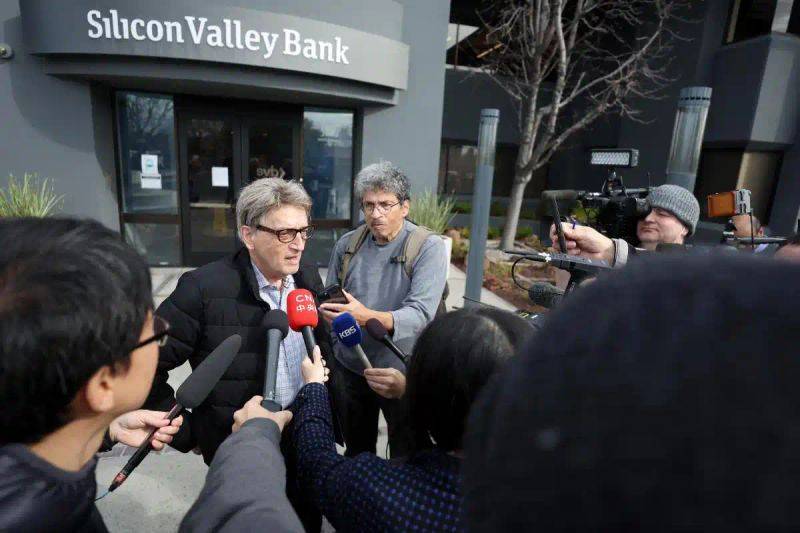
Silicon valley bank went bankrupt in 2023
Recently, the bankruptcy of silicon valley bank has attracted widespread attention. As can be seen from press reports, the bankruptcy was due mainly to the downsizing of technology companies, the economic downturn in the united states and the impact of the epidemic. Although the silicon valley bank is a small bank, its bankruptcy cases outline the problems currently facing the united states economy。
The internet and the scientific and technological industries have now become important engines of global economic growth. In this industry, rapid development and rapid change have led some firms or institutions to move slowly towards recession and bankruptcy by presumptuously seeking high returns rather than rational investment, pursuing huge profits and abandoning risk controls. The silicon valley bank bankruptcy reminds us once again that no industry is absolutely safe and that investors must maintain a clear mind, objectively assess risks and avoid excessive speculation and blindness。

Conclusion
These four events, although time-bound, have common features: credit expansion, economic bubbles and excessive investment。
These events have brought suffering and lessons that have heightened our awareness of the seriousness and importance of financial and economic risks. Failure to address those risks could lead to a series of economic upheavals and social problems that could affect the quality of life and future development of countries and peoples。

Indeed, the advent of the internet era has brought economies closer together across the globe。
We need to look more carefully at financial and economic issues and take effective measures to manage risks and prevent the recurrence of similar incidents. Only in this way will it be possible to provide a solid foundation and guarantee the sustainable development of the future economy。