Hey, guys, you know what? Sometimes, a “small cold” in the economic world can trigger global chaos. Today, let's talk about the subprime mortgage crisis that sneezes the world's economy. Don't worry, i'll try to be simple and comprehensible, just like we do when we talk, to make sure you have a clear understanding of this complex financial topic。
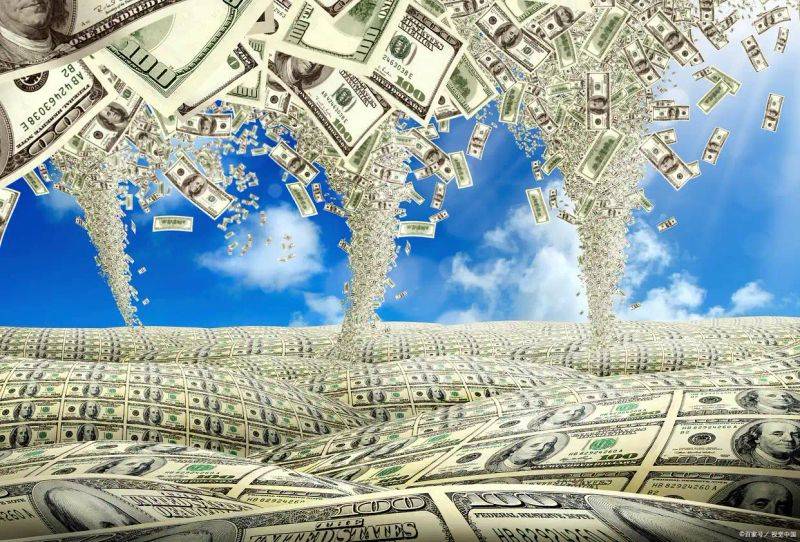
The story begins in the mid-2000s. At that time, the real estate market in the united states was on fire, as if everyone was talking about buying houses, and prices were rising. Banks and financial institutions, like finding gold mines, have come up with an idea: to give loans to people who have low credit ratings and have unstable incomes so that they can dream about housing. That sounds good, doesn't it? But the question is, why are these loans called subprime loans? Because it's risky to borrow money. What if these people don't
Banks are certainly not charities, and they have their own plans. By packaging these subprime loans into various financial products, such as bonds, to be sold to investors worldwide, risks are spread out. Investors find the return attractive, have bright eyes and buy. As a result, more money is available on the market, more houses are being built, and housing prices continue to soar, creating a seemingly permanent motivational cycle。
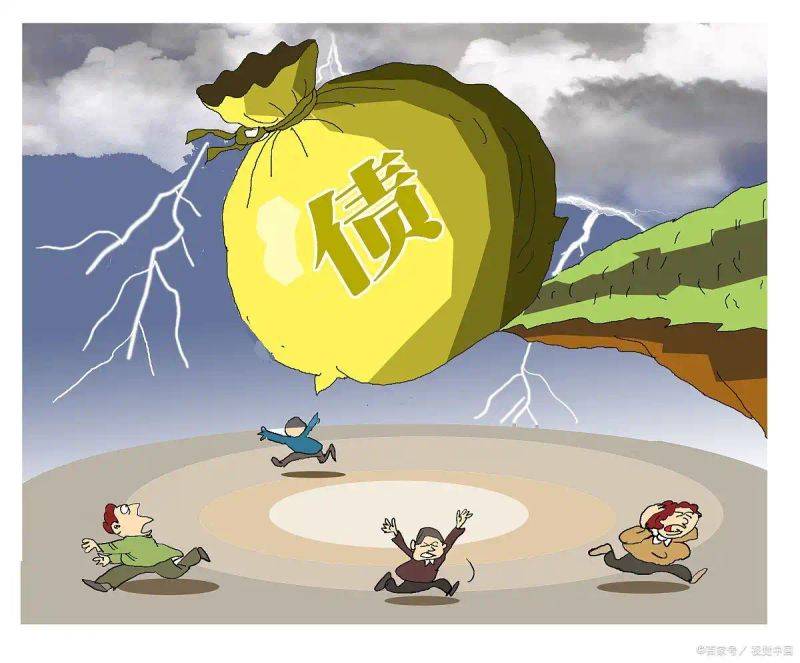
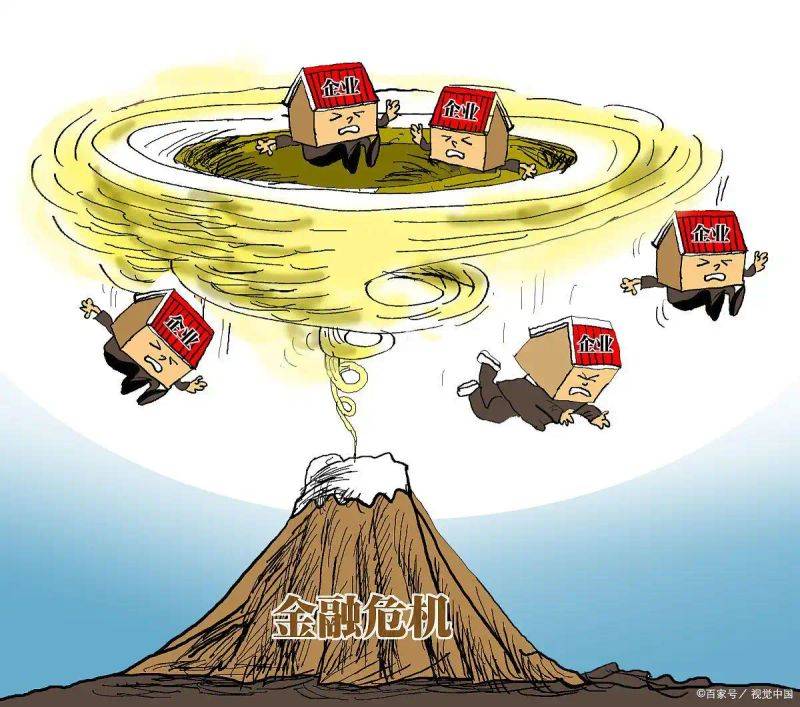
However, when interest rates rose, those who bought the loan began to find that the repayment pressure was overwhelming. More and more people are defaulting and are not making loans. It's a big problem, and the financial products that are wrapped so beautifully are turned into hot potatoes overnight and no one dares take over. Banks and financial institutions began to lose money, investors lost so much, market confidence collapsed and a financial storm swept over。
The crisis was not just a united states affair, but it quickly turned into a global economic catastrophe due to the close links between the global economy. The collapse of stock markets, bank failures, business failures, soaring unemployment and a sharp decline in consumer purchasing power. People began to cover their wallets, and the whole economic activity was like being pressed to a standstill and entering a cold winter。
The subprime crisis gave us a vivid lesson. First of all, it reminds us that, no matter how hot the market is, investment must remain calm and rational and not be blinded by high returns, ignoring the risks behind it. Second, risk management was crucial, and both states, financial institutions and individuals should be prepared to respond to emergencies and establish effective risk early warning systems. Finally, the crisis also tells us that in an era of economic globalization, the problems of any country can spread rapidly, and international cooperation and policy coordination are particularly important。

While the subprime crisis has presented unprecedented challenges, it has also led to increased global financial regulation and risk-prevention awareness. For ordinary people, understanding these complex financial events can help us to make more informed choices in our future investments and lives. Remember that there is a risk of financial management and that investments need to be made with caution so that we can learn from history and move on。