


Hi, i'm a bio-energy lover, and today i'm sharing with you the principles of biomass particle machines。
Biomass granules are small particles that process and process biomass materials (e. G., wood crumbs, straw, wheat grass, etc.) and can be used as fuel in heat equipment such as heat plants, boilers, stoves, etc。
The principles of biomass particle machines are divided into four main steps: fragmentation, compression, formation and cooling。
Step: broken。
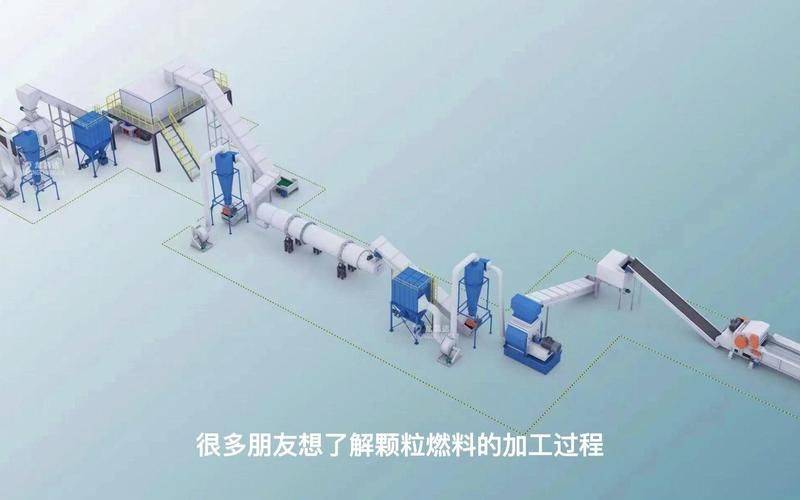
Biomass granule machines break raw materials and turn them into less granular material for subsequent processing。
This step is typically made of wood crumb machines, which break raw materials into small pieces by putting them inside the machines, cutting and tearing them apart。
Step 2: compression。
After shredding, the raw materials are sent inside the particle machine, which is compressed and converted into a tight particle form。
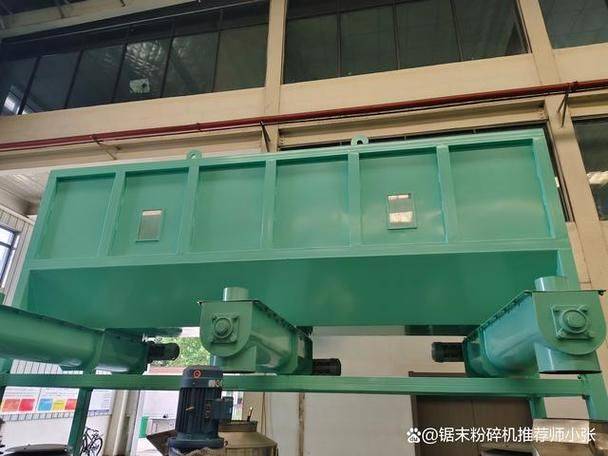
This step is a step in the biomass particle machine and requires the quality and formation rate of particles by controlling parameters such as temperature and pressure。
Step three: formation。
After compression, the raw material enters into the form machine and by acting as a mould, transforms it into particles of the same size and shape。
This step requires the selection of different moulds based on the size of the raw materials and particles, using the mass and formation rate of the particles。
Step 4: cool。
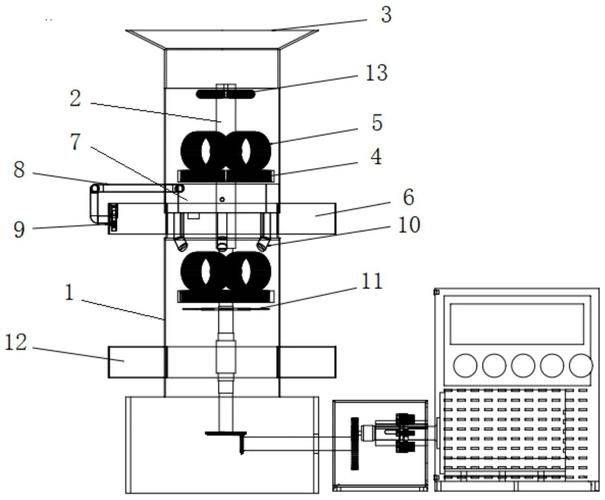
After formation, particles need to be cooled to lower their temperature below room temperature for subsequent packaging and storage。
This step is typically a cooler, which cools particles below room temperature by putting them inside the cooler and passing through cold wind or water。



