Biomass granule machines work by bringing biomass materials into the compression system through feed systems, which are compressed into granulate form by high pressure and temperature. Particle biomass materials are then cooled through the cooling system to increase the hardness and stability of the particles. The operational parameters of the biomass particle machine, such as temperature, pressure and particle size, are then regulated through a control system to achieve the desired particle mass and yield。
Biomass granule machines typically consist of feed systems, heating systems, compression systems, crowding out systems, cooling systems and control systems. Biomass material enters the machinery through a feed system, and the water in the material is evaporated under the heating system, making it easier to compress the material. The material then enters the compression system and is compressed into particles at high pressure. The particles are then squeezed out of the machine through the extruding system and cooled through the cooling system to prevent the particles from recombining。
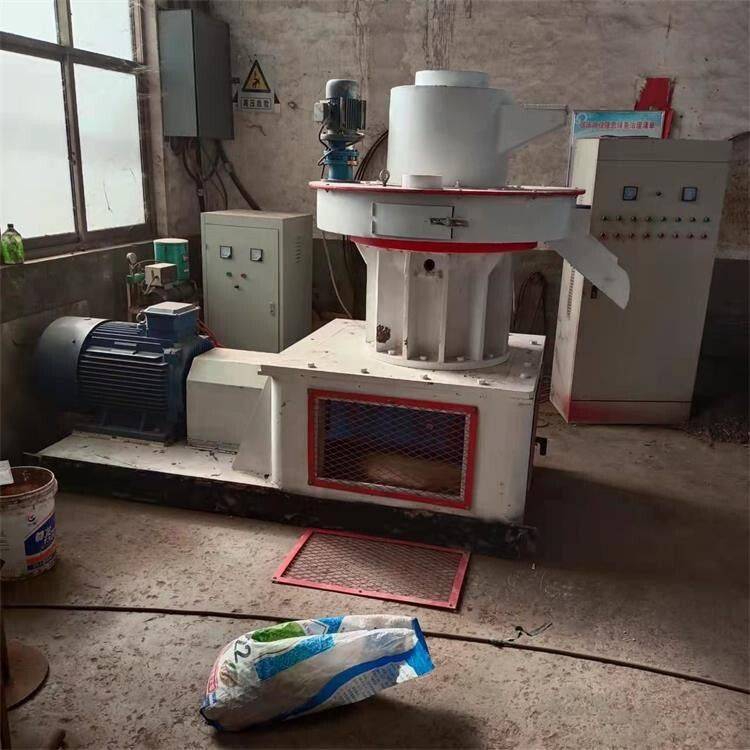
Biomass granule machines work by crushing and drying raw materials into feed systems. The feed system evenly delivers the raw material to the compressor system, where the compaction compresses the raw material and makes it dense. During the compression process, wood fibres from raw materials are broken, making granularization easier to achieve. The compressed material enters the cooling system, which reduces the surface temperature of the particles and hardens them. The working parameters of the particle machine, such as temperature and pressure, are then adjusted through an electrical control system to ensure the mass of biomass particles。