


Dove breeding methods and principles
Dove breeding is a systematic engineering that integrates genetic, biological and practical experience with the core objective of training
Prominent doves with excellent orientation, sustained flight tolerance, robust physical strength and stable genetic properties are produced. From
The value of ancient communication tools to modern competitive doves has always been closely linked to their genetic potential. Cultivation
Through scientific methods of screening, matching and nurturing, the population gene pool is continually optimized to promote the sustainability of pigeon quality
Raise。
I. Core principles of pigeon breeding
The theoretical basis for pigeon breeding is
Genetics
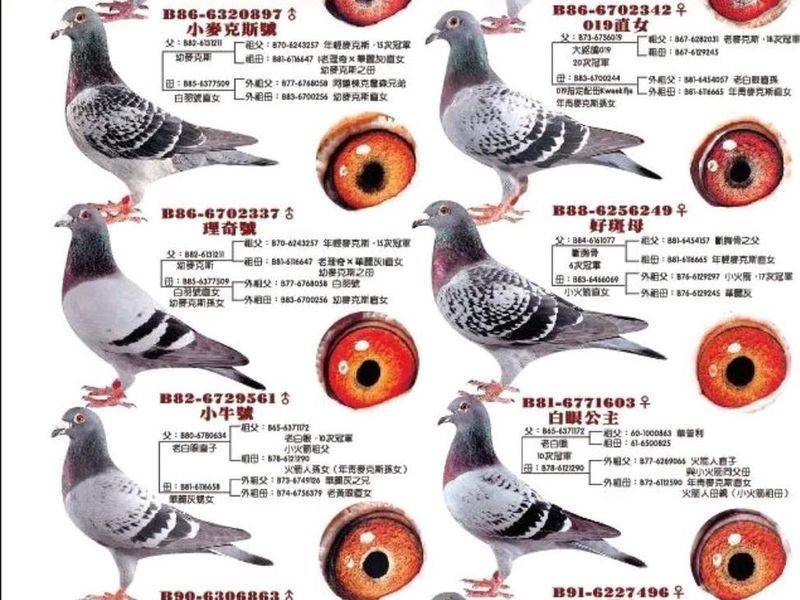
In particular, mendel's genetic laws and modern molecular genetics. Rice
These principles are a prerequisite for developing effective breeding strategies。
1.
Transmission and expression of genetic material
Every form of pigeon, like feather, shape, flight capability, etc., is inside its cell core
Dna
Take it off
Oxygen nucleic acid) decision。
Dna
It's called the specific footage
Genetic
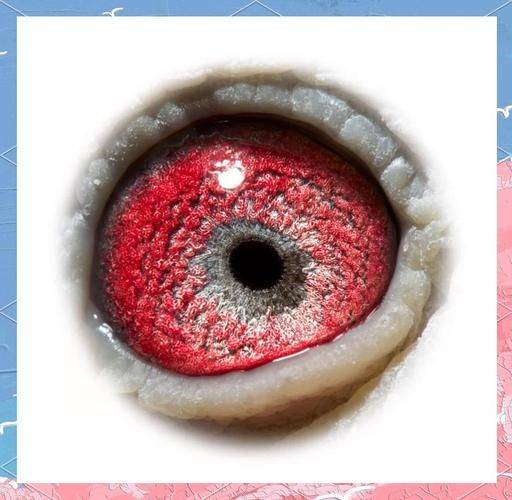
It's basic genetics that control the biological form
Unit. Doves pass genes through reproductive cells (semen and eggs) to future generations, each from both parents
Each gets half the genes。
Visibility and hidden genes
: some genes have an explicit effect in their expression, i. E., if only one of them exists
Remarkable equals, and sexual appearances, while hidden genes require two parallel genes
It's just gonna show. For example, grey feathers are usually visible to rain spots。
Equivalent genes and genotypes
: genetics in the same position as the congener and control relativeity
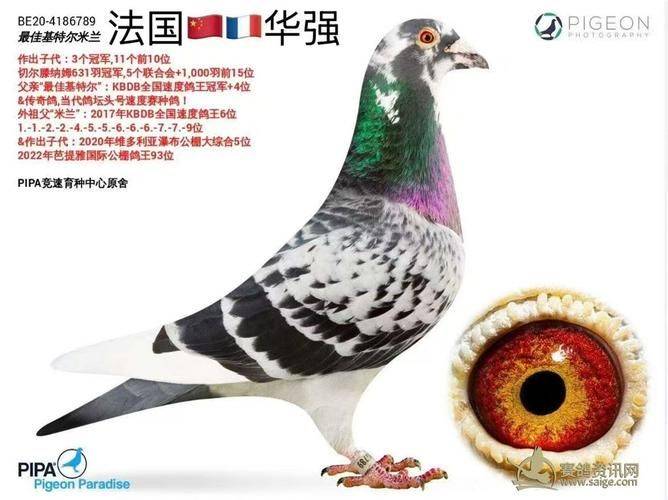
It's called the parity gene. Individual gene mix (e. G
Aa
Aa
Aa
It's called a genotype
It's called a form。
2.
Genetic variability and choice
Genetic variability is the basis for breeding. There is no variation, no room for choice and improvement。



