Guidelines for the protection of hot and hot boilers

Beijing weiboda boiler equipment
The winner
Open 100 degrees app
Scanning now
Free advice
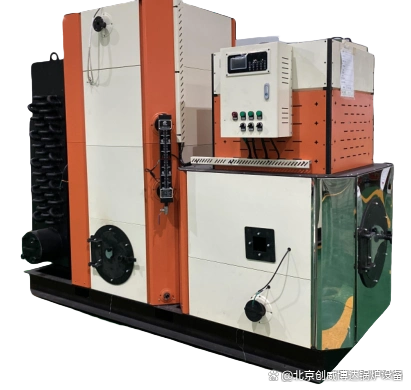
The steady operation of heating hot boilers, which are important equipment for modern household heating and the supply of hot water for living, is directly related to the comfort of living and energy efficiency. Many users are often aware of the need for maintenance only when the equipment fails, and in practice regular coverage not only increases the lifetime of the equipment but also effectively avoids potential security risks. This paper will describe systematically the importance of boiler protection and provide practical operational guidance。
I. Core value of boiler protection
1. Operational security
During the long-term operation of the boiler, components such as burners, heat exchangers, etc. May accumulate dust or produce dust, resulting in inadequate combustion or reduced heat exchange efficiency. Regular clean-up inspections can detect the ageing of seals, corrosive pipes, etc. In time to effectively prevent safety hazards such as gas leaks or abnormal pressures。
2. Upgrading energy efficiency
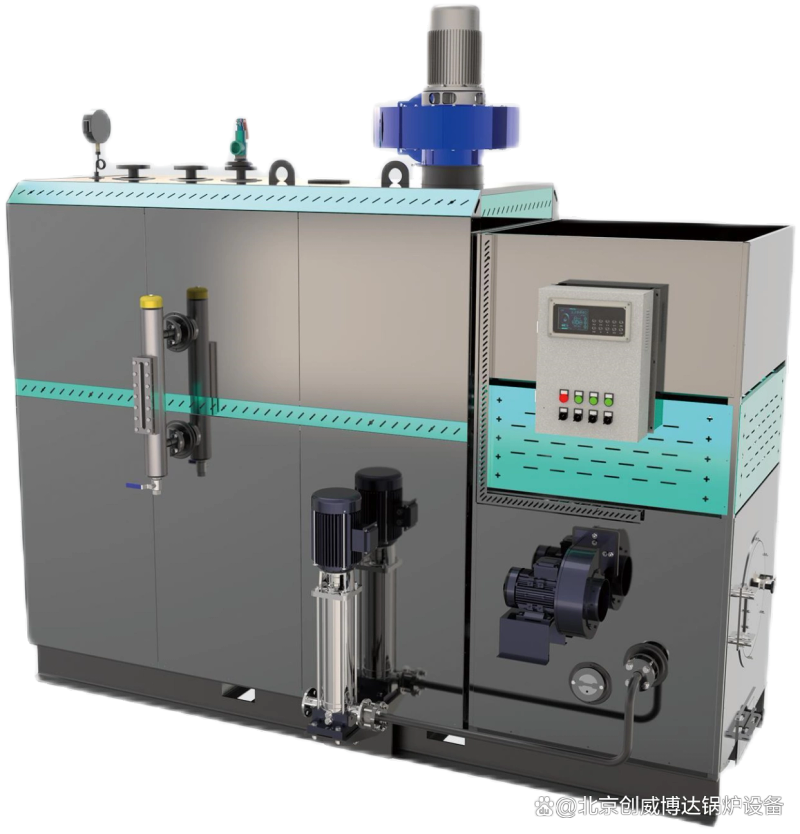
Studies have shown that the efficiency of unmaintained boilers may decline by 3 to 8 per cent annually. Maintenance measures, such as cleaning heat exchangers and calibrating combustion parameters, allow equipment to remain popular and significantly reduce gas consumption. Regularization of maintenance can save a corresponding proportion of the cost of energy per year, based on the consumption of a certain amount of gas during a heating season for ordinary households。
3. Extension of equipment life
Motion components such as internal pumps and valves of the boiler require regular lubricants maintenance and the control system requires parameter calibration. These measures reduce wear and tear of components and avoid premature failure of the main element. The average useful life can be extended by several years compared to unmaintained boilers that insist on preservation。
Ii. Operational guidelines for general maintenance
1 points for daily observation
Daily observation of whether the pressure gauge pointer is in the normal range and the flame colour should be clear blue through the observation window. The temperature regulation function is tested on a weekly basis to confirm that the water output temperature changes are normal at different sub-segregation levels. On a monthly basis, the vents are checked for congestion to ensure that there are no flammable items in the vicinity。
2-quarter maintenance projects
The following operations are required before each heating season begins: cleaning of carbon in the head of the burner and checking of the distance of the ignition electrodes; cleaning of the dust on the surface of the heat exchanger's wings; testing of the safety valves to turn off pressure; calibration of temperature sensor parameters. The non-heating season should activate the equipment at least once a month in order to prevent the stationary of the pumps。
3-year professional maintenance
Specialized technicians should be hired each year to perform excellent testing: to analyse the composition of the combustion product and adjust the empty-fire ratio by using specialized equipment; to remove the water from the pumps and add lubricant; to examine prefilling pressure in the swelling tanks; and to apply tight treatment to circuit connections. Annual maintenance shall include system sealing tests and tests with safety devices。
Iii. Identification and treatment of common issues
1 pressure abnormal treatment
When the pressure table shows that the pressure limit is below the lower limit, the automatic recharge valve should be checked for normal operation before the system is cleared for leakage points. Excessive pressure requires examination of the condition of the swelling tank, which can be judged by the presence of a water vapour mixture by the gas core of the pressure tank. Any pressure adjustment requires a re-check of the safety valve action values。
Fire failure check at 2
Frequent ignition failures should be followed by a review of whether the gas valve is fully open, whether the ignition discharge is normal and whether the flame-reception electrode position is deflected. Particular attention should be paid to the smoothing of ventilation pipes, which can be blocked by alien objects such as bird nests at the tip of the pipe in a strong-temperature boiler。
3 abnormal noise analysis
Metal frictions in water pumps usually require replacement of mechanical seals. The blast during the combustion indicated the need to clean the fire. Sustained water booming in the pipe can be addressed by re-pacing the pump or installing a hammer eliminationer. Any abnormal sound should be checked in a timely manner in order to avoid further malfunctions。
Iv. Views
1 spare parts replacement principle
Rubber items such as seals and barriers are recommended for replacement every three years. The main thermal exchanger is designed to have a long life, but large areas of corrosion should be replaced if found. The replacement of spare parts will be carried out in such a way as to ensure that the model matches and that modifications to the original structure are strictly prohibited。
Water quality management requirements
Water quality hardening should be regularly tested in hard water areas, and soft water treatment equipment should be added to the ion when the mark is exceeded. The system should use special filters to prevent impurities from entering the loop. Resolved systems should be recycled using specialized washing agents。
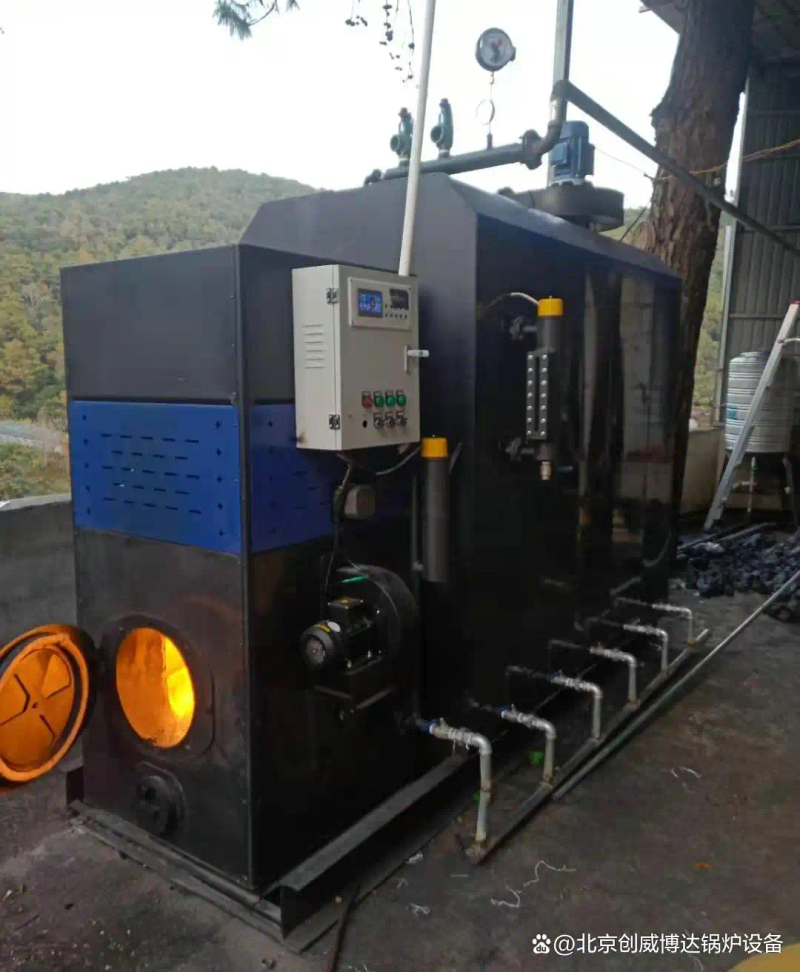
3 records code
Establishment of complete maintenance files, recording each maintenance date, operational content and list of replacement parts. Detailed documentation of anomalies and the manner in which they are handled are of significant reference value for subsequent failure diagnosis。
V. Recommendations for seasonal use
During the winter cycle, it is recommended to clean up gas filters once a month. Water should be drained from the system, all valves should be closed and power should be cut before a long-term summer shutdown. Before restarting, flush the pipes and confirm that the valves are closed correctly before firing。
Standardized professional maintenance not only ensures the safe operation of equipment but also achieves energy conservation. It is recommended that users establish regular awareness-raising and incorporate boiler maintenance into family routine management matters. Scientific maintenance plans ensure both heating and control of long-term use costs, achieving uniformity of safety and economy. It is worth noting that any maintenance operation should follow the specifications of the equipment and that the diversification of operations involving gas safety is done by licensed professionals。