In recent days, the china association for the advancement of quality by miles has issued a report on the monitoring of the quality of products and services for the prevention of theft. Seven of the 12 security-gate samples do not meet the relevant standards, with a 60 per cent failure rate. As required by the standards, the level-i security door had to be destroyed for more than 30 minutes, but some had been destroyed for just over eight minutes。
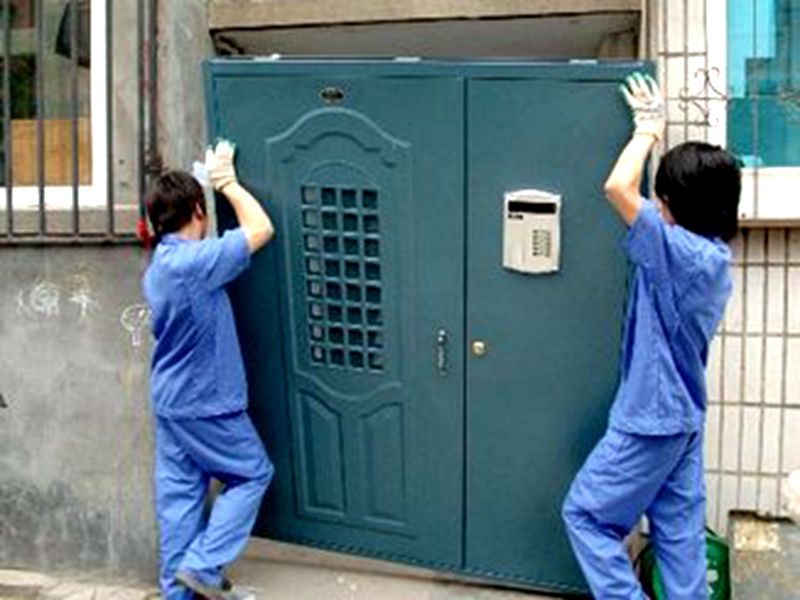
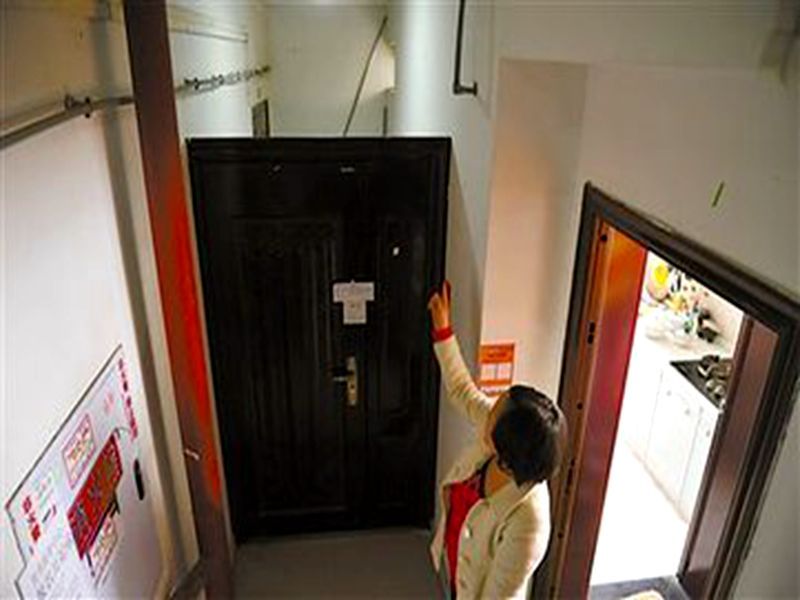
Are you sure about the burglary door
This time at the authorized direct-seller shop and skycat flagship shop, staff members of quality acquired 24-zit-a-barrel security doors and standard-c or supra-b locks, produced by 12 of the country's security firms, on a random basis, to learn about the quality security of door-steal products and the satisfaction of consumers of post-sale services. Tests from steel plate thickness and other materials thickness, soft impact performance, impact inhibitor performance, chain rotation performance, locking devices, and destructive energy showed that the results of the tests of five new brands against burglary were in line with national standards; solid, aspirational, daily, flying cloud, degenerative, sharp-billion, high-alt seven brand samples did not meet national standards and the failure rate reached 58. 3 per cent。
Consumers are most concerned about the effect of piracy. In a destructive energy test, the level a gate must not be less than 30 minutes for damage tests using ordinary mechanical hand tools, but the solid, flying cloud, deshield, sharpbillions, high-intensity, day-to-day security door samples do not meet the relevant standard requirements. Of these, the damage was the shortest, 8 minutes and 11 seconds, when the brand was called “sustained”; the second was the “breeding” sample, which took 10 minutes and 58 seconds, and the high-intensity sample, 15 minutes and 27 seconds; the day-to-day security door sample, which took only 15 minutes and 48 seconds, was destroyed; and it was hoped that the breakout would take 17 minutes and 21 seconds。
The monitoring report also covered, for the first time, after-sale services for safe door products. In the context of the “unable to contact the factory, find a solution” survey, staff members found that the “scramble”, “scramble-billion” after-sales service calls were “over and over again unattended”, and all other sales responded “if the lock can contact the lock-opening company but the costs incurred are to be accounted for separately”. In the case of the official cat flag shop, the “high-intensity” customer service states that it is “sale only and not after”. It is worth mentioning that the two companies, wang li, have full-time lock-outs in the public security sector and charge relatively low fees。
In addition, during this purchase, all samples purchased by skycat flagships were priced at a postage fee which the consumer did not have to bear; in a shop where a treasure shop authorized to sell, the consumer was required to collect and pay the postage fee, and the distributor did not send the goods; if a ticket was required, the consumer was required to pay the extra tax。
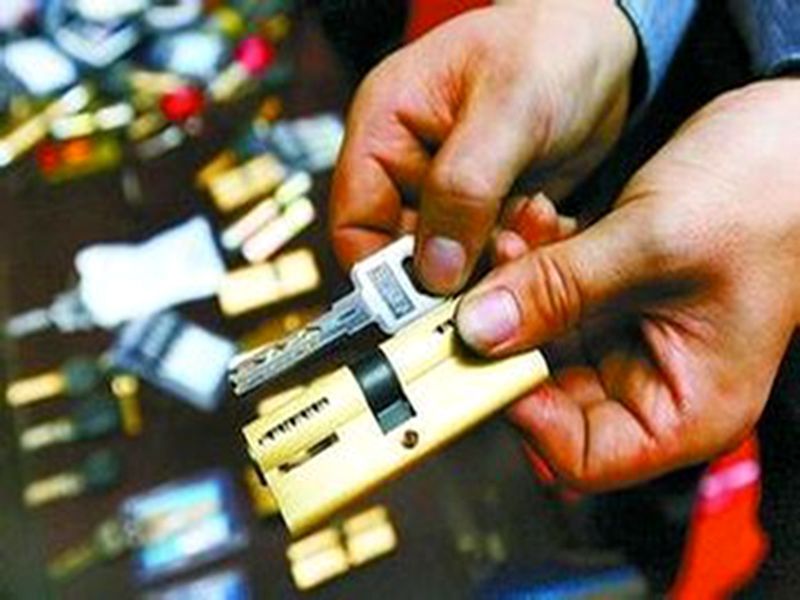
It's a four-tier security marker
The security door is called the security door for theft, meaning “a door equipped with a security lock, able to resist an irregular opening under certain conditions for a certain period of time, with certain security features and appropriate security levels”. Security doors must be equipped with security locks. Apart from the accompanying key, the security door cannot be opened easily。
There are also different levels of security against theft: the national mandatory standard, general technical conditions for security gate protection, divides the security level of the security level of the security door into those of a, b, c and d, with the spelling letters “j”, “y”, “b”, “d”, and different levels of the security door requirements in terms of the thickness of the steel plate, the resistance of the door lock, etc. Of these, the d-class gate has the lowest level of security and the a-class gate has the highest level of security. In case of damage: level a security door must not be less than 30 minutes, level b must not be less than 15 minutes, level c must not be less than 10 minutes and level d must not be less than 6 minutes。
When the consumer chooses to buy a door to prevent theft, he checks the certification of the manufacturer on the door, the permanent security level marking (a, b, c, d); he looks at the security door inspection reports provided by the operator, and checks the thickness of the inside and out of the door fan, the thickness of the door frame, locks, bolts and the configuration of the chain; it would be preferable to enter into a written agreement with the merchant indicating the type of product purchased; to maintain information such as promotional photographs to avoid discrepancies between the product and the selected commodity at the time of delivery; and to retain valid documents such as invoices for the stamping of the merchant. Particular attention is paid to whether the invoice contains a security door to protect itself from theft。