Printers (printer) are one of the computer's output devices for printing computer processing results on the relevant medium. Three indicators measure the quality of printers: print resolution, print speed and noise. How can we deal with the problems that can arise when printers are used? Next, let's analyse the issues related to the maintenance of energy printers。
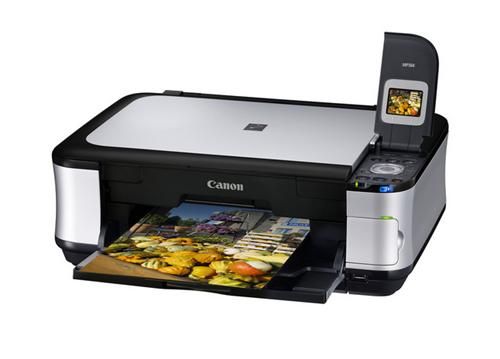
Energy printer maintenance - common faults
I. Processing of light on the printer on the open panel after replacing the new cartridge
Under normal conditions, when the ink is run out, the ink is out. When the new cartridge is replaced, the light on the printer panel is still on, and the failure is due to the possibility that the cartridge will not be installed, or to the possibility that the old cartridge will be taken off and the new cartridge will be replaced in a closed state. As the ink transfer system will be inkised by the printer following the replacement of the ink cartridge, the process will not be carried out in a closed state, making it impossible for the printer to detect the re-installed cartridge. In addition, some printers measure ink capacity using an electronic counter inside the printer to count (especially for colour ink usage) and determine that the ink is depleted when the counter reaches a certain value. During the ink replacement process, the printer will reset its internal electronic counter, thereby confirming the installation of the new cartridge. Solutions: turn on the power and move the header to the box replacement position. When the cartridges are installed, the printer is charged with inking, and when the inking process is completed, the failure is resolved。
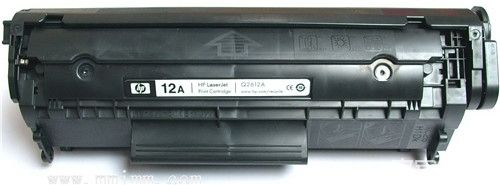
Ii: ink trails are scarce and unidentifiable when printing
Most of the failure was due to long-term unused printers or other reasons, resulting in ink delivery system barriers or nozzles. Method of exclusion: if the vent is not so stuffed, then you can do the cleaning on the printer directly. If repeated cleaning is not effective, the inkbox (for a printer whose ink nozzles are not integrated, a nozzle needs to be removed, but careful to do so) and the nozzle placed in warm water for a while, be careful not to immerse parts of the circuit board in the water, otherwise the consequences would be unimaginable, with snuffed water dripping out of snuff paper, and then wash the nozzles again。
Iii. Treatment of soft plugs
Soft blockage refers to a breakwire failure caused by the increased viscosity of ink on the nozzle for various reasons. Ink is often recovered through multiple clean-up in original cartridges, but this method is too wasteful. The simplest way is to use the empty cartridges in your hands to clean the nozzle. Before being washed with empty cartridges, the residual ink in the cartridge should be extracted from the syringe as much as possible, as clean as possible, and then added to the cleaning fluid (the spare parts market is sold). When the scrubber is loaded, it should be carried out in a clean environment, the cartridges with the scrubber will be put on the printer's normal operation and the printer's scrubbing key will be kept. Print tests are performed using the light colours of the ink in the cartridge mixed with the washing fluid, which can then be used after normal switching to a good cartridge。
Iv. Catalyst of printer cleaning pump mouths
The cleaning of pumps by printers is more problematic and is one of the main factors contributing to the plug. Printer cleaning of pump mouths plays a decisive role in the protection of printer nozzles. Upon returning to position, the jets are treated by cleaning the pump mouths with weak gas and the jets are sealed. When a new ink cartridge or nozzle is installed in a printer, the lower pump of the machine is pumped through it to the nozzle, and the more precise the mouth works. In practice, however, its performance and air confidentiality is reduced by the extension of time, by the increase in dust and ink of residual condensate in this mouth. If the user does not check or clean them regularly, it will cause a constant failure of your printer jet。
The method of preserving this component is to unload the top covers of the printer and remove it from the car, wash it with a syringe inhaling pure water, and, in particular, fully wash the pore pads embedded in the mouth. In particular, users are reminded that when cleaning this component, it is important that it is not washed with ethanol or methanol, which results in the deformation of embedded micro-pore pads in the component. It is also important to mention that inkjet printers must be kept as far away from the high temperature and dust environment as possible, and that only a good working environment can guarantee the permanent normal use of machines。
V. Processing to detect normal ink lines and marked variations in print accuracy
Inkjet printers are used with a gradual deterioration in print accuracy due to the number and length of times they are used. Inkjet printers are also viable. Usually, a new jet is used from the beginning to the end of its life, or 20 to 40 cartridges if no failure is smoother. If your printer has been in use for a long time, and the print accuracy has changed, you can try it by changing the cartridges. If you change the cartridges, the output print is the same, then your printer's nozzle will be replaced. If there is a change in the inkbox, it is possible that the ink in the ink in the cartridge you use is of poor quality。
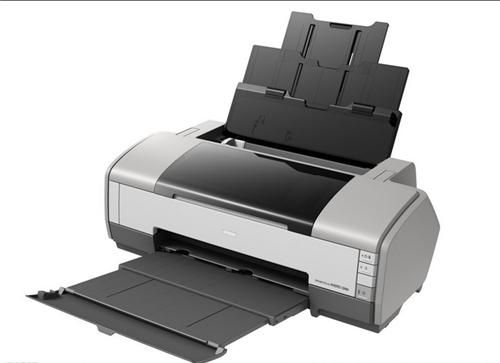
If the printer is new and the results of the printing are not satisfactory to you, there is often a lack of clarity in the print line, a slanted text graphics, a blurring text graphics, and a poor synchronization of printing out the ink control, which means that you may have purchased a false ink cartridge or the cartridges used are non-original and should be replaced immediately。
In conclusion, the matter of the maintenance of canon printers is referred to here for your assistance。