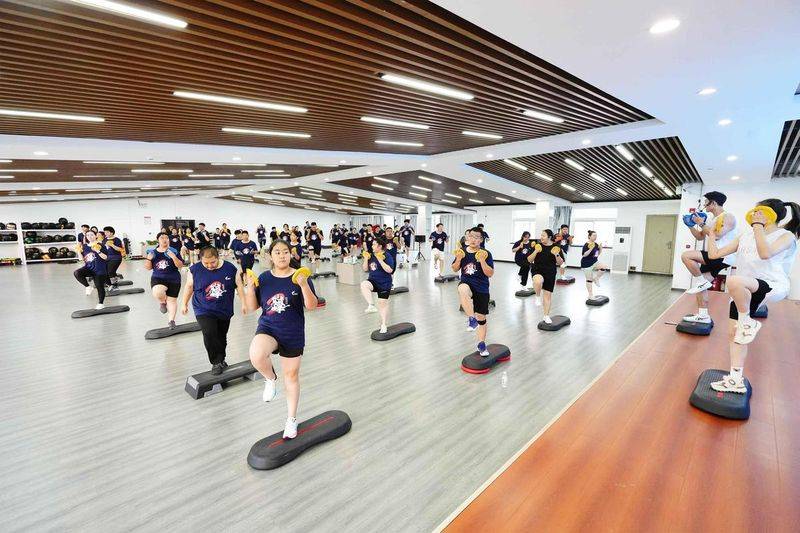
4 march, by radio france press, title: in china, the fat camps set up to combat obesity are increasing in china, and a group of young people are training in the fat camps, sweating, tired and losing weight... This is a closed training place where the dieters, for 10 months, repeat almost identical moves, work around a target and have to suspend their personal lives. In the diet camp, there are five-hour sports programmes per day, which continue seven days a week, with an intense training effort。
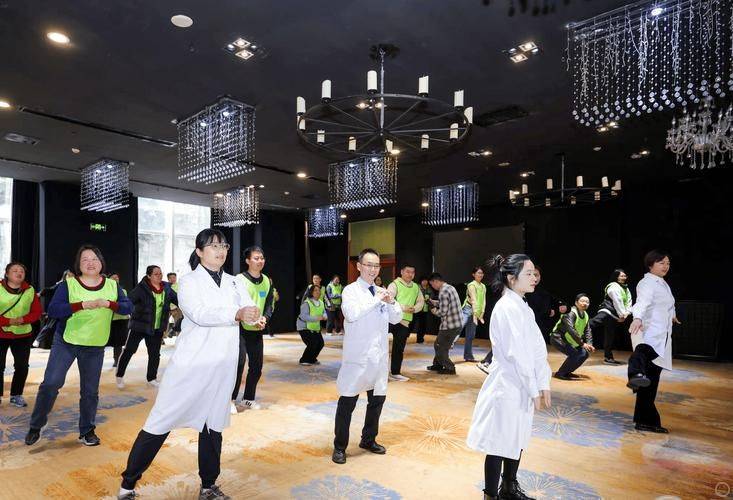
The student at the fat camp, wang ilho, said, “i was sorely weighed 330 pounds because i was injured before. I'm a football player, and i'm here for rehabilitation." another female student, rating yoo, said, "i'm an only child, my parents love me so much that i'm fat, and i've been 250 pounds since i first came here."
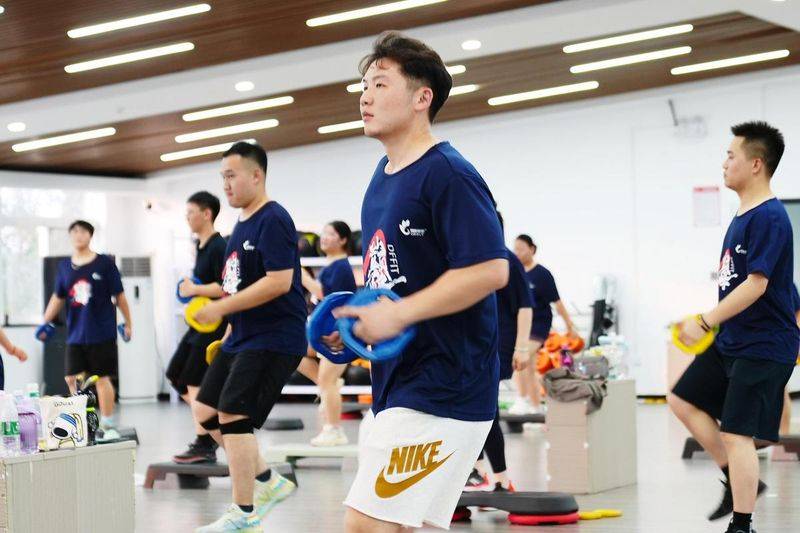
Coach han joon-shin of the fatten camp believes that the obesity of people is now “very serious”. In china, half of adults today are overweight, with a obesity rate of 16. 4 per cent. In chinese television programmes, the message is also “better and more balanced”. On social networks, many chinese are sharing their experiences of trying to lose weight。
At the diet camp, the effort began at 7. 50 a. M. A dormitory housed six students who were weighed in the same bed. The 24-year-old mine station weighed the weight: "i'm almost 8 taels light." i'm happy if i lose weight."。
In this diet camp, an average of 1,000 euros per person per month is paid and they sign in every day. Participants would also like to learn how to better mix meals, such as in canteens, where the feeding of vegetables is compulsory and cooking in a way that also requires “lower oil and low sugar”. These dieters are closely supervised by nutritionists, are very strict in diet and cannot eat outside. In the view of the participants, these meals in the cafeteria must not be of outside taste, but they have no choice but to say goodbye to “heavy salt” in order to achieve the goal of a diet. (author a. Bouday, thong's translation)