Finance is the lifeline of an organization, and only if the incumbents of key management positions are financially aware of the immediate problems in the management of an enterprise can they understand and control the risks of the enterprise through financial analysis。
Managers at all levels of the organization, especially managers at the middle and upper levels and supervisors, are well positioned to be familiar with business and know professional skills and, more importantly, have financial management skills and concepts。

Professional, business and finance skills enable managers to travel even further。
Managers, especially managers at the middle and higher levels, are generally highly skilled in their positions, growing from a new generation to a competent position, becoming the technical cadre of the team, and able to lead them in their respective roles to achieve the goals. At the same time, through internal training, the department's leaders bring their expertise to the table and form a cadre of professionals。
Managers, after three to five years of professional excellence, have gone from a general understanding of the organization's operations to a more comprehensive and in-depth understanding and more complex practice. Managers can only enter the core critical layers of the organization by doing business and learning and applying in production and marketing。

Good managers are not only proficient, involved and familiar with the business, but, more importantly, master the basics of financial management and conventional skills. For example, sector managers and above are necessarily able to read the financial statements, including, but not limited to, balance sheets, cash flow statements, profit statements, and provide data support for management decisions。
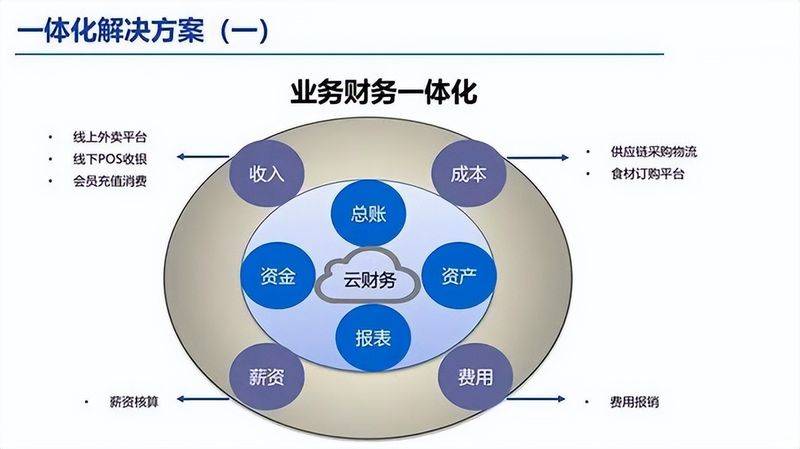
Corporate financial management systems that integrate business and financial integration solutions。
It is more systematic, informative and platform-based in the various types of management of enterprises of the same type and type and above, and the corresponding talent ladders are young and specialized. For example, normative organizations generally establish and continuously improve quality management systems, human resources management systems and financial management systems。
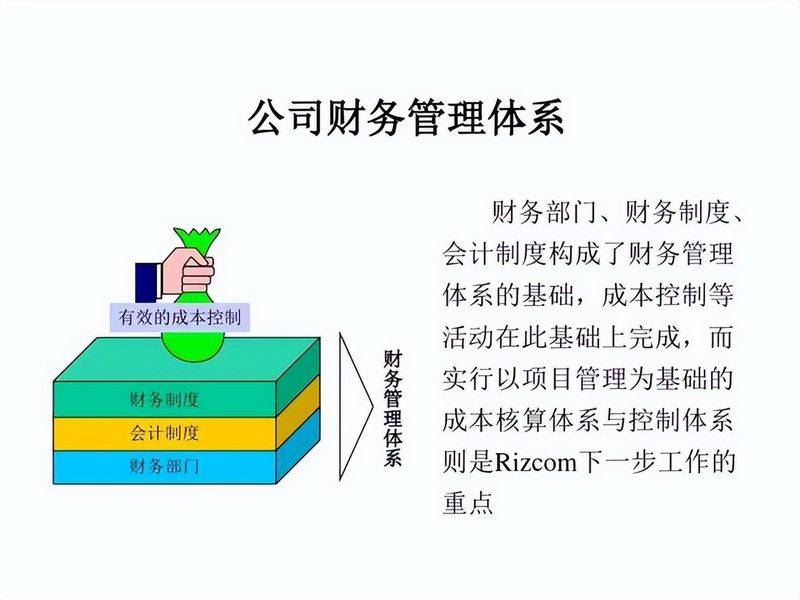
The company's financial management system, which is a financial system, includes the financial sector, the financial system, the accounting system, on the basis of which attention is paid to cost control, tax planning, and investment financing management. From philosophy to methodology, from knowledge to technology, a professional financial accounting system is developed to provide leadership with a data base for business decision-making and strategic analysis, with the help of erp-type software to integrate organizational financial management practices。
Good financial managers, based on business familiarity, provide integrated solutions for the organization, integrate offline financial data, fully and carefully account for costs and income on the cloud platform, better analyse the return on assets, pool the general ledger, produce three statements of financial output, and present the full picture of operations more clearly。
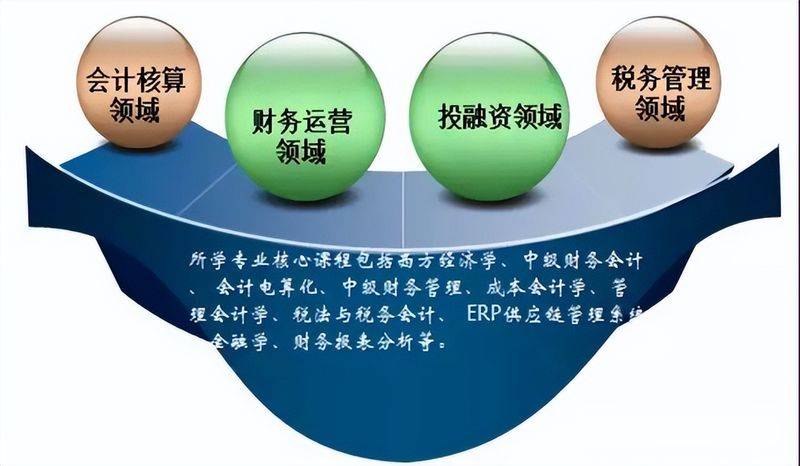
Four areas of financial management and five financial concepts。
Medium- and high-level managers should be aware of the financial management system, mainly in four broad areas of accounting:
1 in the area of accounting. Primary accounting must learn and acquire basic knowledge and skills, learn financial division, double bookkeeping, statistics and analysis of costs and benefits, and produce basic accounting statements。
Financial areas of operation. To reflect on the systems and processes for integrating financial management from the perspective of the financial services, to master the record, to guide accountants to work better, to analyse accounting data, and to make the financial statements and underlying analyses poor or bad。
Areas of investment financing. Generally, professional certified accountants, financial supervisors and vice-presidents exercise due diligence to organize new and emerging investment projects, enable investment analysis and decision-making based on industry and industry policy analysis and timely interaction with banks, securities institutions, and accounting auditing。
4. Tax administration. With respect to the various types of value added tax, income tax and export refunds, organizations are familiar with policy and operational processes and can plan in advance on an annual basis, legally comply with tax standards and requirements and avoid some tax risks。
The basic philosophy of modern financial management is based on five main aspects:
1. The concept of time value. There is a time value to the money, and the currency adds value over time。
2. Investment risk concept. Operating is affected by a variety of uncertainties and there is a large margin of error between the actual and expected earnings of the enterprise。
3. Competition concepts. The supply-demand nexus of markets and intense competition provide dynamism and opportunities for financial management, adequate preparation for investment and operation of funds, accounting, etc., and enhanced self-competitiveness。
4. The concept of capital structure. The financial resources of the enterprise and their proportional relationship should be reasonable. It is important to consider both the control of shareholders and the cost of consolidating capital and improving corporate governance structures。
5. Concept of internal control. Through a range of methods, procedures and measures, the organization adjusts itself, binds, evaluates and controls within the enterprise, ensures legal compliance with the various accounting data statements and maintains the preservation and value added of assets。
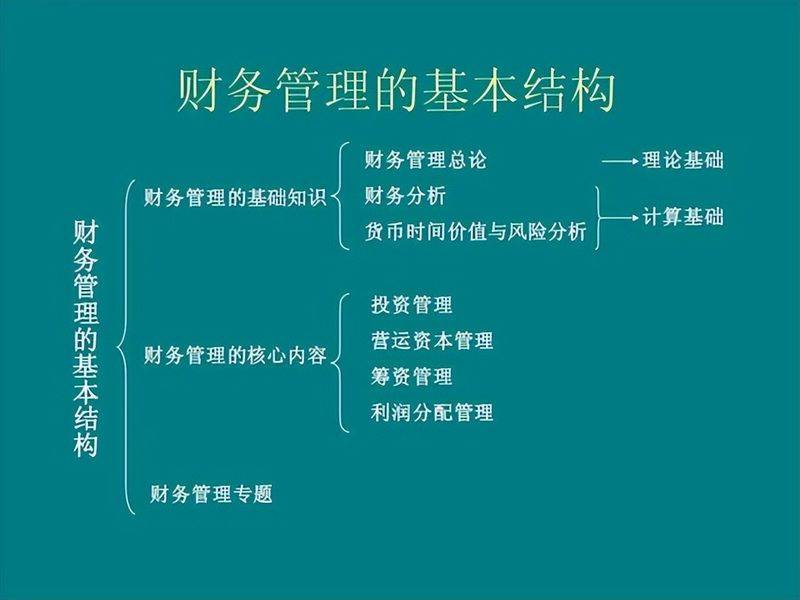
Basic structure of financial management, knowledge of financial management and applied financial skills。
The basic structure of financial management is shown in the figure below。
Managers at all levels should learn and apply basic knowledge and skills in financial management. The core elements are investment management, capital management, fund-raising management and profit distribution。
Regular structure of financial management in the organization。
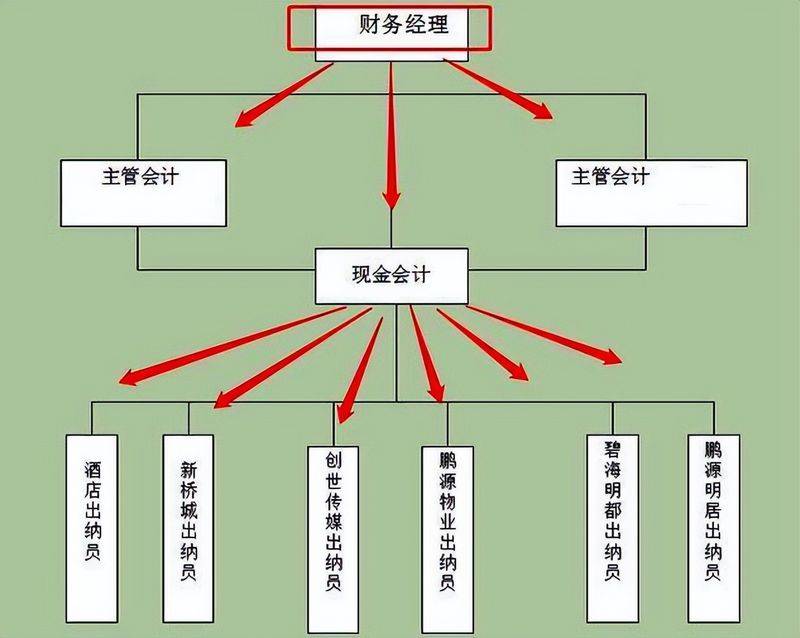
The financial management of the organization, in order to achieve the objectives of funds management, investment decision-making and the improvement of the financial management system of the organization, requires a normative financial management structure。
In general, the internal financial services of the organization are under the management of the general manager, with the establishment of the finance manager, who is responsible for accounting for a number of items (including general ledger, cost, taxation, etc.), current accounting, cashier, etc。
In group companies and listed enterprises, there will be an additional line of finance, with the chief financial officer being the vice-president, with the director of finance, the chief accountant, etc。
The evolution from financial to management accounting requires familiarity with the basic financial processes from the budget to the accounts。
Traditional finance, which refers to accounting in general, is mainly a day-to-day transaction in which accounts are kept, payments are received and some accounting statements are regularly made。
Management accounting is based on financial accounting, which increases the analysis of statements and the analysis of business results, while providing important support for decision-making in tax planning, investment, etc。
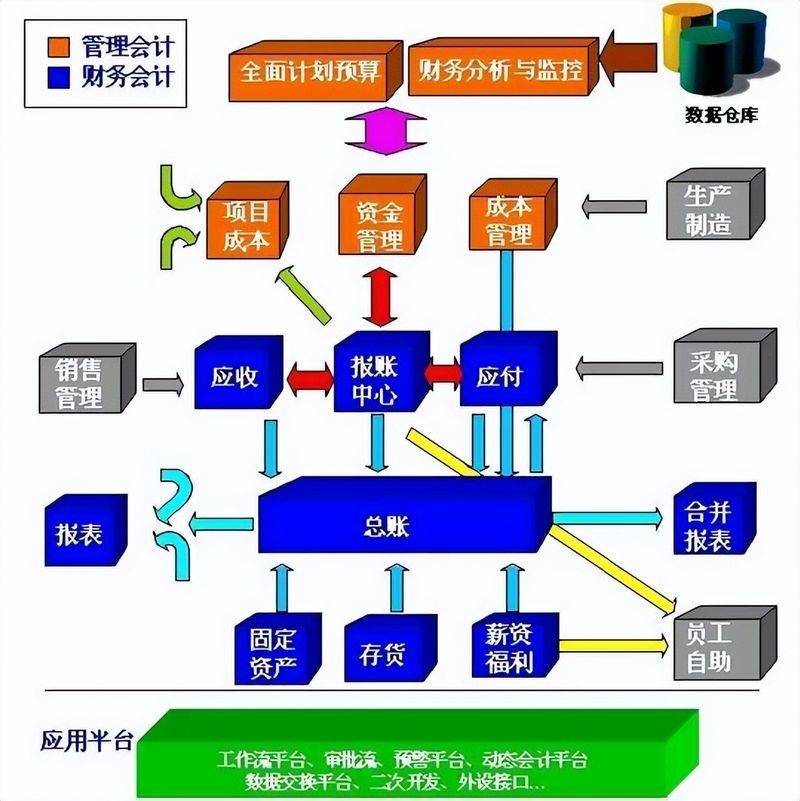
A modern organization, with more financial management systems, brings together offline and online data, statements and, on the same platform, a system integration of goods and services produced and sold, from a comprehensive budget to a cost analysis of the project, dues received, clear lists and statements of material procured, and a statement of revenue and profits from sales in terms of control of production and storage. On the working-stream platform, on the basis of the nodes, online cross-data formation reports are submitted, resulting in an approval stream, which serves as an early warning, dynamic financial data exchange platform。
Elements of change in corporate financial management in the context of digitization。
In the new era, organizational management has gradually entered an information platform and a digital transition period. Financial management has led to the integration and interactive sharing of data in the digital erp system, which is regularly based on a system-integrated balance sheet, a cash flow statement and a profit statement, reflecting all aspects of the organization's business results。
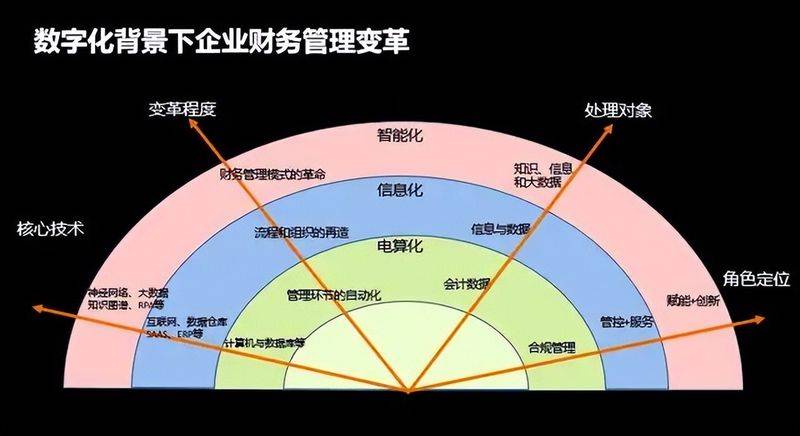
The changes in corporate financial management in the context of digitalization have gone from a low to a high level and have undergone a three-tiered evolution, namely, computerization, informationization and intellectualization. Core technological changes in finance, from computer database applications, the internet erp system, large data knowledge mapping, etc。

The change in financial management has undergone three layers of change, from the automation of the basic data management chain, the re-engineering of information processes and organizations, and the revolution in the financial management model. Financial management was initially a combination of compliance-led, evolving into a regulatory+ service until change became the financial empowerment and innovation of the new era。
Author: kwok zhonggang, founder of chi chul consultative, visiting professor, senior human resources manager。