The pmp report is an important part of the project management process, recording information on the progress, results, problems and solutions of the project. The following are some of the key elements and structural recommendations of the pmp project report:
Overview of the report
At the beginning of the report, a brief description of the background, objectives, scope, principal practitioners and the project team was provided. This helps readers to get a quick overview of the project。
Ii. Project progress
To elaborate on the progress of the project, including work accomplished, work in progress and future work plans. Tools such as gantt charts and flowcharts can be used to demonstrate the progress of the project in order to give readers a more intuitive view of the actual status of the project。
Iii. Results and achievements
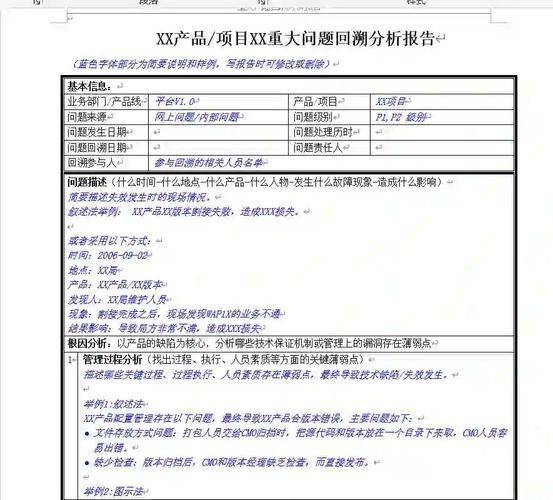
The results and gains achieved by the project, such as the tasks accomplished, the objectives achieved, the cost savings, etc. At the same time, the impact of these results on the overall objectives of the project is analysed to demonstrate its value and relevance。
Problems and solutions
The implementation of the project inevitably involves problems and challenges. A detailed description of the problems encountered by the project is included in the report, including the nature of the problems, the scope of the impact and the solutions. A description of the process and methodology for resolving the issues that have been resolved; a solution and a plan for the next steps should be proposed for the outstanding issues。
V. Risk management
Analyse the risk factors faced by the project, including known and potential risks. For known risks, a description of the response measures already taken and their impact; and for potential risks, early warning and precautionary measures. At the same time, risks are prioritized and prioritized so that project teams can focus on the most important risks。
Resource utilization
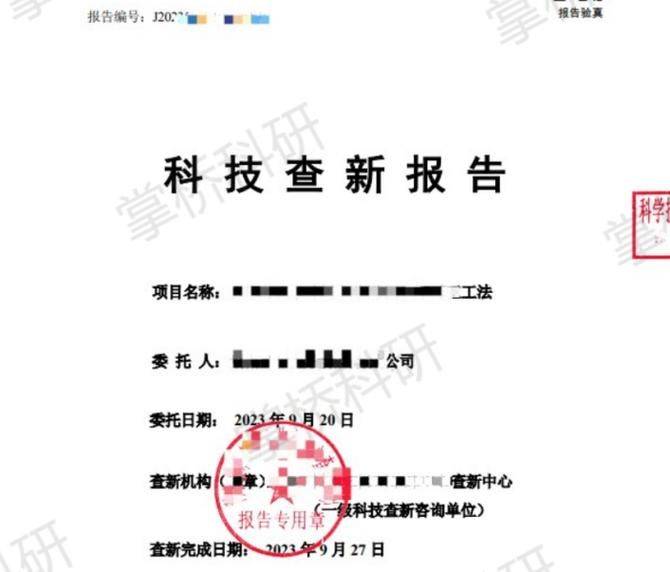
Assess the utilization of project resources, including human, material, time, etc. Analysis of input-output ratios of resources, identification of waste and deficiencies in resource utilization and recommendations for improvement。
Vii. Lessons learned
Lessons learned from project implementation, including successes and failures. These lessons are invaluable to project teams and organizations to help them avoid repeating mistakes in future projects and to improve the level and efficiency of project management。
Viii. Next plans
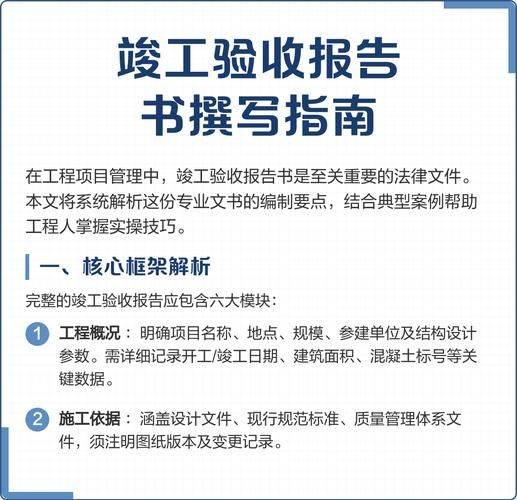
At the end of the report, a plan of work and objectives for the way forward are presented. These plans and objectives should be aligned with the overall objectives and strategies of the project to ensure that the project can move in accordance with the established direction and path。
Ix. Annex
If necessary, relevant annexes, such as project proposals, contract documents, minutes of meetings, photographic materials, etc., may be attached to the report. These annexes provide readers with more detailed information and references。
In summary, the pmp reporting is an important tool in the project management process, which helps project teams and organizations to gain a comprehensive understanding of the progress, results, problems and solutions of the project and provides strong support for its successful implementation。