


Thank you for watching; before reading, click on the word "concerned" and follow up will provide you with more valuable content。
There have been more batteries in electric cars in recent years and there are now more batteries of lead acid, graphite, lithium? How do you choose the three batteries? Which is the highest value for money
Graphite batteries
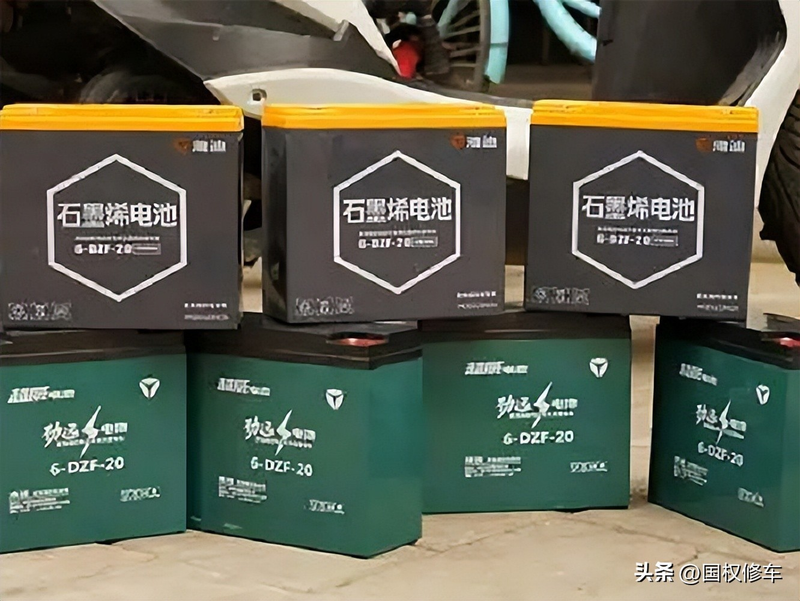
The graphite batteries have also been boiled in recent years, and many will say that they are more durable and far away. Is that true? Is there really graphite material in the graphite batteries
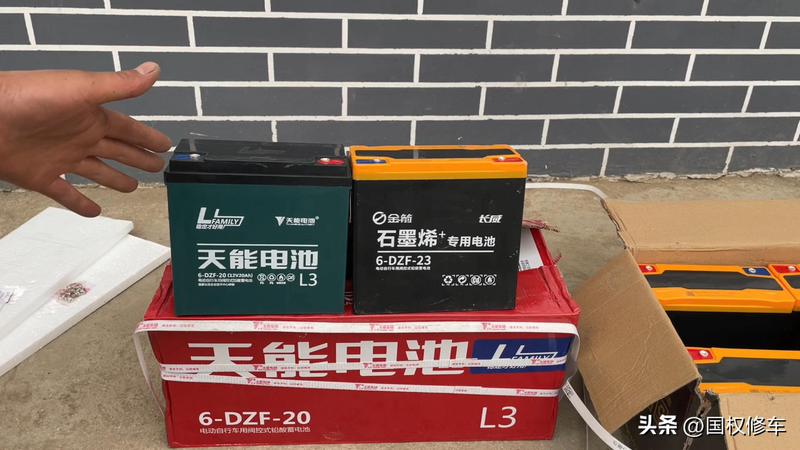
First of all, we need to understand the characteristics of the battery, which is a graphite battery, which does not contain any graphite material, but only graphite nanotechnology, which increases the density of the lead panel in the electric car battery by increasing the length of the plate, as in the case of the 20a battery, which weighs approximately 6 kg, the length of the lead plate is 1. 2 mm, and the graphite battery, which has a graphite plate density of 1. 5 mm and a weight of about 6. 7 kg, which is generally about 23a, which is called the graphite battery。
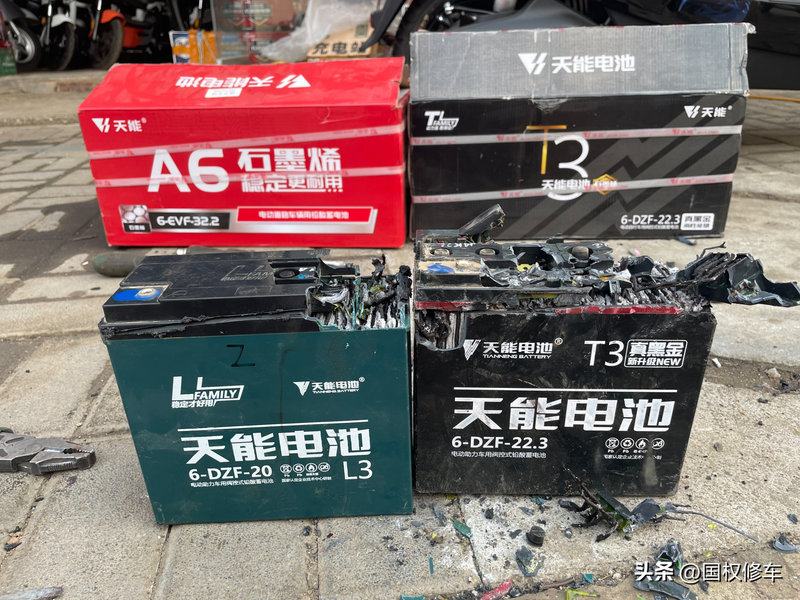
Continue
It is true that the continuation is a little longer than the normal lead-acid batteries, for example 72v20a lead-acid batteries, which generally can run 60 km, while 72v23a graphite-olefin batteries can run about 70 km。
Life expectancy
A general group of lead-acid batteries has a life span of more than two years, with 300 recharge cycles, and the graphite-olene battery has a life span of about three years, which can be extended by about one year, and 500 recharge cycles。
Lithium batteries
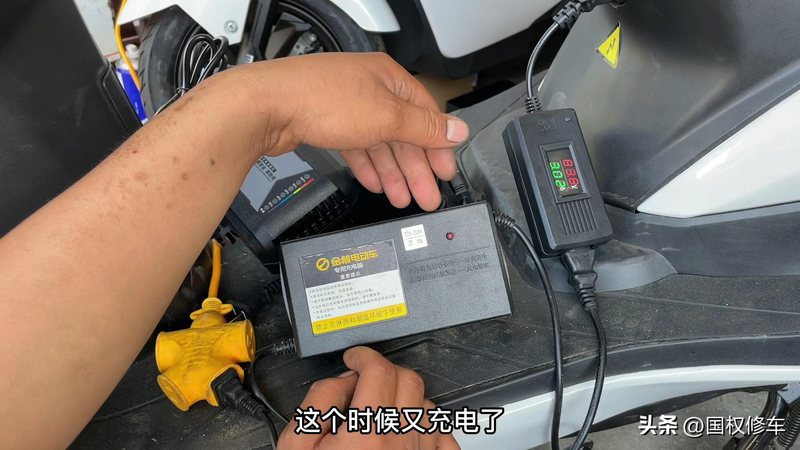
Lithium batteries have also increased in recent years, with many manufacturers directly supporting lithium batteries, or many owners wanting to replace lithium batteries themselves later, which are commonly used in two cases。
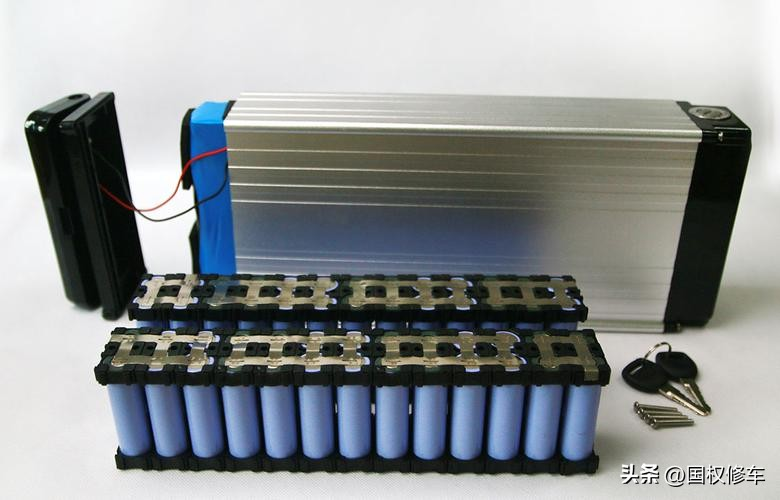
First, lithium phosphate, a battery with a higher safety factor compared to that of continuous flight, and lithium phosphate, a lithium ion cell with carbon as a negative polar material using lithium phosphate (lifepo4) as a positive material, with a single rated voltage of 3. 2v and charge-to-closure of 3. 6v ~ 3. 65v。
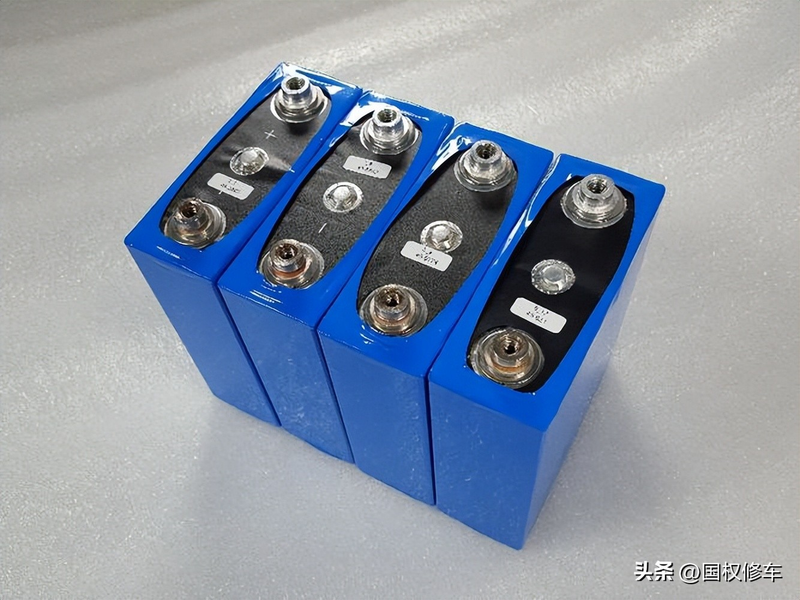
During charging, some lithium ion in the lithium phosphate is removed, transmitted by electrolyte to the negative pole, and embedded in the negative polar carbon material; electrons are released from the positive pole, and the external circuit reaches the negative pole to maintain a balance of chemical reactions. During the discharge, lithium ion self-absorption is released, electrons are released via electrolyte, and off-site circuits reach the pole to provide energy to the outside world。
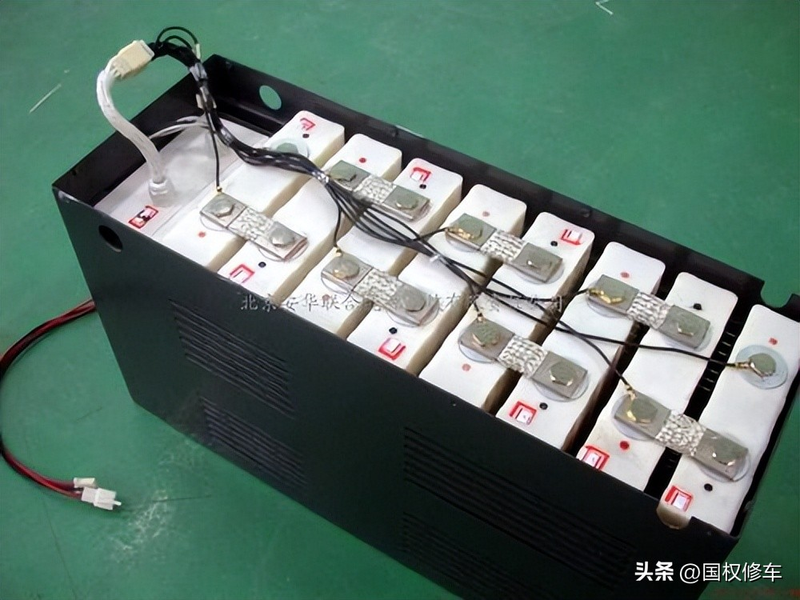
Long cycle life
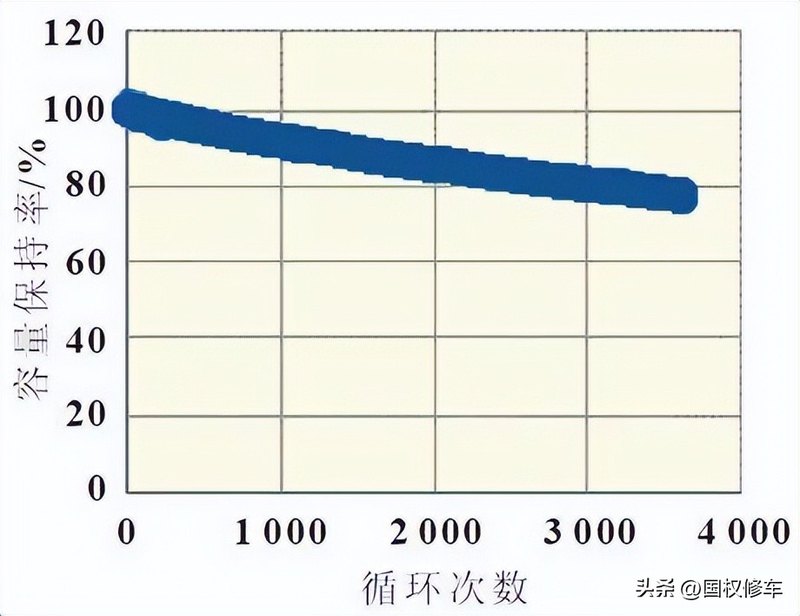
The 1c cycle life of lithium phosphate batteries is generally up to 2,000 times, or more than 3,500 times, while the storage market requires more than 4,000 to 5,000 times, guaranteeing a useful life of 8 to 10 years, more than 1,000 times the circulation life of a triple battery, while lead acid batteries have a circulation life of about 300 times. However, this is also based on batteries, which are normally protected and maintained to achieve about 2,000 cycles of life。
However, the weakness of the battery is also evident, as it is larger and heavy, and basically it is charged about 300 times, and requires a balanced voltage to make the battery more durable, and if it is not balanced, it may end up at about 1,000 times, at higher prices。
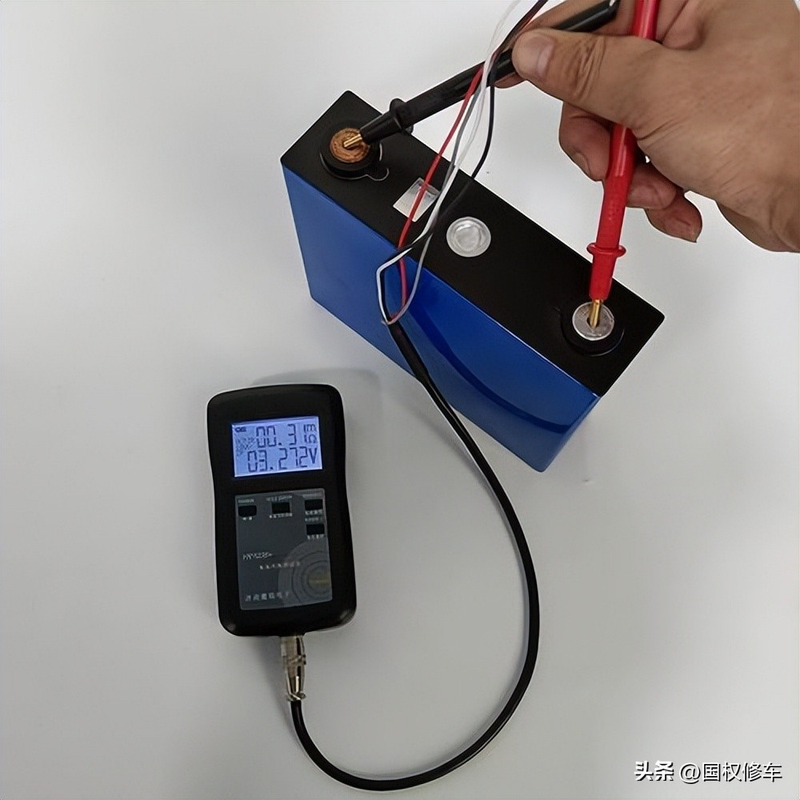
Second, the lithium battery, which was the most used on electric cars in previous years, has been reported to have exploded with lithium batteries. In fact, many of the cases have been caused by the ageing of the customer's electric vehicle circuits or by the irregularity of chargers, although there are individual lithium batteries processed in small processing plants, which may be less formal, resulting in short circuits of batteries causing explosions on fire。
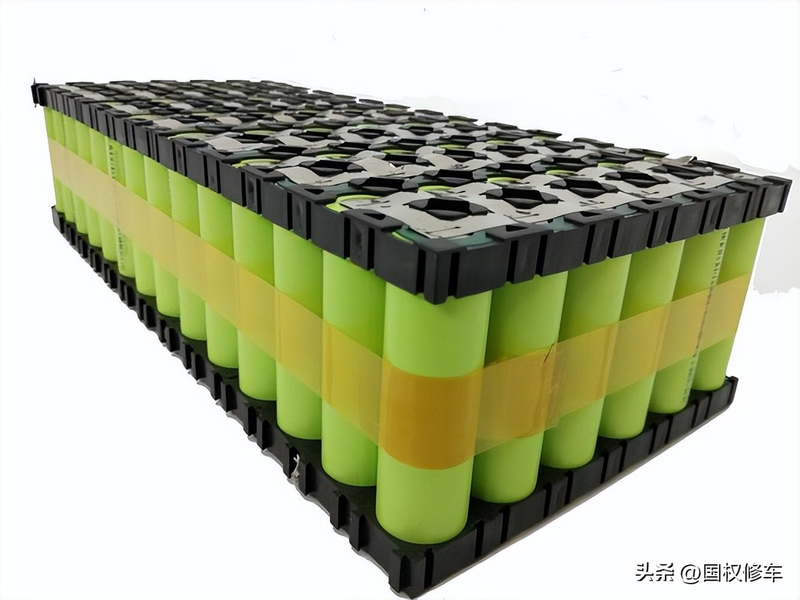
The general service life of lithium ion batteries is 5 to 20 years, with an average of 8 years. Three-dollar lithium batteries can be used in electric vehicles for three to five years. The lifetime of a tri-channel lithium battery is determined by the number of its cycles, while the capacity of a tri-channel lithium battery is reduced as the number of discharges increases. In the relevant laboratories, the three-dollar lithium battery is charged at a charge rate of 1c, and after 1,000 recharge cycles, the battery capacity falls to 80% of the new battery state. So this three-dollar lithium, usually, can be used in electric cars for about five to eight years, or 1,000 cycles。
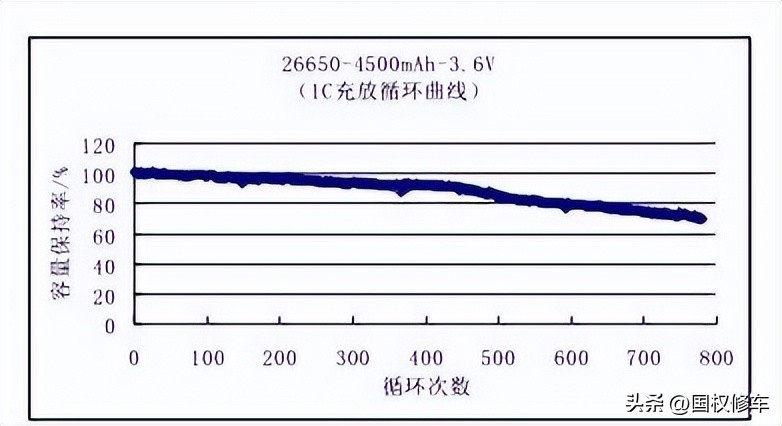
The disadvantage of this battery is mainly the low safety factor and the short cycle life of charging, which has the advantage of being lightweight, small size and better placed on many electric vehicles. The difference between prices and lithium is not really significant。
Lead-acid batteries
The current market for lead-acid batteries, for example, with a general weight of around 6 kg for 20a batteries, has a circulation life of around 300 times. If you charge each day, i. E. More than one year, it may be used for about 2 to 3 years if you do not often ride, the disadvantage of the battery is that the cycle life is broken and the constant need to replace the battery has the advantage of replacing the battery at a cheaper price, so that many of the electric vehicles on the market are still lead-acid batteries。
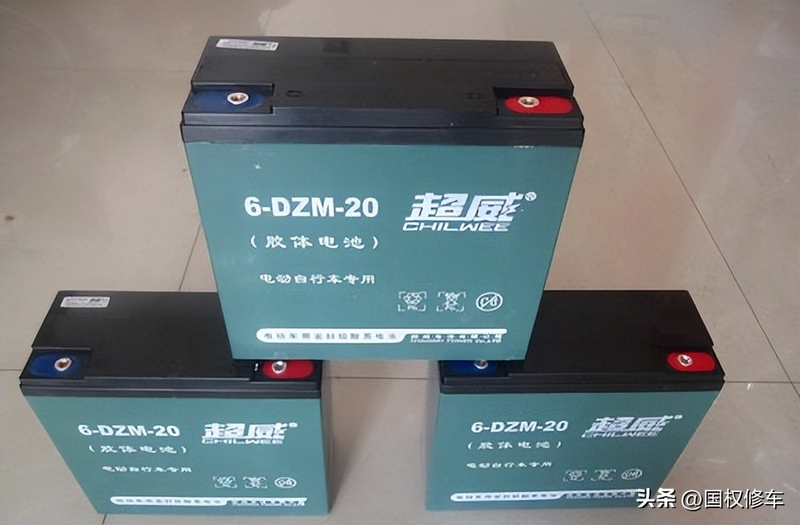
Finally, by comparison, in the case of 72v20a, the purchase price for a new battery was $700 and for a graphite battery it was $900. The purchase of a set of lithium lithium lithium batteries is worth about $2,200, a set of tridollar lithium batteries is worth about $1,900, and finally, if you change it for old, then the old lead acid batteries can go up to $300, and it can be replaced with only $400. The graphite batteries require $600. The lithium lithium is about $1,900. After all, this purchase price for a group of lithium batteries can replace 3 to 4 sets of lead acid batteries。
Seeing you here, if you have a different opinion, please leave a message below the comment area and we will discuss it together。



