At spring festivals, families buy a lot of food, chicken duck, fruit and vegetables, and so on, their refrigerators are too small, and this year's spring is too late and the weather is so warm, so how can we store so much food? Look here。
I'm a journalist
- vegetables
Vegetables: if the fresh vegetables are too dirty, they can be cleaned up in general and must not be immersed; if the vegetables are blistered, they can be dumped slightly; if the vegetables are dry, a little, but not much. When stored, vegetables can be placed in a membrane or food bag, so that they can “breath” and be fresh! When green leaves are placed, the roots are decentralized into the refrigerator freezer, allowing for extended storage times. If there is no film in the family, the leaves can also be wrapped in newspapers so as to preserve the moisture and freshness of vegetables。
In the case of green vegetables, such as bellies, garlic, etc., purchased, if they cannot be eaten at all at once, they can be packed with fresh cabbage and placed in a cool place; garlic can be placed in a bag, then hung in an indoor cavity ventilator, or sealed in a sealed bag, so as to prevent the sprouts of garlic; ginger is not suitable for cold storage and may be stored in a ventilated or sandy place, and gills may be covered in a refrigerator; tomatoes may not fit in a refrigerator, and tomatoes may be placed in a plastic food bag, put on a closed mouth, and ventilated on a daily basis, such as a plastic bag with water steam, drying with clean towels and then tightening the mouth。
- fruits
Where fruit is placed in the refrigerator, the degree of maturity of the fruit shall be determined first. In the case of unsophisticated fruits, they can be naturally fertilized without being placed in the fridge and in the cold air. In the case of tropical fruits, it is not appropriate to place them in a refrigerator。
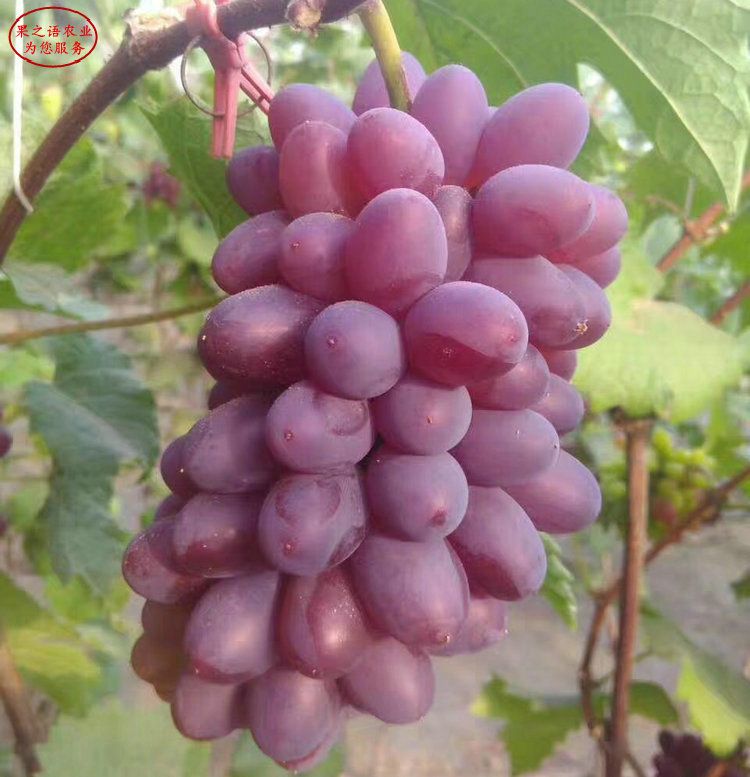
In general, temperate fruits, such as grapes, apples, pears, blueberries, strawberries, etc., are kept in refrigerators and can serve as protection. The fruits recommended for inclusion in the refrigerator are cherry, blueberries, yang prunes, strawberry, saloon, grapes, lumber mist, twigs, dragon eyes and flamingos. The fruits that can be obtained at constant temperatures or in refrigerators are oranges, olives, dates, apples, pears, lemons, watermelons, coconuts, grapefruit, ballet, citrus, sugar cane, etc. It is recommended that the fruits not be placed in refrigerators are: durian, liga, pineapple, bananas, peaches, mangoes, papayas, red hair, etc。
Do not wash fruit before it is refrigerated, but just pick out bad fruit。
- seafood
When storing seafood, fresh seafood must be selected for storage. If seafood had deteriorated and stenched, it should be disposed of in a timely manner. Seafood should preferably be packed in plastic bags, preservation bags or fresh boxes before being placed in a refrigerator, so that both the cleaning of the refrigerator and the proliferation of the smell can be prevented。
In the case of fresh fish, it would be preferable to deal with it first, e. G. By removing the intestines, scabs, fins, etc., and then wrap it in a bag; some big fish or long fish, e. G. With fish, can be washed first, then processed in batches, which saves room for refrigerators; if you want to keep shrimp fresh, you can load one of them in a mineral water bottle, then fill it with water, and if you need to eat it, open the bottle and freeze it down, so that the iced shrimp will be delicious。
Long-term frozen seafood can be followed by the placement of seafood in boxes, which can be injected into cold water and immersed in storage. It should be noted, however, that seafood should be frozen alone in order not to smell。
- meat
The raw meat purchased by citizens is large and should be stored as separately as possible for big pigs, cattle, sheep, etc., thus avoiding repeated unfrozen food. In general, frozen raw meat can be kept for six months, with only two to three days if frozen。
Meat products, such as sausages, canned intestines and dried meat, are bought home and put in a freezer and then opened. The general meat cans are stored indoors before they are opened, but the remainder of the cans should fall into the bowl, with the covering of the film stored in the freezer. The cans of meat pine or meat are opened for approximately 10 days. Cooked meat reserves can be kept in the freezer for five days, in a freezer for two to three weeks, and should be stored with halo juice, otherwise the meat becomes dry。
Young-ahn cemetery: hope the contestant enriches his life through creativity
Young-ann cemetery: let the middle-aged find the happiest thing
What if we eat after the festival
Drink yogurt after a hot pot, and then seven people get used to giving health points
It's time to open up the financial system
A record of romance and sweetness
It's easy to count six marriages that can break down
It's four taboos to clean the house