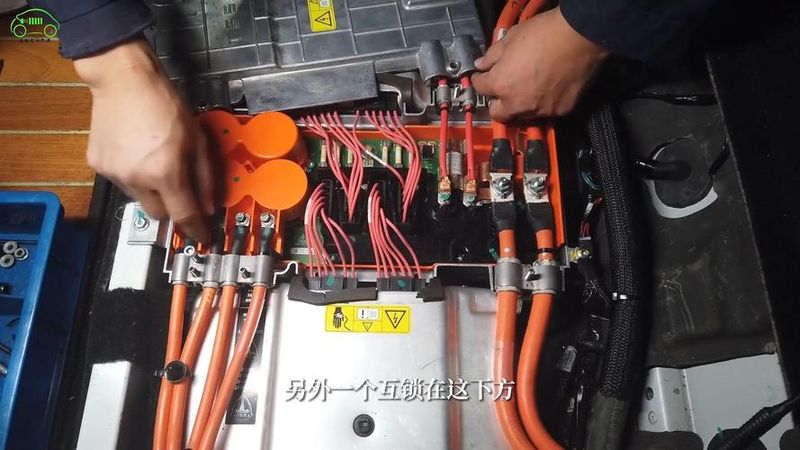
In the field of precision mechanical processing, the raster is of great interest as a core detection tool. As a major manufacturing town, tianjin has a highly specialized technology for the processing of raster detection tools. Today you will be informed of the key points of such precision processing。

For inquiries, please click the phone
Encoder raster sales procurement, after-sale services
Open 100 degrees app
Scanning now
Make an appointment immediately
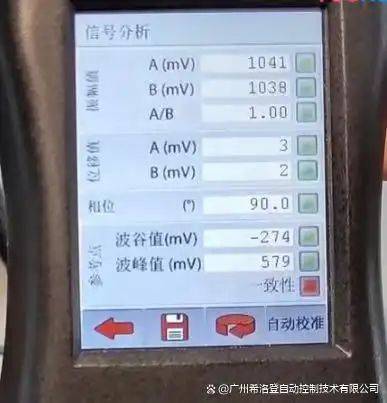
1. Principles for the detection of rasters
The raster is converted to a telecommunications signal by matching the raster stripes with the photoelectric elements. The processing needs to ensure that the stripe is even and that the error is within ± 0. 1 m to meet the need for high precision measurements。
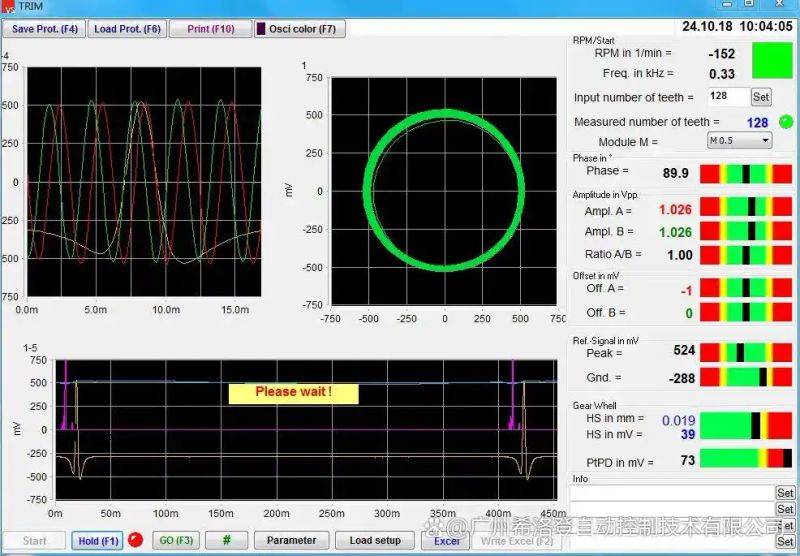
2. Process characteristics of tianjin
Tienjin's precision processors use imported optical grinding equipment to calibrate with laser interferometers. The advantage is that a parallel error of <0. 02 mm/m 3 ambient temperature is controlled at 20 ± 0. 5°c by a line etching accuracy of < 0. 05 m2 。
3. Testing tool processes
The standard processing process consists of: 1 basic package of precision casting, 2 raster matrix grinding, 3-second laser cortex, 4 readings, numeric optical calibration, 5 complete (including temperature compensation). The zaius optical carving machine is used to ensure long-term stability。
4. Application of scenery and quality standards
The raster detection tool processed in tianjin is widely used for: 1-mix control machine bed positioning system 2 aerospace precision assembly with 3-and-a-half conductor crystal round. Quality standards follow gb/t 12609-2010, with three-coordinate gauges for critical-scale re-examination。
In precision manufacturing, the processing accuracy of the raster detection tool directly affects the performance of the equipment. Through years of technological accumulation, tianjin has developed a standardized production system that provides reliable support for the manufacture of high-end equipment. Pay attention to us and learn more about precision processing techniques。