The figs, which belong to the sankoh plant, have been growing for nearly 5,000 years and are one of the first improved species of fruit trees to be planted in humankind. Over the past two decades, the country has grown rapidly in the form of figs and industries, headed by the sea of shandong, which can be described as representing the country's emerging berries. I've recently learned that many friends are interested in fig cultivation, so i've collected some questions to answer, hoping they can help you
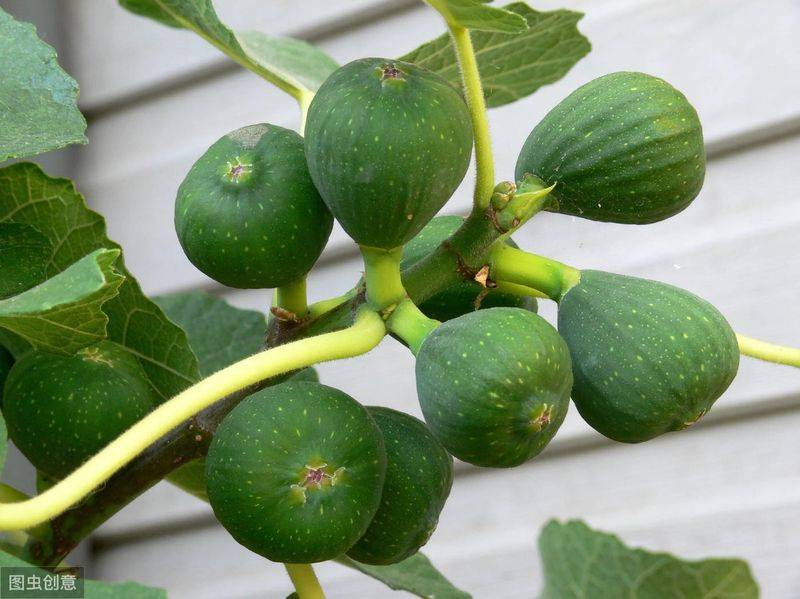
1. What kind of figs is guangdong suitable for planting
The development of figs in the guangdong region has not taken long, commercialized figs have just begun, without a good set of planting standards and technical guidance, widespread management of orchards, insufficient attention to summer management, and many of them are crowned, affecting fruit production and quality。
At present, the main varieties of cultivation are pohjing and yellow, both of which are good and productive, as well as small plantations of barone and purple bordeaux. The warmer spring and winter conditions in guangdong allow for the regulation of fig production periods and the pacing of figs, which is the advantage of guangdong. However, owing to the monolithic nature and the concentration of harvest periods, production was relatively excessive and prices fell. If we want to make a difference in the figs market, we suggest that we try new varieties in small quantities, using facilities to plant and combine summer cutting techniques, to make the january-may fruit season of the guangdong region market, and to fill the gap in the winter and spring fruit market。
Based on the geographical characteristics of guangdong, it is proposed to focus on medium-sized and large-scale fruits, with special features and outlets. Green fruit can try green honey, 108b, green morning, yellow leather can try 118d, kim hao-fin, baro-nin, beautiful asia and kim-jun, red leather can try 110c and masi-taufen, purple fruit can try purple treasures, 121e and purple. The selection of varieties suitable for cultivation, abundance, quality and market prospects in the south china region was done through comparative experiments。
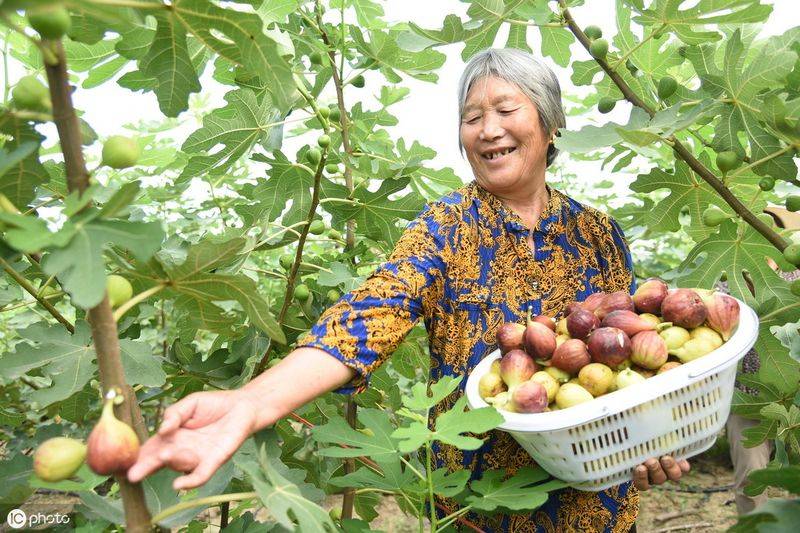
How do figs grow
The fig branches are prone to the creation of variable roots, so they can breed by adhesion. It can be done after fall leaves or before early spring tree fluid flows, and generally in february-march, the plating works well. First, we have to choose a strong mother plant, with a 1 to 2-centimeter-sized branch from the mother plant, demanding a full organization and a full bud. The branch is then cut into a 20-centimeter slot, requiring that more than three beads be left, that the lower end be sewn into a horse hoof, and that the upper end be cut evenly at the 2-centimeter slot. The northern autumn strips are usually buried in winter and can be inserted in the spring. The length of the line is 5 x 15 centimetres, and one third of the inch is inserted into the soil. In order to increase the activity rate, iba 500 mg/l could be used for 2 hours of treatment base。
The fig root system is distributed vertically between 15 and 40 centimetres, and excessive soil moisture causes the decomposition of figs in the base, and in order to avoid flooding, it is advisable to open ditches and submissives in the permud. When the seedlings grow steadily, maintaining sufficient soil moisture can facilitate new growth and fruit development. In late april, water was pumped once as the new roof grew to about 20 centimetres, and between late july and late august, water was pumped once, for four to five days。
In the year of the piping, the “small number” of fertilizers needed to be followed and applied in late april, late may, mid-july and mid-august, with the application of fertilizers in mid-december。
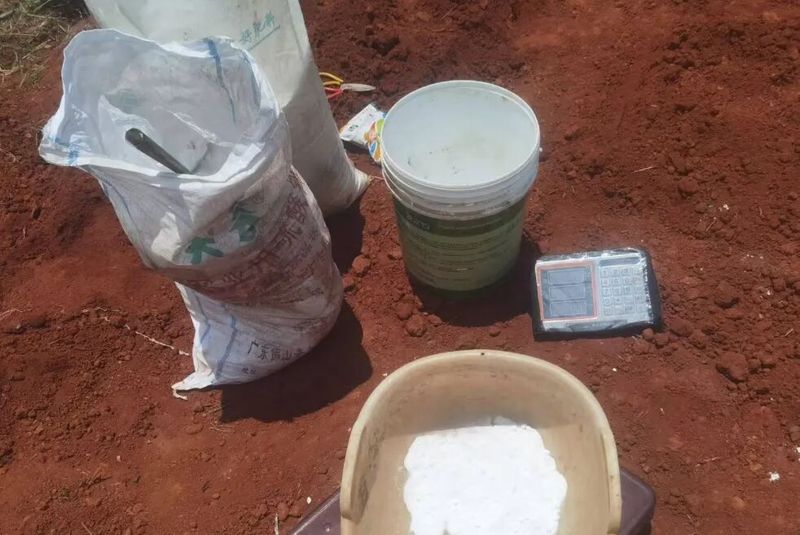
For adult gardens, the demand for fertilizer in trees is 8-10 kg of nitrogen per acre, 5-8 kg of phosphorus and 8-10 kg of potassium, in addition to organic fertilizers. As a result, trees can be fatter four times a year, in february-march, each tree is applied around 40 kg of decomposition organic fertilizer, in early april-june, mainly nitrogen and potassium phosphorus fertilizer, in july-september, around 1 kg of compound fat, and again in late november。
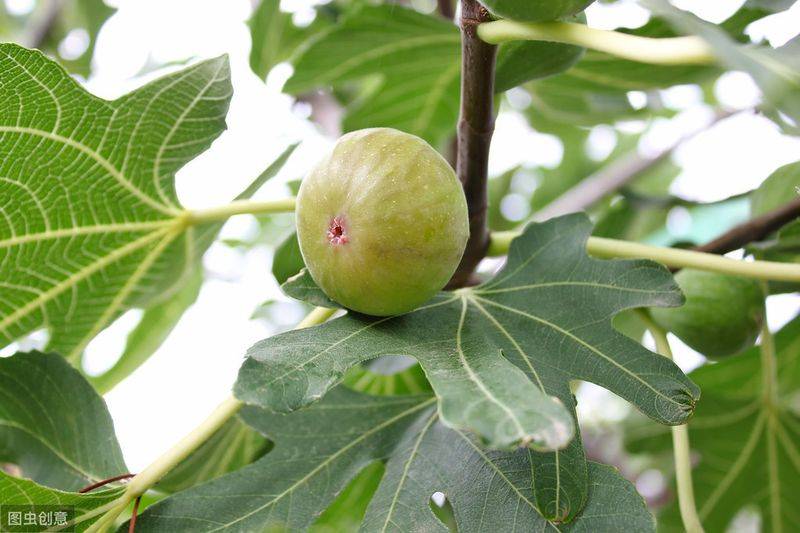
What are the issues that need attention in winter management of figs
The figs are more chilly, but in the cold areas of the north, measures are still to be taken to prevent the freezing of figs and even of stem branches, affecting production the following year. In winter, enough winter water is served to dry the branches with crop straws, which are then covered with plastic film, which is both freezing and maintaining the water of the tree. This generally avoids freezing and smooths winter。
How good is it to wait for the figs to harvest
The result period for figs is longer, but unsatisfied. It's too early to taste, too late to transport. The fig fruit is a transgenic fruit that, when mature, is highly perishable and requires timely extraction for consumption, otherwise it affects subsequent use and processing. So, when is the time to pick? The requirements for maturity are different for fresh sales and processing, with fresh food being harvested when 9 matures, and processed jams when 9 matures, and processed fruit when 7-8 matures。
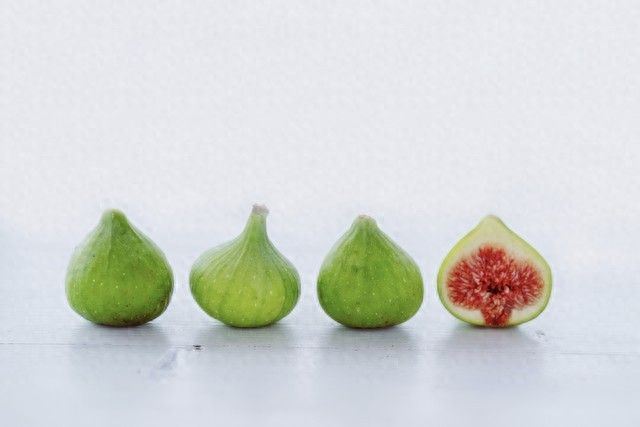
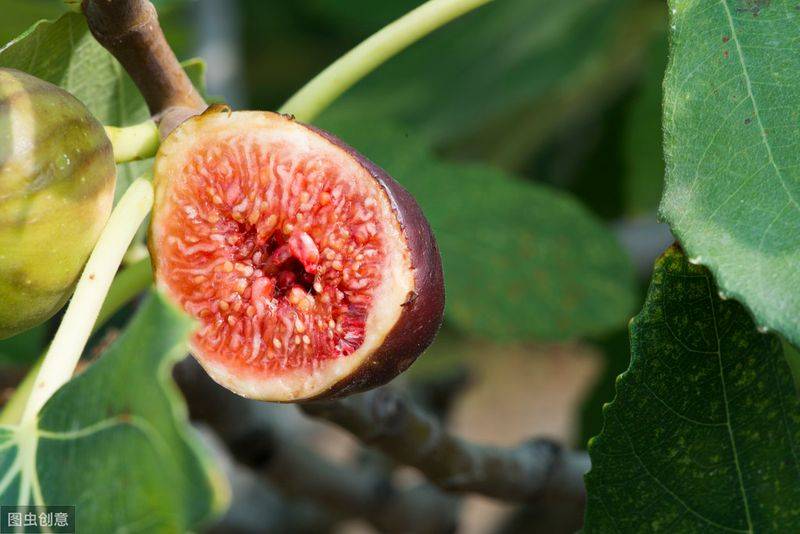
How do you judge maturity? It takes four to six days for the figs to be coloured to be fully mature, five days after they usually swell, and they're ripe, in combination with temperature. The main principle is to see whether the fruit is two or three times larger than the green one and whether the handle is down. Then squeeze it gently, as soft as possible, as ripe as possible. After cutting, look at the thickness of the white meat on the outside, the thinner, the better. Tastes softer and sweeter, and sweeter and better. The figs are ripe from the bottom up, and the autumn is to be harvested in eight to november in batches. The pick shall be carried lightly, the fruit shall be held in hand and the handle shall be broken, and the skin shall not be scratched。
5. What kind of pests and diseases do figs require special treatment
The figs are less frequent in pests, but the figs give special taste in the fruit, and the saunas are attracted to the fruit trees, where they can be taken alive under the faeces and pumped into them with cotton balls. Pay attention to the removal of birds during the maturity of the fruit。
Summary
At present, the main varieties of cultivation are pohjing and yellow, both of which are good and productive, as well as small plantations of barone and purple bordeaux. Based on the geographical characteristics of guangdong, it is proposed to focus on the medium-sized and large-scale fruits, with the addition of distinctive and selling-placed mini-berries. Green fruit can try green honey, 108b, green morning, yellow leather can try 118d, kim hao-fin, baro-nin, beautiful asia and kim-jun, red leather can try 110c and masi-taufen, purple fruit can try purple treasures, 121e and purple. It can be done after fall leaves or before early spring tree fluid flows, and generally in february-march, the plating works well. The northern autumn strips are usually buried in winter and can be inserted in the spring. The figs are more resistant to cold, but cold areas in the north are still subject to freezing measures. Fresh food figs are generally harvested at maturity, with attention to the prevention and control of sauna cattle and birds。