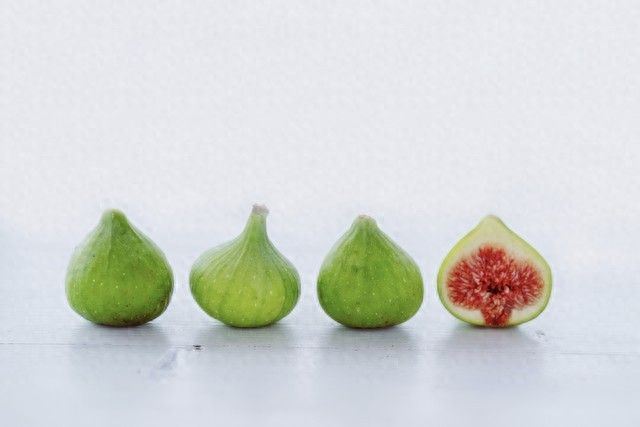
The figs, this ancient and mysterious fruit tree, which is fading from the small spots behind the front of the house and belonging to the subtropical leaves, attracts increasing attention with its unique biological characteristics, excellent nutritional health-care values and enormous market potential. The variety of figs is numerous, with more than 700 species cultivated globally and more than 110 species of seed resources collected and preserved in our country. The selection of suitable varieties is the cornerstone of industrial success and needs to be measured against a combination of planting purposes (fruit or processing), climatic conditions and market demand, shelf duration, etc。
Food staples: the primary objective of these varieties is fruit-rich, colourful, delicious and durable. Pong hong is one of the largest currently cultivated species in the country, with a single fruit of 60 to 100 grams, a high soluble solid content, a good taste for food and a good yield, and the main plant species in many productive areas. Kim hao-fin is the seeder of yellow and fresh foods, with yellow velvet, yellow and yellow fruit, with a single fruit of up to 60 - 200 grams, soluble solids of 18 - 20 per cent, high quality and colder. Green leather is a traditional feature of the shandong sea and so on. The fruit is yellow and green. It is unique in taste and abundance, but it is thinner and less durable. Stella was prominent in quality analysis, with high reduction sugar content, low drip acid content, high sugar and low acid sweeter varieties, and strong wind taste. Fred and glass performed well in the greenhouse screening experiment in dalian, not only with a high soluble solid mass (over 20 per cent each), but also with a strong pelvis, not prone to fissures and fractures, as well as an excellent commercial potential for plant cultivation。
Processed and used varieties: these are more focused on production, soluble solids content and process adaptation. Blander is a classic processing species, with long egg shapes of fruit, yellow green, soluble solids of high content, suitable for drying and sauce. Masi tooven (also known as max tooven) is big, has a combination of summer and autumn fruit, has a high yield of juice, has a low content of fruit glue and mononing, and is suitable for processing juice, subject to the high activity of polyphenol oxidation enzymes, which are processed in a colour-protected manner. Melian trees are strong, productive, medium-sized and a good seed for fresh food and dry processing。
Characteristics and anti-reversible varieties: medium-scale farmers with short-lived trees, high-yielding, low-intelligent, suitable for planting and facilities. The chinese farmers ' coolness shows a high degree of resistance to colds and can withstand -13. 7°c low temperatures, providing options for cold areas in the north or areas prone to cold springs. Japan has a purple and black vermin, a red fruit and a unique fragrance, planted in places such as kunming。
The choice of varieties needs to be adapted to local conditions. For example, in the rain-fed areas of the south, preference should be given to varieties of fruit-coated, resistant to fissures, such as frandé, glass, or rain-shield cultivation; in the cold areas of the north, consideration should be given to cold-resistant varieties or facilities development. Near urban areas can combine the cultivation of different colours such as green, yellow, red and purple, and create pick gardens to enrich consumption experience。
Although figs are known for their “brown and longness”, precision management is necessary to achieve high productivity, quality and efficiency。
Environment and parks: figs are more adaptable to soil, sandy soil and alluvial clay in acidy red border, limey sand all the earth grows, but the sandy sandy soil is good. It is radiant, fat, intolerant, drought-resistant and less chilly (generally cool - 12°c). Therefore, the site should choose a sun slope or dam with sufficient light to avoid low-lying waters. In the northern or high-altitude areas, facility cultivation (greenhouses, huts) is key to breaking cold limits, achieving safe winter and early market entry。
Reproduction and planting: large-scale production of seedlings is based on adhesion. The seedbed matrix may be mixed by 1:1:1 ratio of pearl rock, leeches and fine river sand. Injection is immersed with root powders of acetic acid or lycin, with a high survival rate of 2-3 sprouts per slot. Care needs to be taken to prevent the spread of nematode worms by embroiling in the ground. Plantation distance is generally 1. 5 m-2 m, the park can be relaxed to 2 m-4 m and tree heights within 3 m to facilitate extraction。
Orthopaedic trimming: figs are suitable for the development of a central, dry, layered or multi-strengthed natural plentiful shape, which can also form a bushy form. Precaution in larvae, elimination of top advantages and promotion of branches. When the tree canopy reaches a certain size, the main branch is shrunk. When cutting in winter, the large cut-off saws should be coated with protective agents, and the small branches can be appropriately increased to the short cutters, which are slow and dry because the fig branches are loosely organized. During the summer, the ventilation can be improved by cutting and pulling。
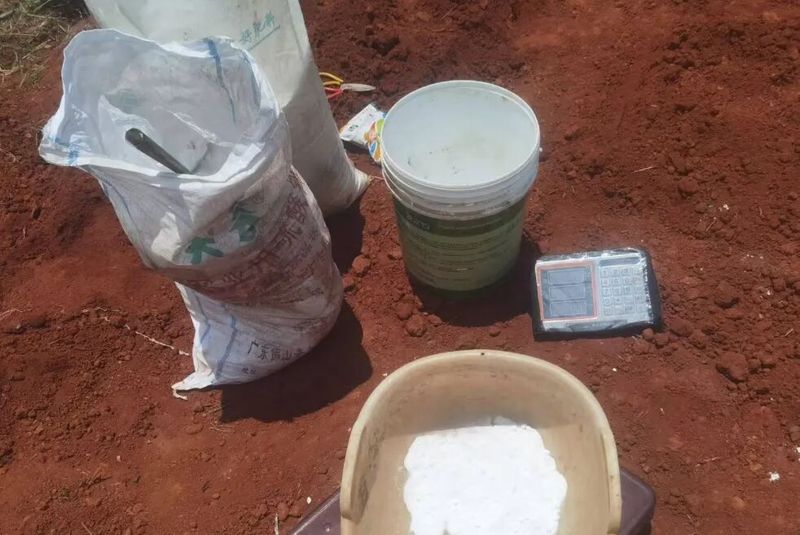
Fertilizer management: figs are more fertile and the calcium ratio of nitrogen phosphorus is about 0. 8:1:0. 8:1. Fertilizers should be buried after water has dissolved, with low surface fertilization absorption rates, preferably using fertilizer guns or drip irrigation systems. It is combined with winter farming before falling leaves and is dominated by organic fertilizer. (c) growing critical periods of fattening: the pursuit of nitrogen-based hydro-fertilizers before buds; the rapid growth of fresh and long-term fruit expansion periods, with the application of 0. 3-0. 5 per cent potassium phosphate and urea-based folates every 7-10 days; and the application of 0. 3 per cent calcium nitrate and a small amount of boron fat in case of fruit expansion, which enhances the strength of the skin and is resistant to fissures. Water supply needs to be guaranteed during the budding and pumping seasons; drip irrigation should be used to avoid fissures when the fruit matures; and the rainy season needs timely drainage。
Pest and pest control: there are relatively few figs and pests. The main pests are sanctuaries, fruit flies, anthrax, dead branches, asymptomosis, etc. The response should be “preventive and integrated”. It was found that santa fe eyes could be killed with wire hooks or blocked with drugs. The fight against the root worms requires the avoidance of old garden connections and the sterilization of trees. Anthrax is protected by spray at the beginning of the may rainy season, with the use of multibacterium, enzymes, etc. Dead branches require enhanced management of fatty water, the cutting of branches in winter, pre-sprouts of thiomers or arsenic. Asymptomatic diseases, which tend to occur when they are of high humidity, require the timely removal of the disease's fruit and its treatment with medication. When the fruit matures, the silver band or the birdnet is required to drive the bird。
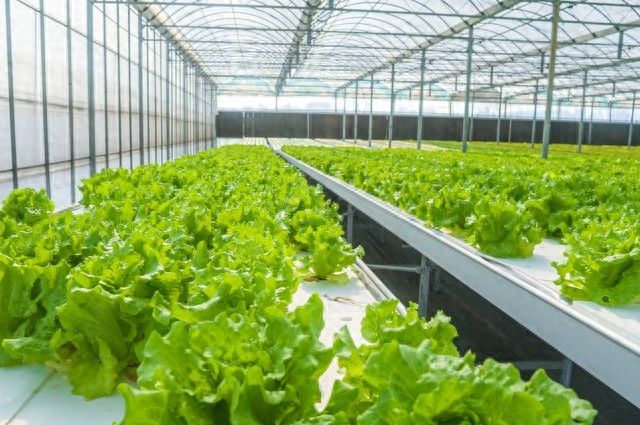
Facilities and rain-shielding: in the north, greenhouses are developed with fine temperature management. The temperature is kept at 18-25°c during the day and 10-15°c during the night after the spring warming; it should not exceed 35°c during the day. In the rain-fed areas of the south, rain-shield cultivation is an important technological tool for improving the efficiency of the fissure fruit industry by effectively reducing the incidence of disease, improving the quality of fruit and extending harvest periods。
Our figs industry has grown rapidly in recent years. National cultivation increased from less than 20,000 acres (approximately 1333 hectares) in 2012 to nearly half a million acres (approximately 333,000 hectares) at present, and even more this year, with cross-border development. Nevertheless, it is equivalent to only one in 1,000 apples, and about 250 in citrus, which is one of the smallest fruit tree species cultivated in the country, not to mention in contrast to blueberries。
Main main plant varieties: poky red is the largest crop of fresh food grown in yunnan, is the largest in the country, is the fruit-fruit, sweet and sweet, is the most adaptable, can be grown in the open, / the main production area can be grown in yuanyang, luyan and other areas, 7-11 months of pick-up, the opposite season can be may, the market is high, fresh fruit and all-manufacturing; the green, green, sweet fruit and sweetness, etc., are the largest in yunnan; harvests in november, the mid-autumn state day market, suitable for fresh food and processing; the stella fruit type is smooth, fertilized, cloudy, and cloudy in many places, the summer fruit matures after july, autumn and august, the hot gate has grown in recent years; and the palanha fruit is grown in late months, autumn and autumn, 8-10 october, and is suitable for crop and processing。
Specialty varieties: kim proof, masy toofen, blanc, kim proof in late july, masy toofen in august, blanc in july, and xinjiang in early yellow ready for drying; black sky mission, red honey, sugar, hardy, chuacho, glass, black lebanon, purple bordeaux in courtyard / tourist garden in lebanon, each with a sense of specialty, such as glasy juice, purple bolsy. The pick-up period is concentrated in 8-11 months。
Yunnan market and plantation status: yunnan relies on the climate advantage to achieve the year-round wrong supply of figs, and yuanyang dry and hot valley came on the market in december - the following year in late may to fill the market gap, with fresh fruits for local traders, electricians, partially processed dry and jams. Today, poky red, green pi and stella account for more than 80 per cent of the province's area of cultivation, with small varieties being picked mainly by specialties, and overall market demand rising year by year, with significant planting benefits。
Meglan (são josé maglan): trees are strong, extremely productive, fruit greasy with strawberry sauce, yunnan dry and hot valley 7-october mature, fibrosis, suitable for rain avoidance。
Emita: spain's late-cooked varieties, extremely productive and fissure-resistant species, deep-cut fruit and honey, fragrance of milk, and yunnan's harvest in august-november require sufficient temperature。
Buzz's favorite: the representative of the black fruit in spain, with thin sugar, confectioned sweets, strong fissure resistance, maturity in july-september, high-end fresh food。
Basque: deep purple, wine and red fruit, sweet and juicy, small fracking fruit, combined summer and autumn fruit, and continued maturity from july to october。
Rain green (american white): yellow red meat, extremely productive and resistant, maturity in august-september, suitable for the high-altitude light regions of yunnan。
Kk (black horse kk): black horse family top-class varieties, purple nectar nectar, sweet above 25°, jams and jams are rich, 8-10 months mature and fracture resistant。
• ccn (coteh): purple fire red meat, sweet berries smell, productive and durable transport, yunnan long cycle of 7-11。
Sweet duck (tiapenia): spaniard rare varieties, yellow-coloured red fruit, mixed berries, berries, fruit, july, autumn fruit, 9-october。
Knights: italian classic species, purple belt ice cracks, sweet balance of cherry berries, maturity in 8-11 months and robust trees。
Red americans: collection-grade varieties, thin-skind velvet red fruit, sweet belts with complex fruit fragrances, high productivity, yunnan 8-november harvest, suitable for plant/ pick garden。
Angel (angelito): top species of green leather red meat, sugar over 30°, fermented berries, maturity in july-september, extremely productive and few figs。
A summary of the pick-up period: conventional varieties were collected centrally in july-november, and counter-season cultivation could be extended to december-may, with the core harvest season concentrated in the summer and autumn due to slight variations in altitude and climate。
Net red varieties, such as glass net red varieties, usually end in november and counter-season mass
Quincy glass, stella, barraine, and so on。
The figs are characterized by early results, early abundance and no age. The seedlings could have been produced in nurseries during the year and could have been managed to produce up to 2 kg per plant and about 500 kg per acre. Production can take place in the second year after planting, with a production period of three to five years, with acre production generally above 2,500 kg and a maximum of 3,500 kg of cyanide. For example, in an area of production, acre production is about 1. 5 tons at a wholesale price of $16/kg, with an economic benefit of approximately $24,000 per acre. In another mountainous area, the cultivation of the pohey red variety, which produces an average of 52. 5 tons/ha, with an annual net income of 375 to 450,000 yuan/ha (approximately 25,000 to 30,000 yuan/acre), has far greater economic benefits than many traditional crops. There is a loss。
Plumb-free pellets can be planted using granular media such as compost, coconut shells, pearl rock, with a common ratio of 1:1 or 6:4 (pasts and fields: granules); if necessary, additional corroded organic fertilizers and controlled decompositions can be added to increase fertility, and parts of the field can be proportionately replaced with home-made composted soil to optimize soil structure. Land plantations can be directly planted using the field and are recommended for early mixing of organic and controlled fertilizers to provide a basis for plant growth。
The industrial chain is gradually being extended: the processing of figs is becoming more abundant, from the original dried fruit, fruit and tea to fruit and wine, tea, beverages, frozen dried chips, jam, cans, yeast, etc. Advanced processing directions include extraction of protein enzymes, retinose for use in health care and medical product development, as well as the production of solarized products such as fig soap, with increasing value of industrial chains. However, domestic processed products are still food-oriented and there is still a gap between deep development in the fields of medicine and solarization and abroad。
Branding and market construction: some of the production areas have successfully developed regional brands, such as the “wihai fig” successfully registered as geographical markers of trademarks and geomark products, and the city was awarded the title “china's fig country”. Marketing patterns also extend from traditional wholesale and retail outlets to a variety of channels, such as electricians and tourists. Overall, however, public awareness of figs still needs to be increased and brand influence enhanced。
Post-treatment and conservation: key to breaking industrial bottlenecks
The fact that fig fruit matures and is highly perishable, that red varieties are colourable and that the shelf period is extremely short is a core bottleneck that constrains the expansion of their markets。
Timing and methods of harvesting: the figs mature long, the usual springs, the summers mature between late june and early july, the autumns mature between early august and mid-november, and the autumns are the main source of production. The harvest should take place when the fruit is fully mature and tastes best, but the fruit is soft and vulnerable. The harvest is manual and staff members should cut their fingernails, wear gloves, gently and avoid squeeze. Picking should take place at low temperatures in the morning or evening。
Freshness and storage: even short-term storage requires temperatures of around 0°c and relative humidity of 85%-90%. It is generally appropriate to follow collection and disposal and not to store for long periods. If short-term storage is required, the fruit may first be impregnated with sm-preservatives, dryed and placed in the fruit box. It is essential to establish a complete system from harvesting, pre-colding, classification, packaging to cold-chain transport. The use of small box-based, layered tray-type packaging can effectively reduce mechanical damage. At present, the low level of mechanization of domestic figs and the reliance on labour will become a challenge as labour costs rise。
Process transformation: processing is an important way forward for fruit that cannot be freshly sold in time. They can be made of sugar-coated figs, fig jams, or dryed, which can facilitate storage and marketing, prolong the industrial chain and increase value added。
Consumption escalation is driven by growing consumer demand for healthy, specialty fruits as living standards rise, figs being representative of “third-generation fruit” with high nutritional value and consistent with healthy consumption trends。
First generation apples, second generation monkeys, fourth generation berries. Category
Policy support: the rural renewal strategy offers policy opportunities for the development of niche agriculture, and the figs industry has played an active role in increasing harvests and lifting out of poverty among mountain farmers。
Increased technological support: national research units have formed figs research and development teams to continuously engage in new species selection, planting techniques and fresh processing. Israel, for example, has developed new varieties that can be preserved for eight days at constant temperatures。
Varieties and seedlings: many domestic varieties are imported from abroad, there is a phenomenon of “same names”, “similarities”, and quality resource research is not systematic. There is a lack of good varieties with autonomous intellectual property rights, especially those suitable for storage and mechanized harvesting。
Fresh technology bottlenecks: fresh fruit storage technologies remain the largest shortboards, severely limiting sales radiuss and market openings。
Production management is widespread: some areas are poorly managed and poorly equipped, leading to instability in yields and quality, with the problem of figs and bad fruit。
Low mechanization: from planting, fertilization to harvesting, mechanization levels are generally low and labour cost pressures are increasing。
Inadequate industrial planning and branding: lack of scientific planning for industrial development in some areas, spontaneousness, insufficient branding and promotion and limited market influence。
Kunming is dubbed “spring city”, with an average annual temperature of about 15°c, a daily ration of about 2,200 hours and a frostfree period of more than 240 days, meeting the best environmental requirements of a fig. The hydroclimatic climate at low latitudes, which makes the fig tree spring early, the fruit matures early, and the fruit is ready to be marketed in mid-may. It is the country's premature of figs, where they are supplied for more than six months, but by november it can create the advantage of the wrong peaks with other producing areas. Meanwhile..
The fig industry should plan scientificly to avoid competing with food and oil and exploit mountain resources. • to speed up the introduction and screening of good varieties suitable for the local climate, such as kim, stella, baroney, pojhong, california. Promotion of standardized, green-growing technologies and appropriate development of facilities to regulate the supply of fruit. Focus on post-mining conservation and cold-chain transport technologies and sound storage and processing facilities. At the same time, strengthening branding and promotion