


The emp
Electromagnetic valves are designed to attract cores (overcoming springs or self-gravity) using electric currents to generate electromagnetic insorption, which are often used to cut off the flow of substances such as oil, water and gas. Automatic control of electrical equipment, such as temperature sensors, in conjunction with pressure。
In short, the electromagnetic valves are all actions that transform telecommunications into gas (i. E., the conversion of signals)。
Electromagnetic valves can be applied not only in gaseous systems, but also in oil systems, water pressure systems, such as low-power non-oil mini-magnetic conversion valves, seals do not require oil, and discharged gases do not pollute the environment and can be used in food, electronics, etc. The combination of electromagnetic valves with controls, computers and electronics already allows for a variety of complex controls. For example, electromagnetic valves can be applied in the field of control, in wireless control, etc. Electromagnetic valves are capable of electronic system interfaces precisely because they can be controlled by electromagnetics, which is a major reason for their application。
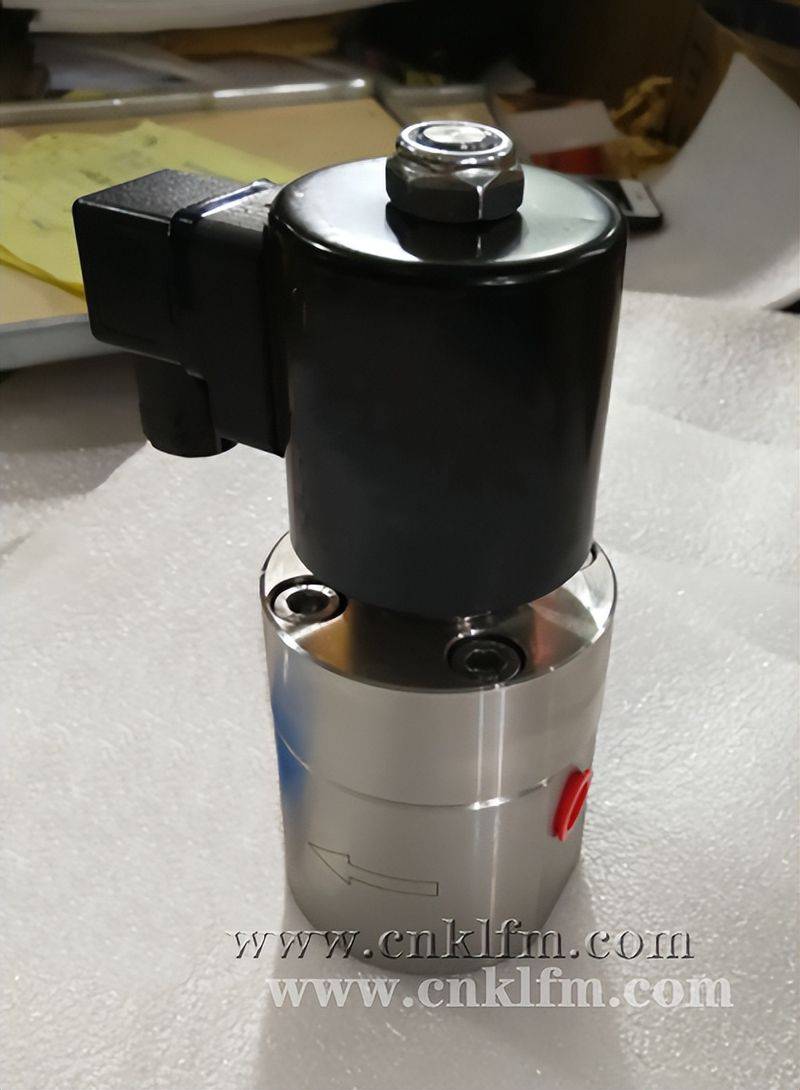
High voltage electromagnetic valve
Structure of the electromagnetic valve
(1) lead electromagnetic valves
Principle: when electrical power goes through, the electromagnetic force opens the lead hole, lowers the upper chamber pressure, forms a lower and lower pressure differential around the closure, fluid pressure drives the closure to move up and the valve to open; when electricity is cut, the spring closes the lead point, the entry pressure enters the upper cavity to form a lower and higher pressure differential around the closure, and the fluid pressure pushes the closure to move down and closes the valve. The principle of frequentity is the opposite。
Characteristics: the upper limit of the fluid pressure range is high and can be installed at will (to be customised) subject to the fluid pressure differential. This is the case of rsp, ps, zcz, etc。
(2) direct electromagnetic valves
Rationale: the electromagnetic valves are closed and open. The constant power outages are closed, resulting in electromagnetic power when the wires go through, enabling the kinetic core to open the valves directly through springs and static cores, and the medium to open the circuit; when the wires are out, the electromagnetic power disappears, the kinetic cores are compounded by springs, the valves are shut down directly and the medium is not functional. The structure is simple and works in a zero-pressure and micro vacuum. It's the opposite. If an electromagnetic valve is less than the zero six flow diameter。
Characteristics: normal working in a vacuum, negative pressure, zero pressure。
(3) step straight electromagnetic valves
Rationale: it is a combination of direct and lead, and when the entrance and the exit are free of pressure, the electromagnetic force lifts the lead valve and the main valve directly upward and opens the valve. When the opening pressure differential between the entrance and the exit is reached, the electromagnetic force opens the lead valve, the pressure of the lower cavity of the main valve rises and the pressure of the upper cavity drops, thus pushing the main valve upwards using the pressure differential; when the power is cut, the lead valves and the main valves use spring power or medium pressure to drive the closure, move downward and close the valve。
Characteristics: work at zero pressure differentials or vacuums, high pressure, but high power requires horizontal installation. This is the case of zqdf, rsps, 2w, etc。
Common pressure units converted for electromagnetic valves
1kgf/cm2 = 1bar = 0. 1 mpa = 14. 2233 psi
1 psi = 51. 7torr = 0. 069bar



