Our colleagues who went out yesterday to work on the project met with a strange person who made the cupboards, and it took so long. The problem with him is that the contact jumps as soon as the device is retrofitted
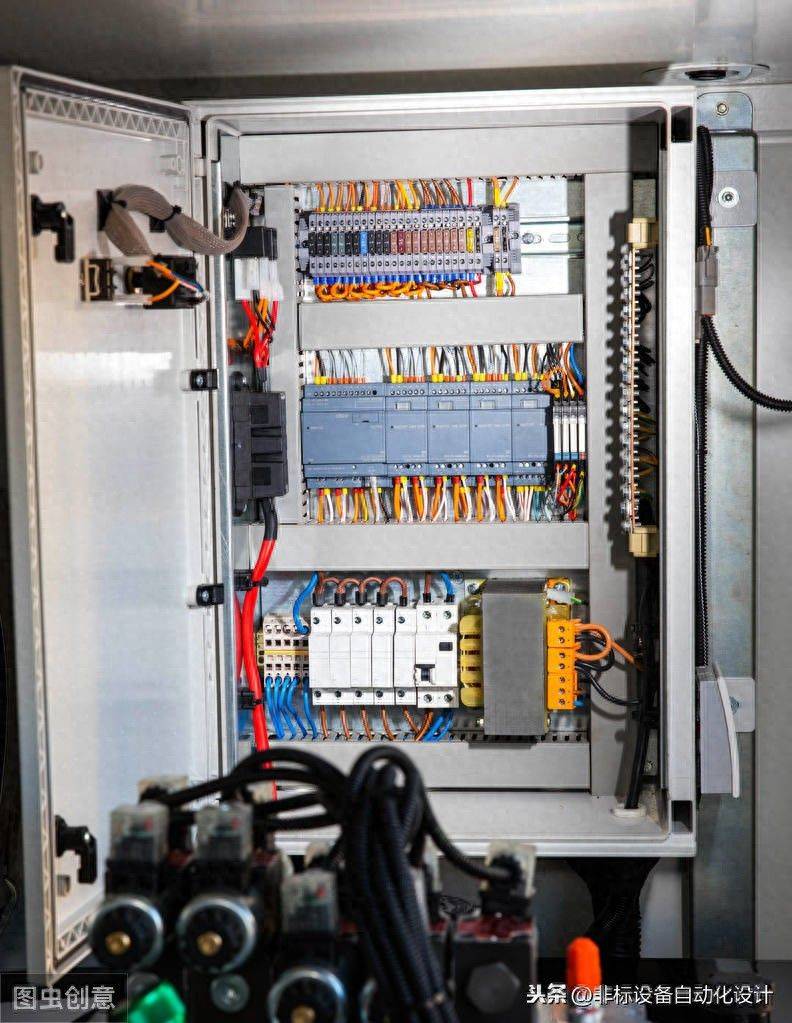
This chart has nothing to do with the cabinet
It must have been short-circuit, no short-circuit, no contact, no problem. So what's the problem? I didn't have a good idea at the time, but i had to change switches without short circuits. In maintenance equipment, substitution is common, and when you can't find a problem, you can try to replace a component。
This time, however, it was regrettable that the same result had been achieved with the replacement of the leak switch, with only a closer look at the line, which had led to the identification of the problem。
As shown in this chart below
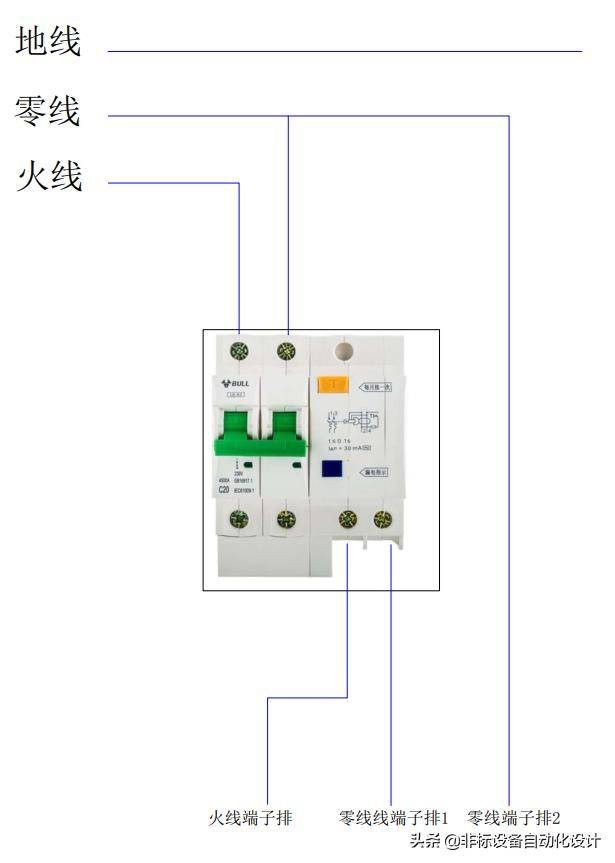
One of the zero lines, which did not pass through the leak switch, went directly to line 2 of the zero line. The zero line that my colleague added was attached to the end line, lined up from the end of the line that passed through the leak switch. There was no zero line. An electrical use must have been the result of the leak。
Here's how the leak switch works
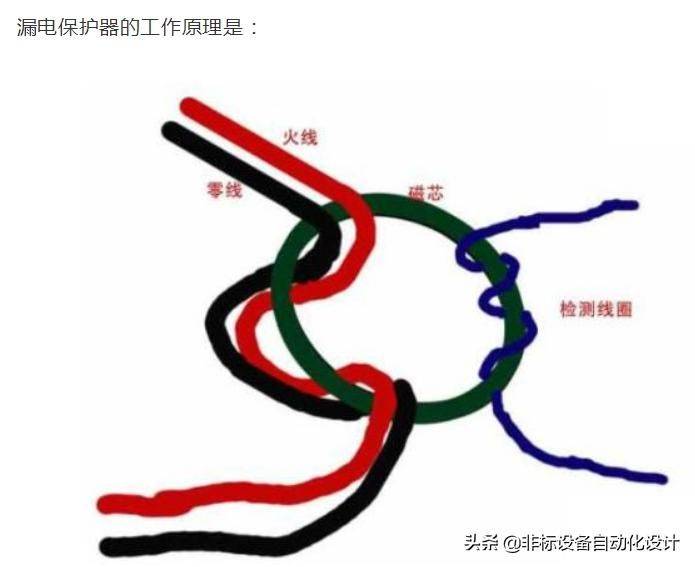
When the circuits passed through the wires and the zero wires were equal, the detection loops did not trigger the buttons, but when the wires passed through the leaking switch and the zero wires were used on the above circuits, the strips were triggered。
You know, it looks like a deliberate pit, and there's just a zero-line line, two rows empty, waiting for you to pick it up. Let's get electricity. It's empty. It's good. It's true that because of the cable slots and the distance between them must not have been as clear as i have painted, my colleague found out for a long time that no one else would have thought。
It's good to know the problem
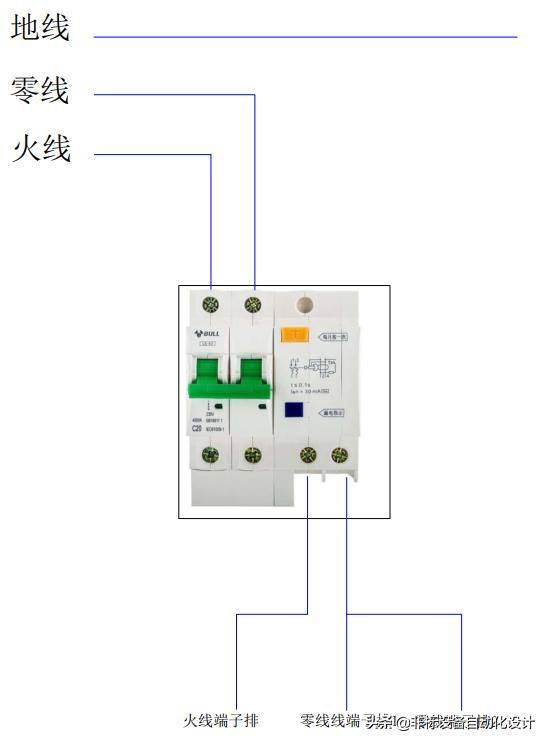
So all the wires go through the leak switch. Have the little guys ever encountered a strange trap