The fragrance is on the side of the river
• report on the development of the fruit industry in key immigrant villages in phoenix county
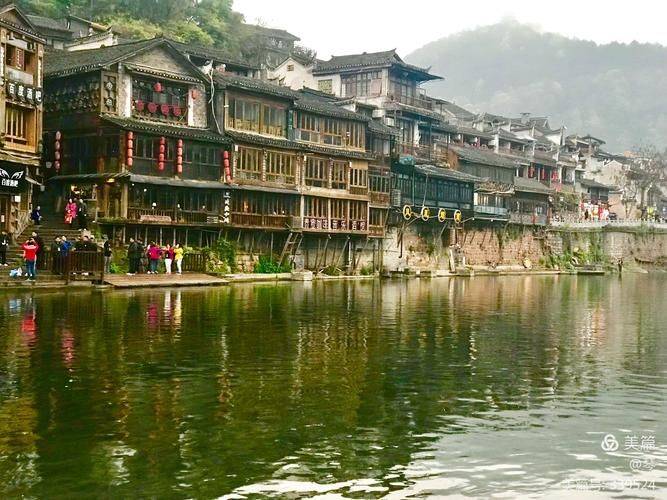
On the golden autumn festival, the mid-range of the yangtze river, 9 km from phoenix, the mid-range gang, the green mountain, the orchard, and the fragrance of the fruit, are everywhere a happy harvest. Early in the morning, journalists moved up along the yangtze river, passing through fields and villages, over mountain rivers, and along the way recorded the changes and joys brought about by the development of the fruit industry by migrants on both sides of the coast。
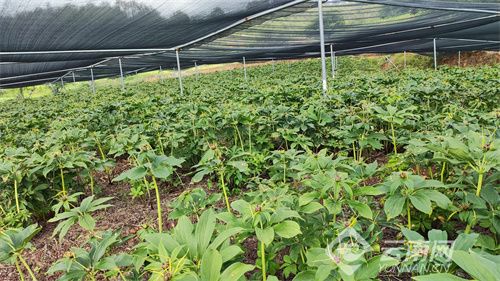
The town of kaupuku is a deeply impoverished village with a total of 4,892 people, of whom 99 are from poor families. As soon as we got to the village, the journalists smelled a light fruit qingrome coming out of the village, and only saw a thick queen's peaches garden like a green carpet, stretching from the foot of the hill to half a slope, a stubble of the dead. Monkeys with branches, aromatic nose. The villagers traveled and laughed and were busy picking fruit。
“2. 8 cents per kilogram, very good price.” scrambling on the branches, the villagers smiled in the face. This year, he has grown eight acres of monkeys, with an acre production of about 2,000 kilograms, all of which have been ordered by outsiders. With the exception of cost, it is conservatively estimated that more than 30,000 will be earned a year. “the monkeys have become the main source of revenue for our village's main industry and the masses.” the village's book, kim, says。
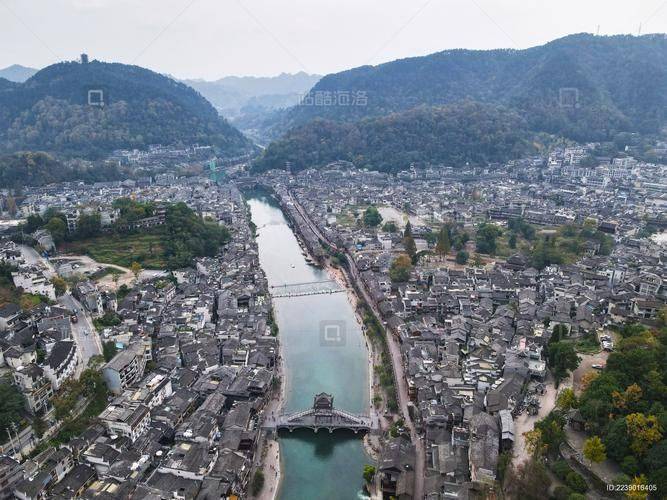
The duck fort cave village, which is located along the river from shenghua village, is not only the district's priority migrant village, but also the first village in the county to develop the monkey industry. In 2017, the village grew more than 1900 acres and produced more than 2. 5 million kilograms per year, with a total production value of over $7. 1 million. This alone helped to increase the village's household income by over 23,000 yuan per year。
More than 40-year-old wu suh-hyang has gradually emerged from poverty and taken the path to wealth through the development of the monkey industry. "what's the point of moving in the first place, lacking a source of income, helping to develop the monkey industry in the county, and we've been trying to plant 10 acres, making more than $30,000 for the first time!" wu suh-hyang's face is indignant. She now grows 28 acres of monkeys, 18 acres of grapes, and 5 acres of prune, earning over $100,000 last year。
They left the village of duckburg and continued to march up the river to the village of takeyama. This is a traditional home, isolated, single-city industry. In order to help the hmong people out of poverty, since 2016, the state and county governments have been developing more than 200 acres of chrysanthemum, which has begun to produce fruit this year after three years of cultivation。
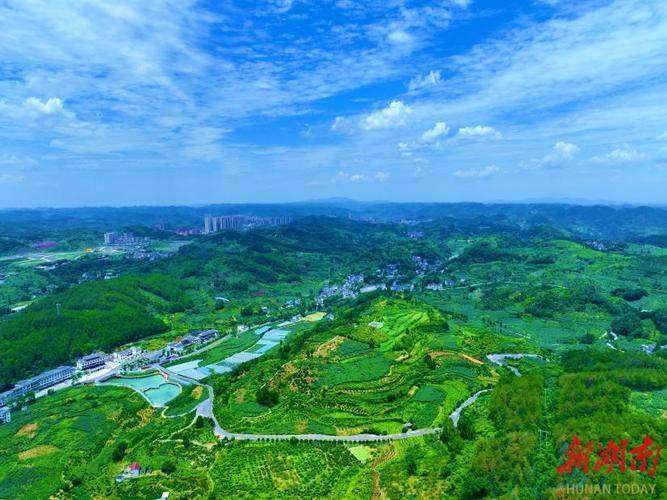
In the village’s third group, journalists saw a hill of drylands and desert mountains being reclaimed and developed, growing monkeys and turning them into industrial gardens, and this year’s new harvest was fruitful, with a beautiful picture of the country’s harvest. “we are going to scale up next year!” it was reported that the price of the monkeys was rising this year, and that the boss had come to buy it, and the village chief had to laugh. He wrote down a bill for journalists, and at the current price, 200 acres of monkeys earned at least $600,000。
The fruit industry is known to be developing 7,300 acres in 18 major immigrant villages across phoenix county, of which 7,100 acres of poach and 200 acres of walnuts are known to produce over 6. 8 million kilograms of fruit in 2017, with a value of over $14. 3 million。