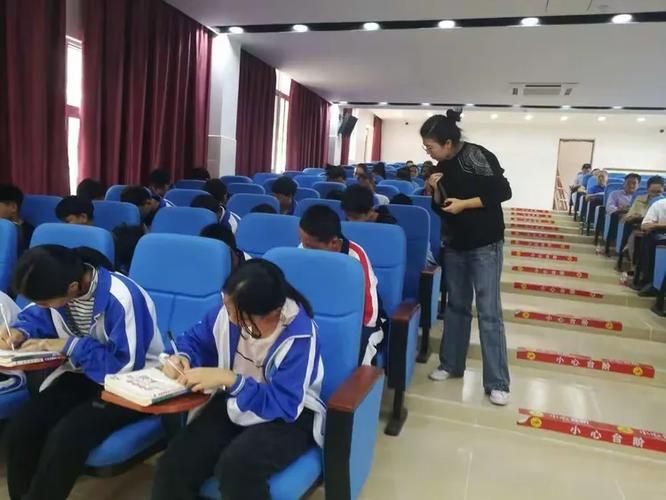
In order to promote the creation of schools for civilisation, to guide children and young people from an early age in the development of a healthy concept of a green and green civilization, to train students in science, innovation, and to promote a strategy for the development of eco-markets in conjunction with the construction of green and green schools, recently the sixth primary school of the city of lingwu held a competition on the classification of garbage。
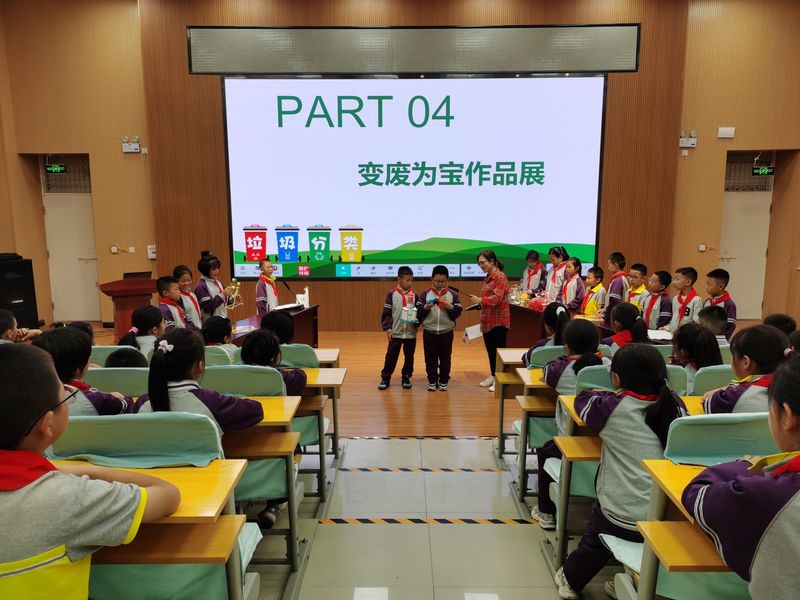
"how many types of garbage?" "what kind of garbage is banana skin?" at the site of the event, there was a high level of response and a high level of activity. The competition covered various aspects of the classification of waste, including the meaning of the classification, the type of waste, the proper disposal of waste, from the colour of the trash can to how the waste is dumped, from the markings of the classification to the current status of waste disposal. Each of the topics went into the specific life cycle, with a comprehensive and comprehensive assessment of the results of the classification of waste in the lives of the students participating in the competition。
"we're going to clean up the garbage, recycle it, and protect our planet." zhou jiajie, the sixth primary school student in ling wu city. During the competition, students also demonstrated their creative and environmentally friendly work using used and used goods, helping “waste” to find a “road home” by collating, pasting, etc。
“as can be seen from the competition, children have a good understanding of the classification of waste, and from our activities we will teach children the classification of waste, protect the environment and achieve moral education.” wang iwa, chief of state and church at the sixth primary school in lingwu city。
In recent years, the sixth primary school of the city of lingwu has adopted the concept of “one school”, “one school specialty”, with the aim of improving the level of civilisation of the school, the quality of the teacher-student civilization and the creation of humanistic schools. It has continued to strengthen school planning, construction and management, firmly promoted school safety education and integrated governance. It has continued to improve school safety and creation mechanisms. It has worked to create a clean, clean and harmonious school environment, further deepen the construction of civil schools and contribute to the healthy and happy development of minors。