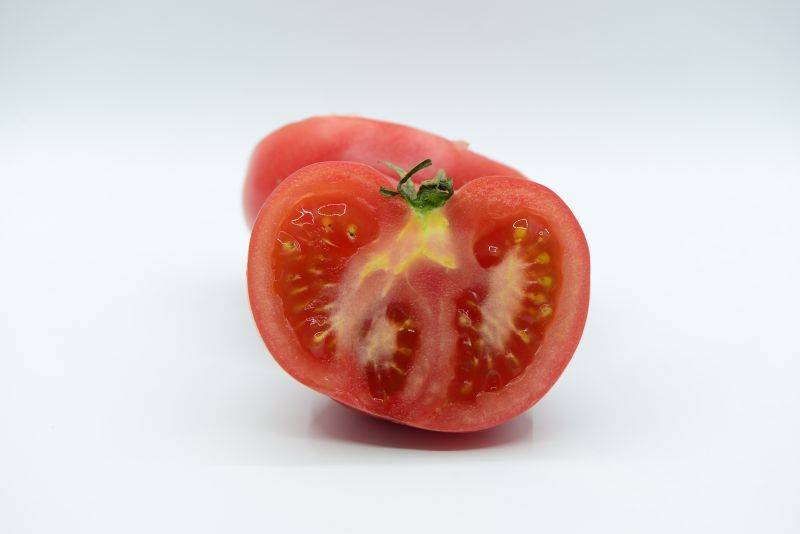
Small plant files
Chinese: tomatoes, tomatoes, tomatoes, hyenas, hyenas, hyenas, etc
This post is part of our special coverage global voices 2011.
Section: solanaceae (solanum l.)
Flower period: may-november
Food: berries
The good fruit and vegetables in the tomato
The eggplant is a treasure that includes not only our usual edible potatoes (solanum tuberosum), tomatoes, peppers (capsicum annuum), tomatoes (solanum melongena) and lycium l.), but also the highly toxic plant (datura l.), industrial tobacco (nicotiana l.), the so-called “girl fruit” (alkekengi officinarum), the fairies (hyoscyamus l.), which make cough and anaesthesia, and a large number of other resource plants rich in bioalkali。

So many of the plants that are useful in this section, and today we are talking about tomatoes that are now world-grown crops and that are produced and produced throughout the year. Tomatoes are a year of grass. The whole body is made of adhesive gland hairs, strong scents, impervious rods, flavoured leaves or plumes, cleavages of cleavages, constant 3 to 7 flowers, bouquets, crown radiation, yellow, berries or near balls, meat and juice, seed yellow。
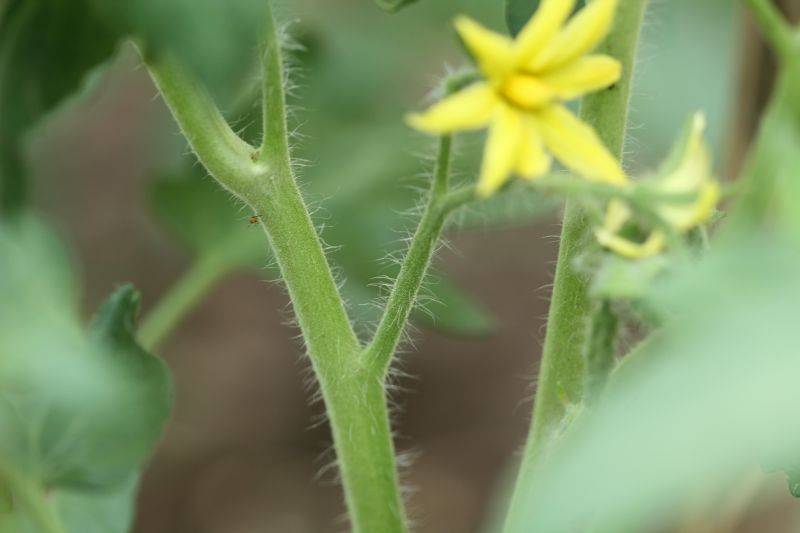

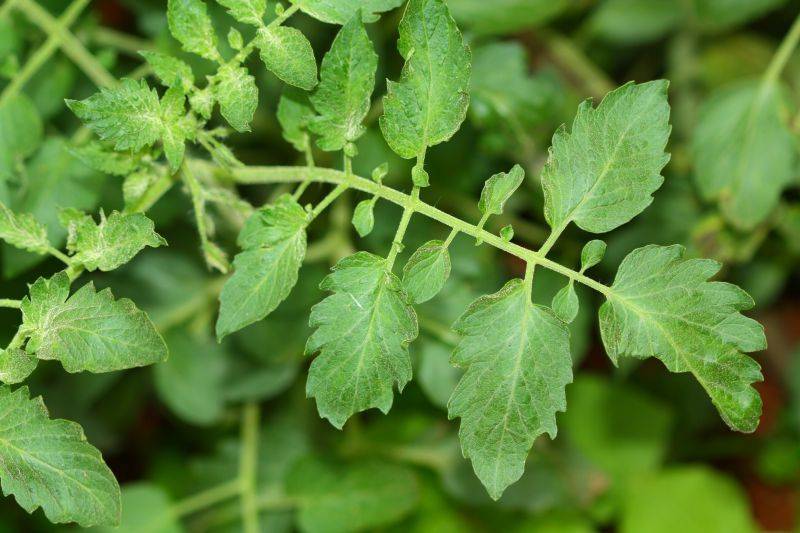
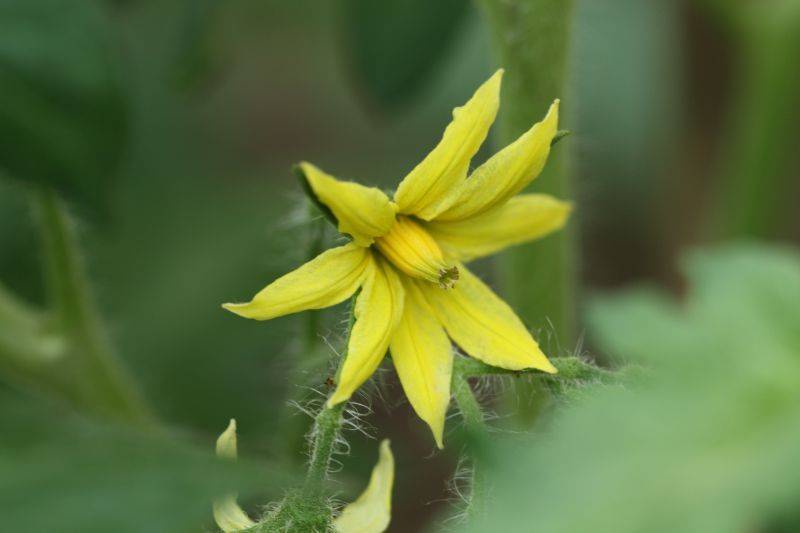
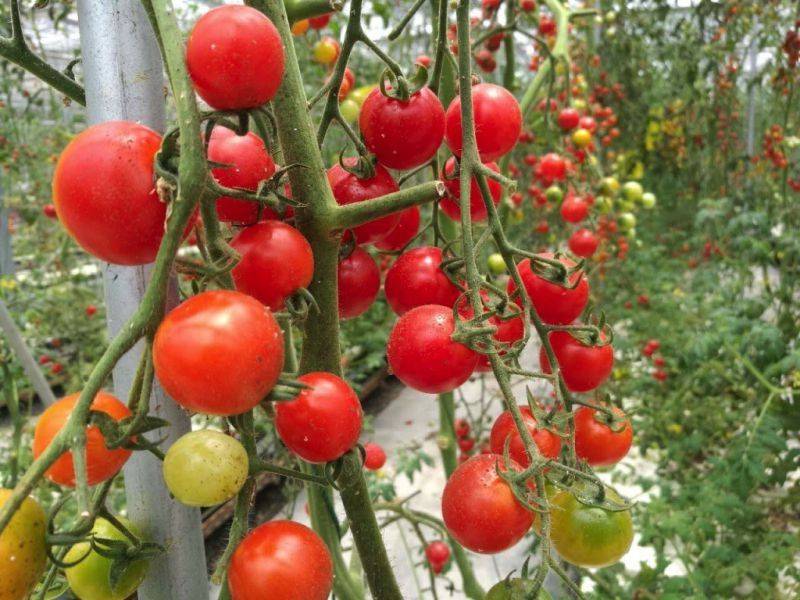
Tomato fruits are soft and juicy, moderately glycol, rich in vitamins, minerals, carbohydrates, organic acids and small amounts of protein, and highly nutritious. The daily consumption of 100-200g fresh tomatoes, which guarantee human vitamins and the main minerals, is a good supplement. Tomato odour is sour, it's mildly cold, it's also good for stomach openings and coughing. In addition, tomato seed proteins in tomato seeds are complete proteins, containing 18 methino acids, and are highly nutritious proteins. Tomatoglobin in tomato skin is a powerful antioxidant in carrot-likes that can effectively enhance immunization and is widely used in health products, etc。

Tomatoes are free from thirst for fruits and then cooked into a variety of chinese and western vegetables。

In addition to these, tomatoes can be made into tomato products such as tomato sauce, tomato powder, tomato salad, tomato juice, fruit and dried grains. Tomatoes, together with tomato products, occupy an important place in the export of our vegetables and their products。
The naming, origin and seeding of tomatoes
As early as 1753, when the swedish botanical scientist carl linnaeus introduced the double name of plants, the tomatoes were placed in “solanum” and described and named “solanum lycopersicum”. British botanist philip miller officially described “lycopersicon” in the following year, but at the time he was less in favour of the dual name of linnai, still describing and representing plants with phrases consisting of multiple words. By 1768, miller finally began to accept and use the dual name of linnai, and he placed the tomatoes in “lycopersicon” (now the tomato) and named “lycopersicon esculentum”. These two names have since been widely used, with some botanists following linnai and others agreeing with miller. To date, whether based on molecular systemology, morphology or distribution evidence, or on the principle of priority in international plant naming legislation, tomatoes are considered to be in the stock of tomatoes, with the legal name “solanum lycopersicum”. However, since the term “lycopersicon esculentum” has been used for several hundred years, the latter has been retained by statute as a reservation in order to preserve the stability of the name. So when it comes to the latin name of the tomato, whichever of these two we use is a name code。
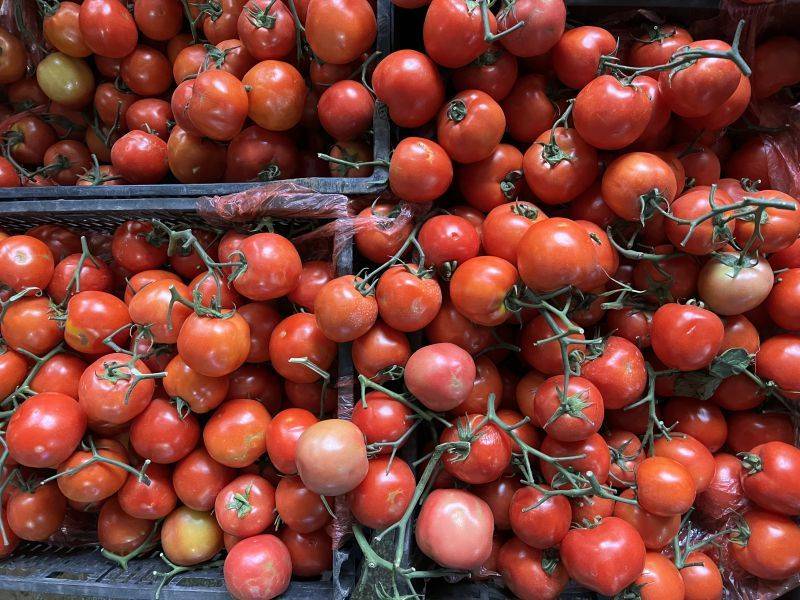
With regard to the origin centres for tomatoes, it is now widely recognized in the academic community as being located in the andes in south america, but according to the study, wild tomatoes in south america were taken to mexico with the migration of the indians, where they were exposed to local climate effects and valuable variations that began to be domesticated by the indians. Mexico is therefore considered the most likely tomato domestication centre, and the tarnished tomatoes then spread back to south america. It was not until 1492 that the new continent was discovered in columbus that tomatoes were widely disseminated throughout the world。
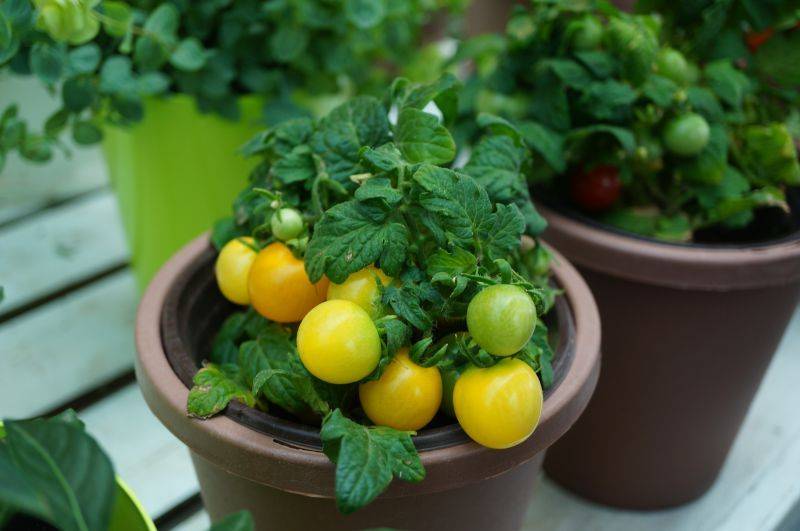
What kind of wild tomatoes are they? Who are their ancestors? Solanum lycopersicum var. Cerasforme, which was once considered the most probable, recent research into tomato genetics has shown that cherry tomatoes are only a hybrid product of wild and planting tomatoes. Tens of thousands of varieties of tomatoes are being cultivated, and it is too complex to study their genetic diversity and trace them, and there are no clear answers。
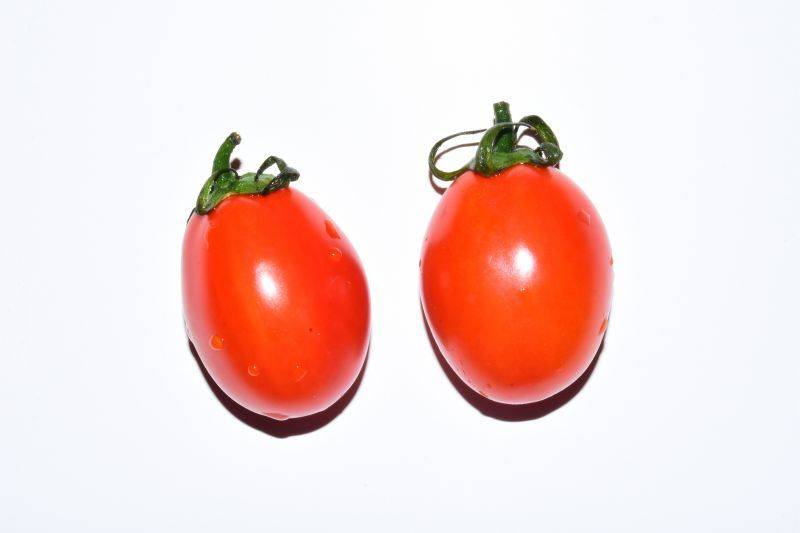
The passage of tomatoes into the country took place in the course of the millennium (1573-1620). Tomatoes have been recorded in ming dynasty's "choose of aromatic spectroscopy" and in the "chouse of aromatics" and "choose of aroma" respectively. When tomatoes were introduced into the country, they were planted only sporadically on the outskirts of the city, until the 1930s, when their edible nature was valued, and it was not until the north-east, north-east and centre-china regions of the country that began to grow them. As the main national vegetable, tomatoes were planted extensively in the 1950s。
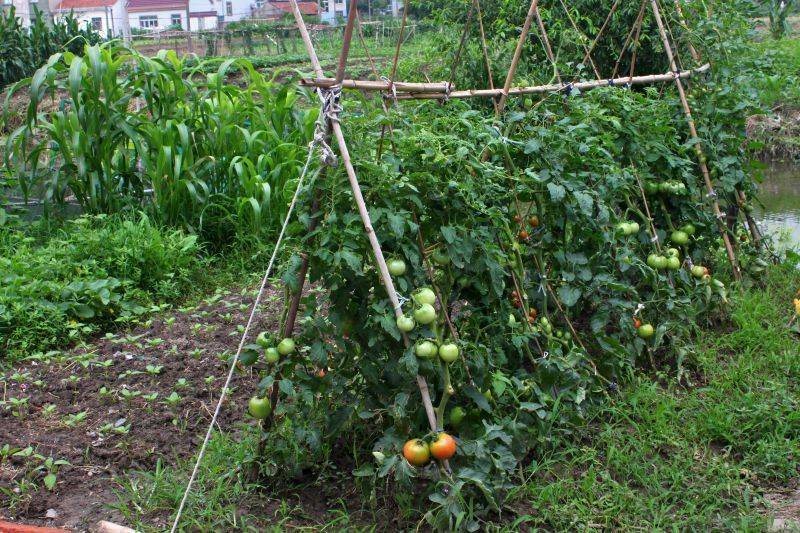
Even in the case of large-scale cultivation, tomato cultivation has gone through several stages:
In the 1950s and 1960s, tomato cultivation was at a stage of low disease, high production and rising area, but china had little or no varieties of its own; it was only in the 1960s that china began to choose or cross-fertilize with a purpose from local varieties and from the best varieties introduced
In the 1960s and early 1970s, as a result of the harmful effects of the tobacco flotilla virus (tmv), tomato production declined year by year, the area began to decrease gradually and china entered the second round of foreign seeding
In the 1970s - the beginning of the twenty-first century, with increasing cultivation techniques, such as protected areas, and a boom in the tomato industry, the area under tomato cultivation grew sharply and in a straight line, increasing to 1. 351 million hectares by 2005. At the beginning of this period, tomato varieties began to be predominantly resistant to a combination of diseases, and then shifted to varieties of high quality in appearance, quality in storage, and quality in flavor

While the area under cultivation of tomatoes in the country has stabilized and become more diverse from 2005 to the present, the tomato industry is facing new problems of competition from foreign industries and inadequate protection of intellectual property rights. China's tomato industry alliance needs to be established and the process of modernizing, scaling up, informing and characterizing tomato production needs to be vigorously pursued。
Legends and stories about tomatoes
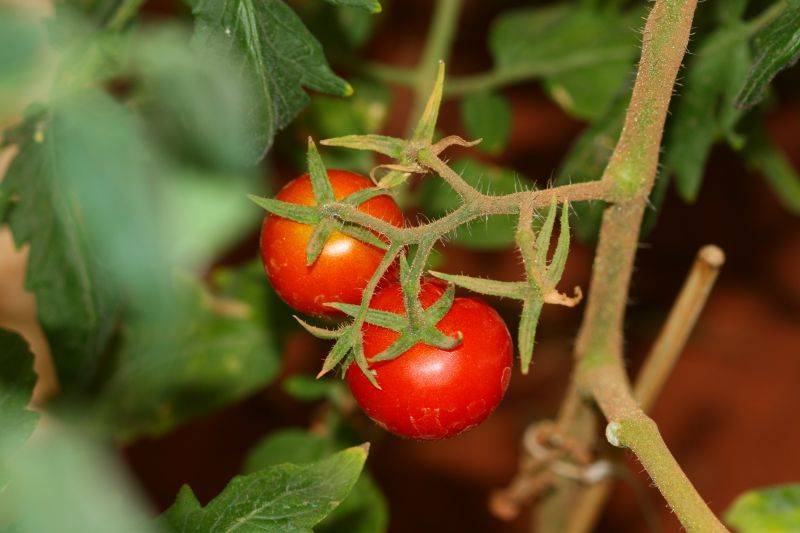
And when it comes to tomatoes, it also has a daunting name -- the wolf peach. Also in peru, south america, because of the strong special smell of wild tomatoes and the small, or about a centimetre of fruit, the indian, who suspected it to be toxic, named it "the horrid peach" and made it difficult to ask questions。
It is said that in 1554 a. D., when the duke of orladari, england, travelled to south america, he saw the colourful red fruit, sprung in the green leaves of the green branches, twitching with the wind and moving, and took several of it back to the kingdom of great britain and gave it to queen elizabeth i as a token of love. After that, tomatoes began to symbolize love and friendship, with the beauty of "love apples"。
There is also a story that seems to open up the mystery of tomatoes in europe from watching to being eaten. In the eighteenth century a. D., when a french painter wrote for tomatoes, he saw their berries colorful and fresh, and he grew up thinking about exploring “love apples” and risking his life to taste their fruit. He was determined to eat a wolf peach and lay still in his bed, waiting for the death to come. However, instead of being poisoned, the artist was safe and sweet. This scandal immediately struck europe, and the wolf peach became a golden apple, and the path to tomato consumption was opened。
There are also rumours that spanish sailors accidentally brought tomatoes from south america to spain some 500 years ago, and that in about the eighteenth century spanish talent discovered the value of their food and slowly spread it to italy, where the late tomatoes became a very popular food, and gradually spread throughout europe。
Did you eat tomatoes today
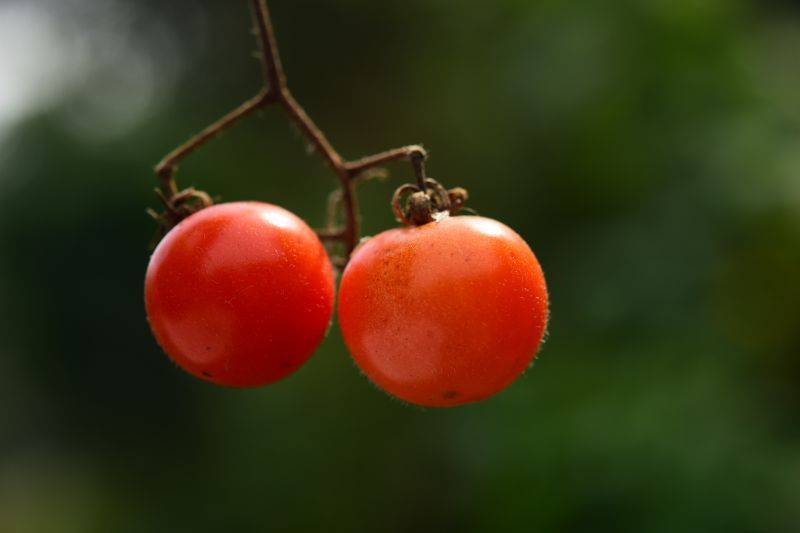
The abundance of vitamins in tomatoes can be compared to other fruits, such as apples (malus pumila), pears (pyrus l.), but today we are in the market as fruit-eating holy fruit (i. E. Cherry tomatoes) which was introduced in the 1990s。
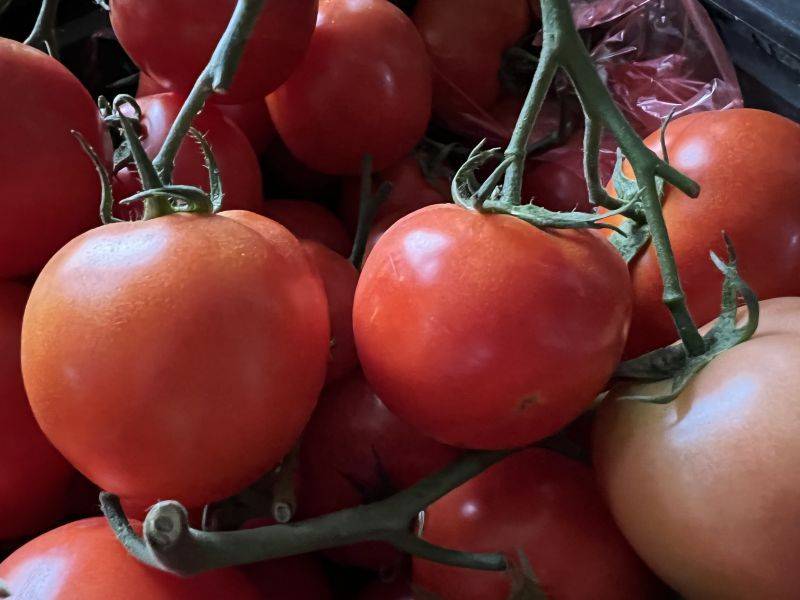
After 80, when children do not eat fruits sold outside, the mother removes the dried tomatoes from the garden, washes the slices and then spreads us some sugar. More sweet tastes of acid, and the physical and mental refreshment of the summer, especially after eating the white tomato juice left at the bottom of the bowl, are the best tastes and memories of childhood。
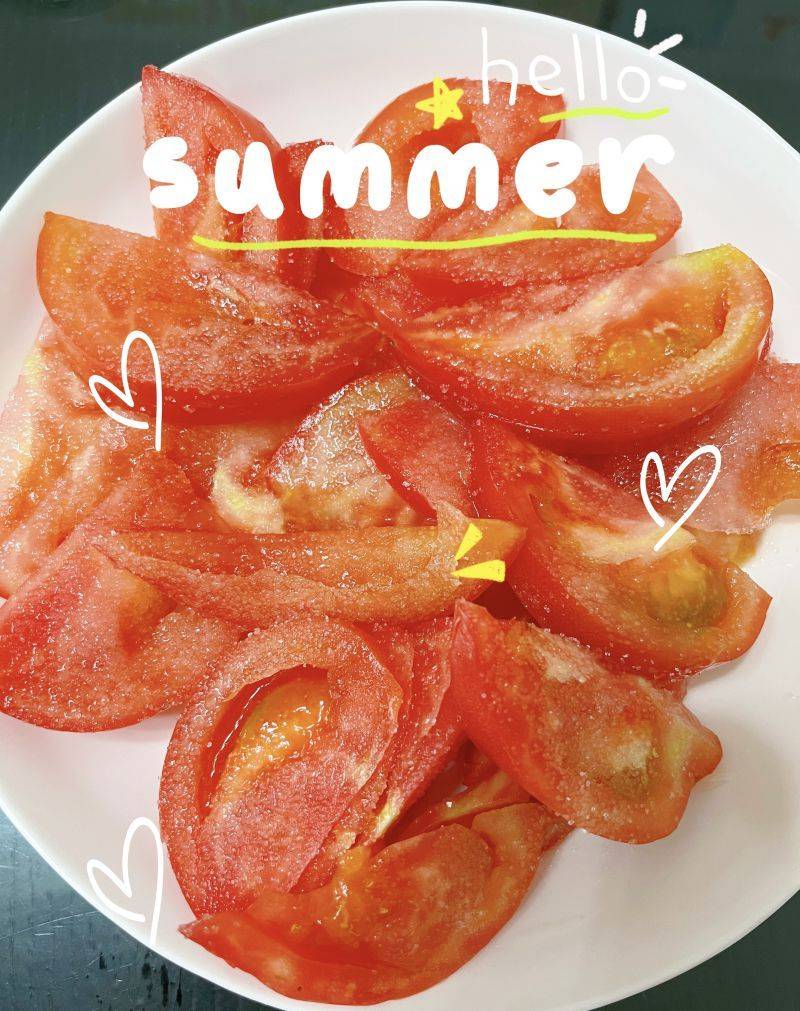
It's early summer. Let's have some hot, appetizing and nutritious tomatoes