What are the policies and laws
Policies and laws are important tools for state governance and they constitute the basic framework for the functioning of society. Policy refers to guidance documents developed by the government or relevant institutions to achieve specific objectives, while legislation is a normative document developed by state bodies and has enforcement force. They are functionally complementary and together guarantee social stability and order. The content and practice of policies and laws will be explored in depth from the definition of policies and laws, operational mechanisms, classifications, roles and impacts。
I. Definition and relationship of policy and law
Policy is a guiding document developed by a government or organization to achieve social objectives within a given period, usually in the form of documents, minutes, etc., with some flexibility and adaptability. Laws are normative instruments of universal binding and enforceable force, the content of which is usually more rigorous, stable and authoritative。
There is a close link between policy and the law, which is often the guiding principle of the law, which is the form of its expression and implementation. The policy is designed to provide direction for the formation of the law, the implementation of which needs to be underpinned by the policy. For example, in one place, a government has introduced a policy of “promoting a green economy” that has resulted in legislation being translated into laws such as “environmental protection laws”。
Ii. Operational mechanisms for policy and law
The operational mechanisms of the policy usually include the following stages: formulation, formulation, dissemination, implementation, evaluation and adaptation. The operational mechanisms of the law are more formal and include legislative, executive, judicial, supervisory and other aspects. The implementation of the policy may be the responsibility of the executive branch, while the implementation of the law is the responsibility of the judiciary and the executive。
Policy implementation often requires a combination of legal safeguards to ensure that policy objectives are achieved. For example, a local government has introduced a policy of “upgrading the income of the population” which, if it is to guarantee its implementation, must regulate income distribution mechanisms by legal means and ensure that it is implemented within the legal framework。
Classification of policies and laws
Policies and laws can be classified according to different criteria, including the following:
1. Classification by scope of application
- administrative policy: formulated by the government or the executive branch and applied to administrative areas, such as tax policy, fiscal policy, etc。
- social policy: targeting social groups, such as education and health policies, with a view to improving social welfare。
- economic policy: designed by the government to regulate the functioning of the economy, such as monetary policy, industrial policy, etc。
2. Classification by policy nature
- guidance policy: it has a guiding role and is not enforceable, as is the case for the conduct of members of the communist party of china。
- mandatory policy: has enforcement powers, such as the penalties for criminal acts in the criminal code of the people's republic of china。
3. Classification by legal effect
- general law: applies to a wide range of social groups, such as the civil code。
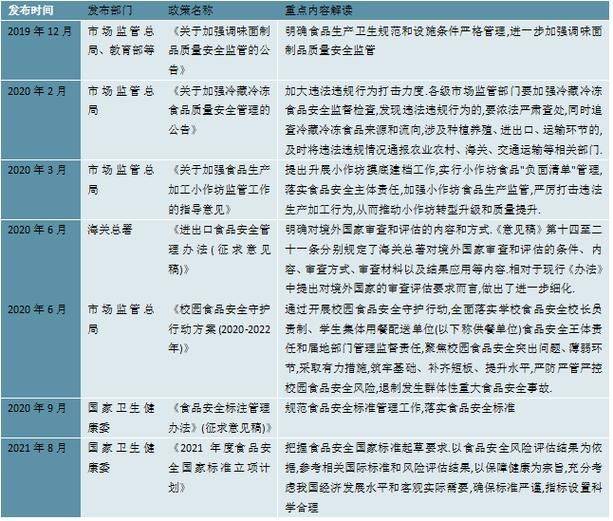
- special laws: for specific areas or groups, such as the data security act。
Iv. The role of policies and law
Policies and laws play an important role in society, mainly in the following areas:
1. Normative acts
The law regulates the behaviour of individuals and organizations and ensures social order through a clear relationship of rights and obligations。
2. Protection of interests
The law provides legal protection for citizens and organizations to ensure that their legitimate rights and interests are not infringed。
3. Promoting development
Policies provide direction and impetus for economic development, while laws guarantee their implementation。
4. Safeguarding equity
The law ensures social equity and justice through fair adjudication mechanisms。
5. Conflict coordination
In social life, policies and laws address conflicts and problems and maintain social stability。
V. Impact of policies and law
The impact of policies and laws is far-reaching, mainly in the following areas:
1. Impact on the social fabric
Together with the law, policies shape the social fabric and affect the basic living conditions of people, such as employment, education and health care。
2. Economic impacts
Policies and laws jointly regulate economic performance and affect market development and resource allocation。
3. Impact on culture
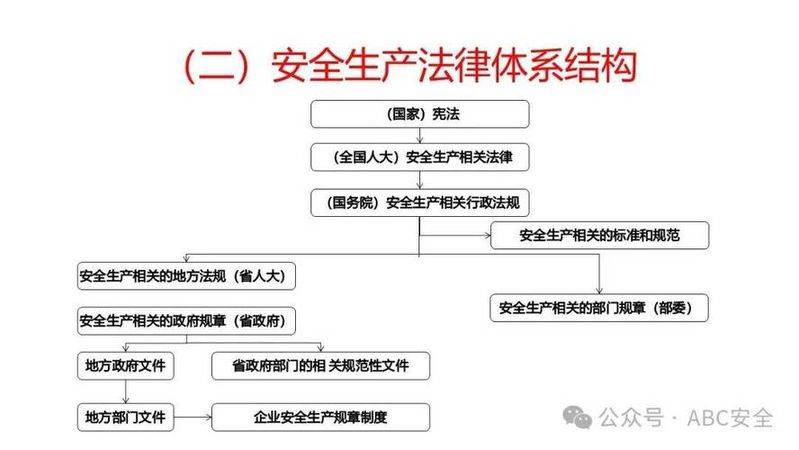
The law influences social values through cultural norms, while policy guides cultural development。
4. Impact on international relations
International policy and international law together preserve the international order and promote global cooperation。
5. Impact on personal life
The law is directly related to the rights and freedoms of the individual, while policies affect the life choices and direction of the individual。
Vi. Policy and legal practices and challenges
Policies and laws face a number of challenges in their operationalization, including:
Policy flexibility and legal stability
Policies have some flexibility, while laws have greater stability, which can create conflicts in their implementation。
2. Enforcement and monitoring mechanisms
The implementation of the policy depends on the executive, while the implementation of the law requires the supervision and security of the judicial system。
3. Harmonization of policies and laws
In some cases, policies and laws may be inconsistent, leading to implementation difficulties that need to be addressed through coordination mechanisms。
Application and interpretation of the law
The application and interpretation of the law required professional expertise, which, if not properly interpreted, could lead to implementation bias。
The long-term nature of policies and the short-term nature of laws
Policies usually have longer cycles, while laws have shorter cycles, which need to be coordinated in their implementation。
Vii. Future trends in policy and law
As society evolves, the operational mechanisms of policies and laws evolve, and future trends include:
1. More policy refinement and intelligence
As technology advances, policy development will rely more on data and analysis to achieve precision。
2. More open and transparent laws
The enactment and implementation of laws will be more transparent, public participation will be increased and the laws will be applied more fairly。
3. Improved synergy between policy and law
Policies and laws will create synergies in more areas and lead to more efficient governance models。
4. Closer international harmonization of laws
As globalization develops, the harmonization of international policies with international law will become even more important and will contribute to the modernization of global governance。
Viii. Practical cases of policy and law
In china, for example, policies and laws can be seen as important in their practical operation:
- environmental protection policies and laws: the state adopts laws such as the law on environmental protection, and formulates environmental protection policies to promote green development and sustainable development。
- education policy and law: the compulsory education act and other laws guarantee equity in education and promote education for all。
- medical policy and laws: laws such as the medical security act regulate medical practices and protect the health rights and interests of citizens。
- digital economic policy and law: legislation such as the data security act regulates data management and guarantees digital economic development。
The implementation of these policies and laws reflects their importance in social governance。
Ix. The importance and value of policies and laws
Policies and laws are an important part of the system of governance of the state, which not only guarantee stability and order in society but also contribute to its progress and development. Policies provide the direction of society and the law guarantees it, which are mutually reinforcing and together form the cornerstone of its functioning。
In modern society, the formulation and implementation of policies and laws are the responsibility not only of the government but also of all citizens. Social harmony and progress can only be achieved through a combination of policy and law。
Policies and laws are important tools for the governance of the state and together constitute the basic framework for the functioning of society. Policies provide direction, laws ensure implementation, they are interdependent and together contribute to social stability and development. Policies and laws will continue to play an important role in future social development, providing solid guarantees for social progress。