Today, 1969, the united states of america, apollo 11, made its first human footprint on the moon, and 20 july has since been designated human moon day. The moon is the only natural satellite of the earth and the closest celestial body to the earth. But what exactly do we know about the moon? The next thing you know about the moon, show the kids
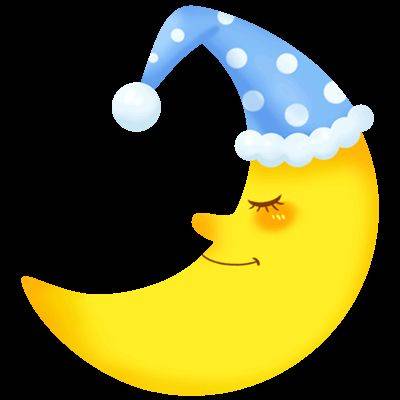
The moon doesn't glow
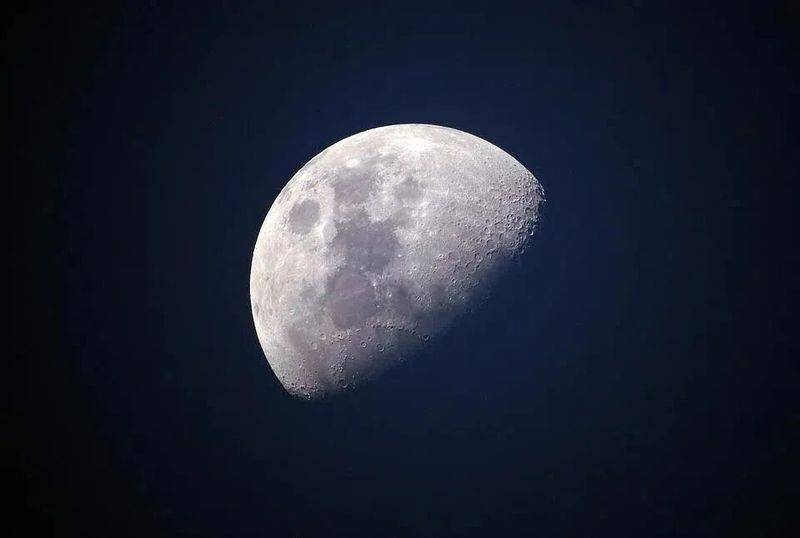
The moon, commonly known as the moon, is the only natural satellite on earth and the fifth largest in the solar system. It does not itself glow, as the surface reflects the sun。
The moon will always face us with one
The one-week rotation of the moon around the earth is the same as its one-week rotation, which means that it always looks at the earth the same way. So what we see on earth is always the same side of the moon, and that side of the earth can only be seen with a spacecraft。
The moon is very hot day and night
Since the surface of the moon is virtually non-atmosphere, the absence of atmospheric temperature regulation results in a cold and hot state of the moon, with a temperature differential of over 300 degrees by day and night。
The moon has 708 hours a day
Compared to earth, the moon is “slow” and it takes 708 hours a week to rotate. In other words, one day on the moon is equivalent to 29. 5 days on earth
The moon is leaving us
Every year, the moon deviates from orbit by 3. 8 cm. According to the data, the distance between the moon and the earth at its inception was only 20,000 kilometres, and now it has been expanded to 380,000 kilometres. Over time, the distance between the two will become increasingly remote。
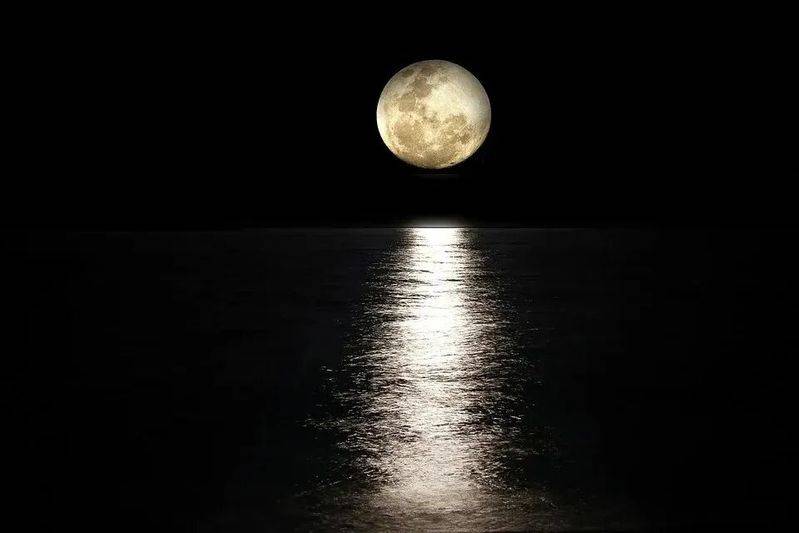
The footprints on the moon can be preserved for centuries
The atmosphere on the surface of the moon is thin, there is little air flow and there is no wind erosion, so if a footprint is left on the moon, it may still be visible hundreds of years later。
There's a moon shock on the moon
Since 1969, successive spacecraft landing on the moon have set up several instruments to detect the moon earthquake at different locations. According to statistics, between 1969 and 1977, over 3,000 monthly earthquakes were captured on the moon each year。
"super moon" is really super bright
How "super moon" is "super moon"? It actually refers to the full moon that appears near the moon orbit. When the "super moon" appeared on earth, it was 14% larger than the usual full moon and 30% more bright
The moon is shaped like lemon
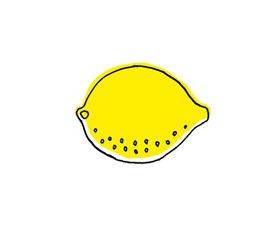
When we were kids, we used to say, "the moon is like a jade. If you think the moon is like a football, you're wrong!" because of the gravity of the earth and the rotation of the moon, the moon has become more like a lemon
Human moon day
While parents take their children to the moon, they are not the only ones to know the moon
Maybe with the kids
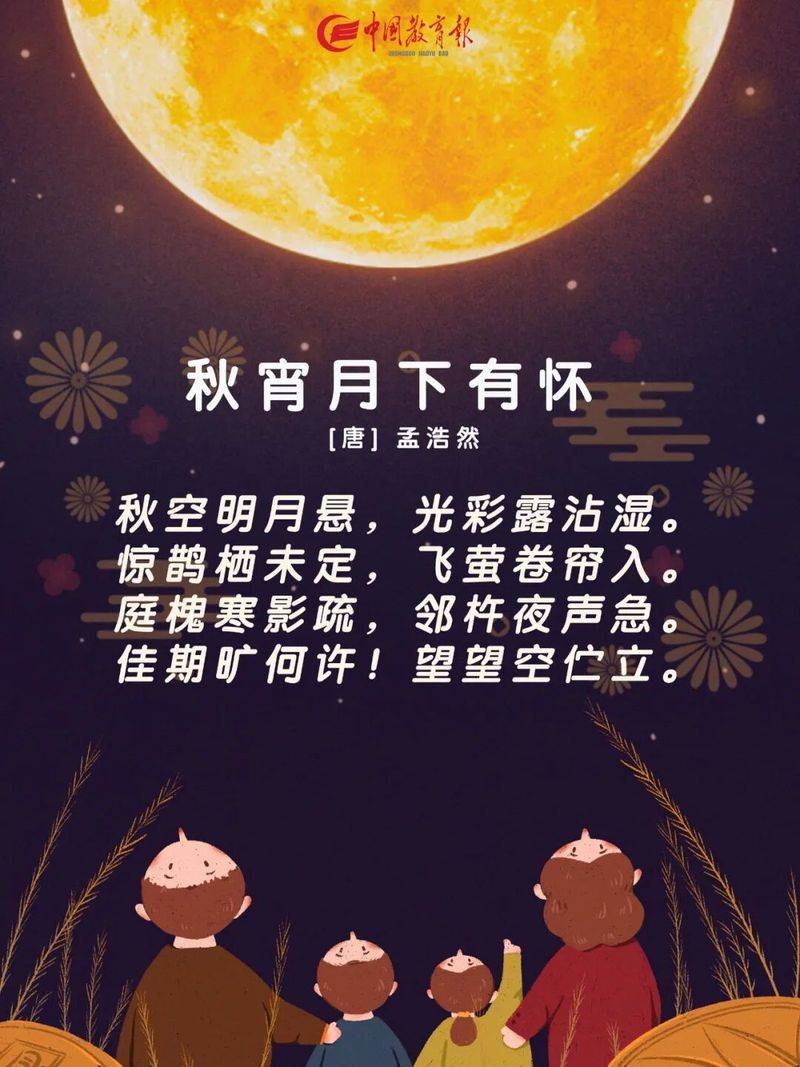
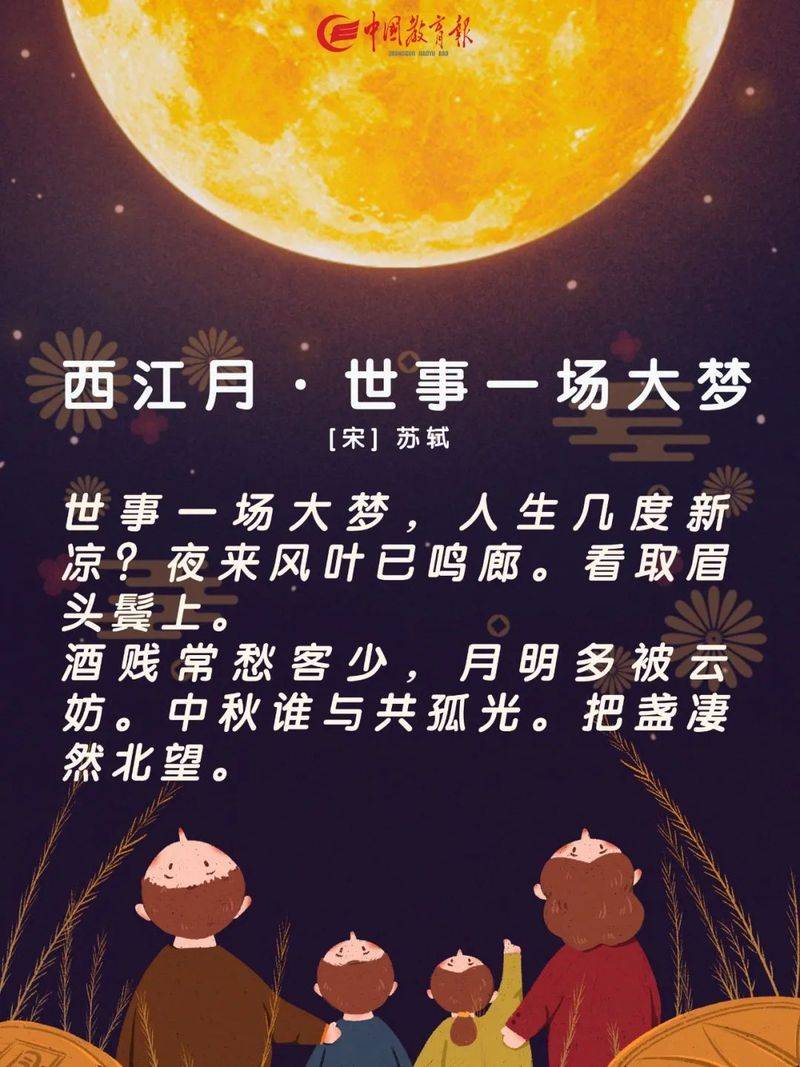
Read this set of ancient poems about the moon。
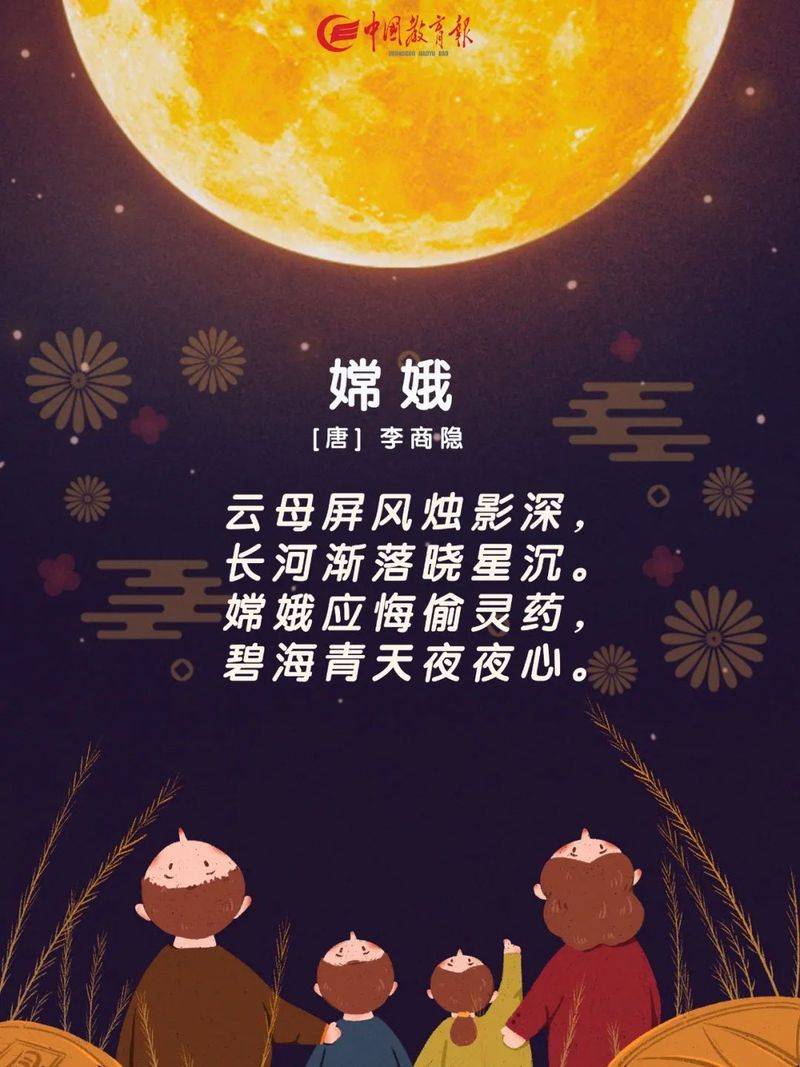
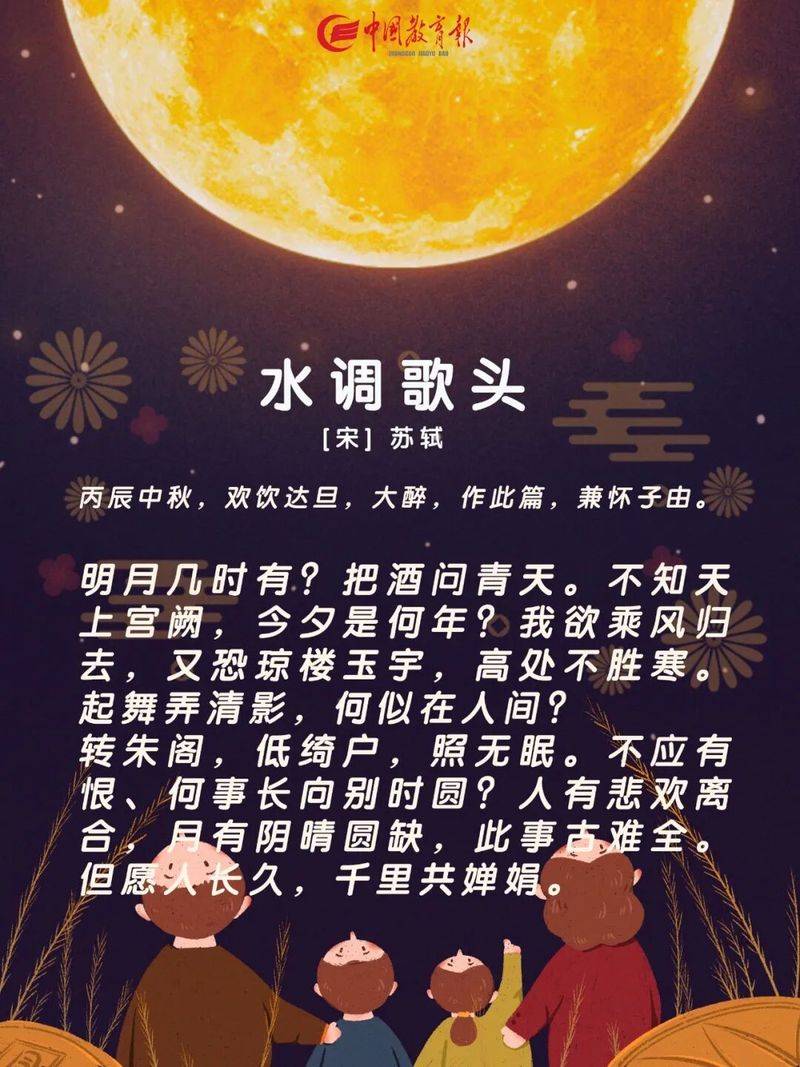
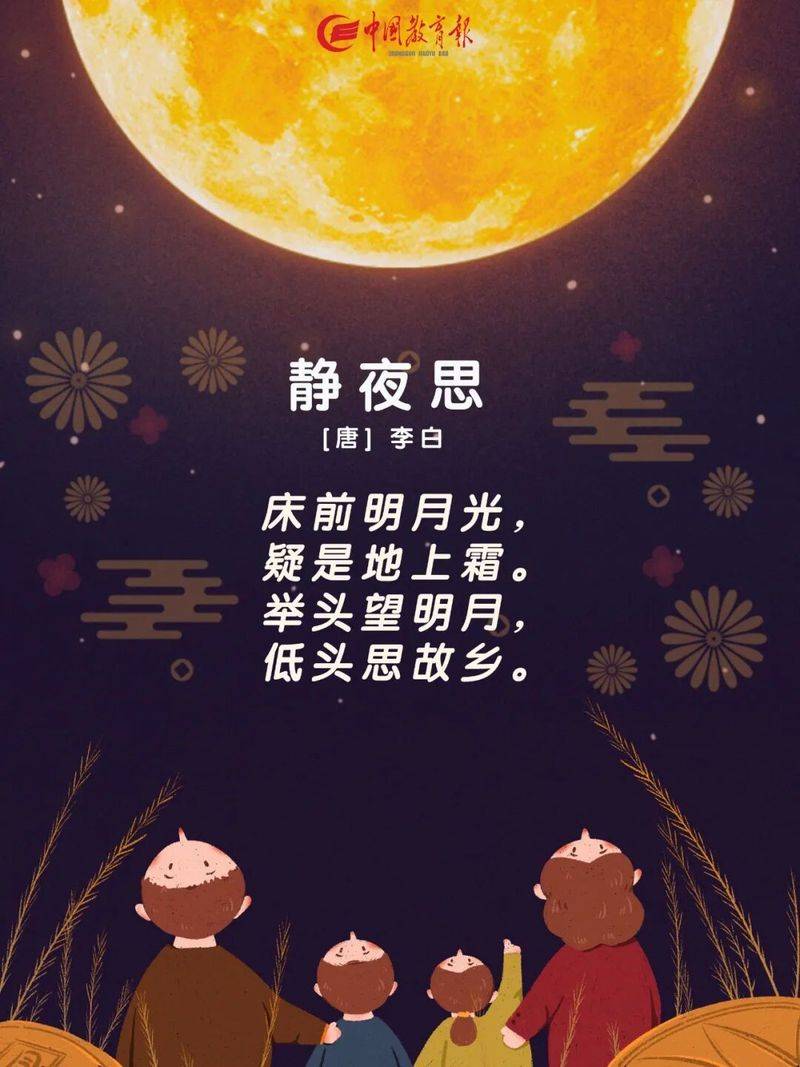
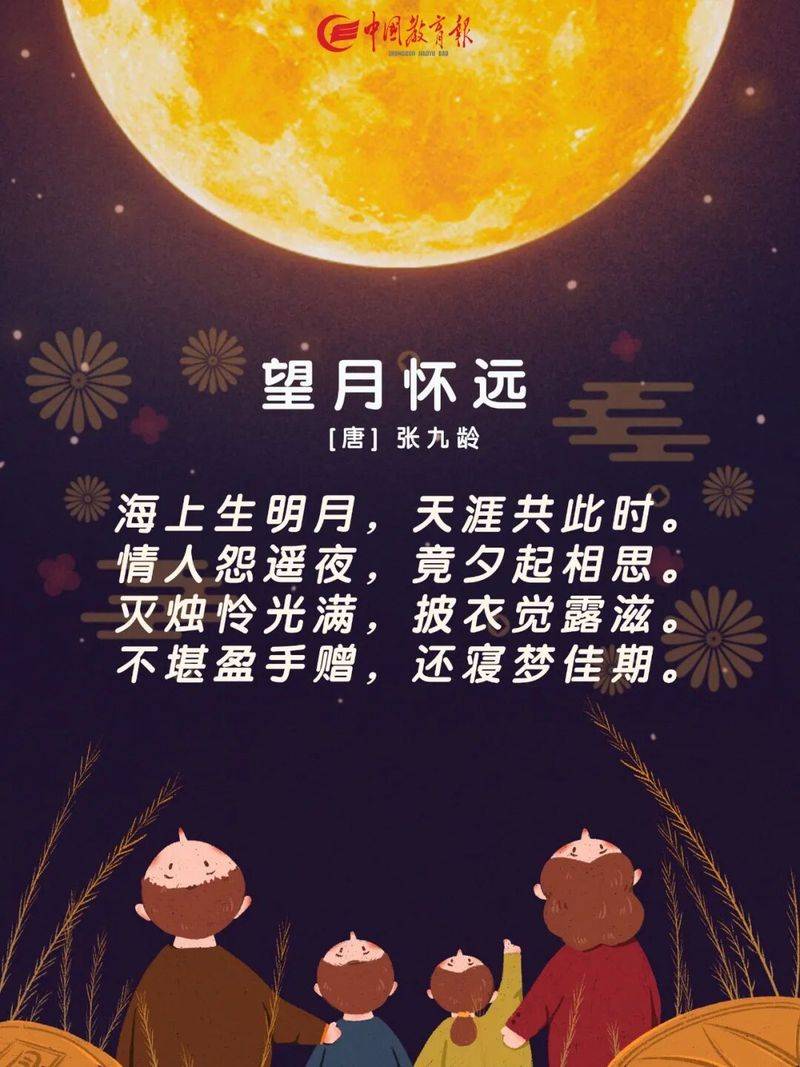
In the context of the “two-declining” science open classes are better suited to the scientific education needs of primary and secondary school students, helping young students to broaden their scientific horizons, stimulate their scientific interest, improve their overall quality and enrich their summer life。
Starting on 20 july, the second season of the open science course will be broadcast live from wednesday to saturday, at 8 p. M., on media platforms such as people's daily, xinhua network, cono video, and lightnet. The national platform for the education of intelligence in primary and secondary schools has launched the first season of the open course in science, which can be viewed in the platform's “post-school service” under “public course in science” under “public course in science”. The second season of the open science course will also be launched on the national smart education platform for primary and secondary schools。
What are the highlights of this season's science open class? Let's get it--
This season's open science course takes full account of the needs of a wide range of teachers, students and parents, closely follows forward scientific advances in content, closely follows social hotspots, and sets up four series of courses on the detection of the universe, life evolution, physical micromechanicals, mathematics and computing, providing more interesting and “sound” scientific content. From the study of the sun to the understanding of the milky way to the understanding of the universe; from the birth of marine fish to the evolution of land reptiles to the early migration of humans; from the basic particles of the microworld to the material material material of the macroworld; from the magic patterns in simple numbers to the emergence of computing techniques, scientists teach not only scientific knowledge, but also scientific methods, scientific thinking and the spirit of science。
In addition to regular courses, the open science course will visit the centre for space applications engineering and technology of the central college of sciences, the first recently registered national botanical gardens and the science and technology exhibition of the central colleges, to guide primary and secondary school students out of the classroom, to feel the real scientific environment, to learn about plant growth and development and to learn about the major scientific and technological innovations of the middle school。
Scripts: transferred from the chinese journal of education, people's education