Did you spend a lot of time learning a lot of things, but when you need them, you can't remember
You've got a lot of stuff to do, but every time you're in a mess
You have these problems, you lack a second brain。
Today it comes from building the second brain, by tiago forte, an expert in knowledge management。
(all text is about 2,500 words, expected to be read for four minutes, please be patient.)
He has studied in the area of knowledge management for more than a decade, during which a knowledge management system called code was proposed。
This code system can help us better manage our knowledge and create our own “second brain”. This book is a detailed guide to this approach。
So i'm going to share with you the benefits of the second brain and how to use the four steps of the code to build the second brain。
What's the problem with first brain
If we study at work
With only the first brain to remember, our heads will be filled with a lot of nervous thoughts, such as today's meeting, clients to meet later, reports to be prepared tomorrow. When we turn on a cell phone or a computer, we see information in all its aspects that we digest and absorb, such as micro-intelligence, applications related to various work studies, video essence, etc。
This information may be very valuable, but our first brain cannot continue to be bombarded with this amount of information。
This makes us anxious, unable to concentrate。
The point is that the first brain is not used to store and manage information, but to “think” and “create”. We have to put the action of storing and managing information to the second brain。

The importance of the second brain
To ease the pressure on the first brain to process information, we need to use “electronic tools” to help us store and manage information. The central tool is "electronic notes," like microsoft's onenote, or apple's notes, and common notion and evernote. These notebooks can be used to interact with information and to facilitate access to, processing, storing and searching for information。
The clear difference between the second brain and the human brain is that the second brain has all the benefits of having software tools: a clear, manageable, sustainable, shared knowledge management system that is reliable and can store a great deal of information to ensure that you can find it in time when you want to use it in the future。
When we know how to build our second brain with software, we've got an additional assistant who's reliable, ready to stand by and has unlimited memory space。
Steps to build a second brain
The book brings together the method of creating the second brain in four steps, with a short english version being code, representing: access, organize, distill and express. The four words combined are code, which is simple and good to remember. I will then elaborate on these four steps。
Step 1: access
The first step is primarily to obtain and collect information. In this step, we need to find, filter and sort out valuable information and store it in our electronic notebook software。
So, which of the information we see every day is what we want
The author lists four criteria for the information:
First of all, is it "inspiring" for me? This information will give us new perspectives, inspire us and stimulate our thinking。
Second, will it be “useful” in the future? You're a software engineer, for example, and you're gonna want to gather a lot of information about software development and science news, but artists' gossip may not be something you'll ever get。
Third, is it “relevant” to ourselves? For example, a note of experience in talking to a previous generation, information about family health and life, can be recorded。
Fourth, are we “unexpected”? It means not to store what you “know” but what you “do not know”, but what you want to understand。
Step 2: organization
Organization is the second step of the second brain, talking about how we use the information we get to be “organization” and “classification”. In this step, we need some sort of classification principles that help us integrate information into the second brain。
The author distinguishes four categories of organizational information, namely: project (project), area (area), resource (resource), archive (archive), and web-based abbreviation para。

Specific examples of use:
Every time we get a message or write a note, we can store it in that order。
First, which “project” is best served by this note
If this note is not useful for every project, then which “area” is most useful
If it is not useful in all fields, what kind of “resource” is it? If it does not belong to any resources, it will be placed in the archives。
In particular, the author suggests that “information is organized on the basis of operability rather than the type of information itself and that the project is the main unit in the electronic notes archive”。
Step 3: extraction
The extraction is the third step of the second brain, which is about how to organize the information we gather, further simplify and enrich it, making it more valuable and understandable. The author refers to this process of extracting information as a “progressive summary” and refers to a step-by-step process。
For example, we read a 1000-word public article today saying, "don't drink coffee in the morning together."。
We started with a first summary, and we saw a scientific experiment that was quoted in the article, and we copied the results of the 300-word experiment and put it in electronic notes。
By the next day, when we were reviewing the notes, we re-read them, and we do a second summary, and we mark them in bold with a detailed description of the effect of caffeine on stress hormones。
If we want this note to be useful in the future, we should continue to streamline it and make a third summary. At this point, we transposed the scientific results of bold to a “human word” that we can read and that “get up and drink coffee at once will reduce pressure”. This sentence is the result of enrichment after a “progressive summary”。
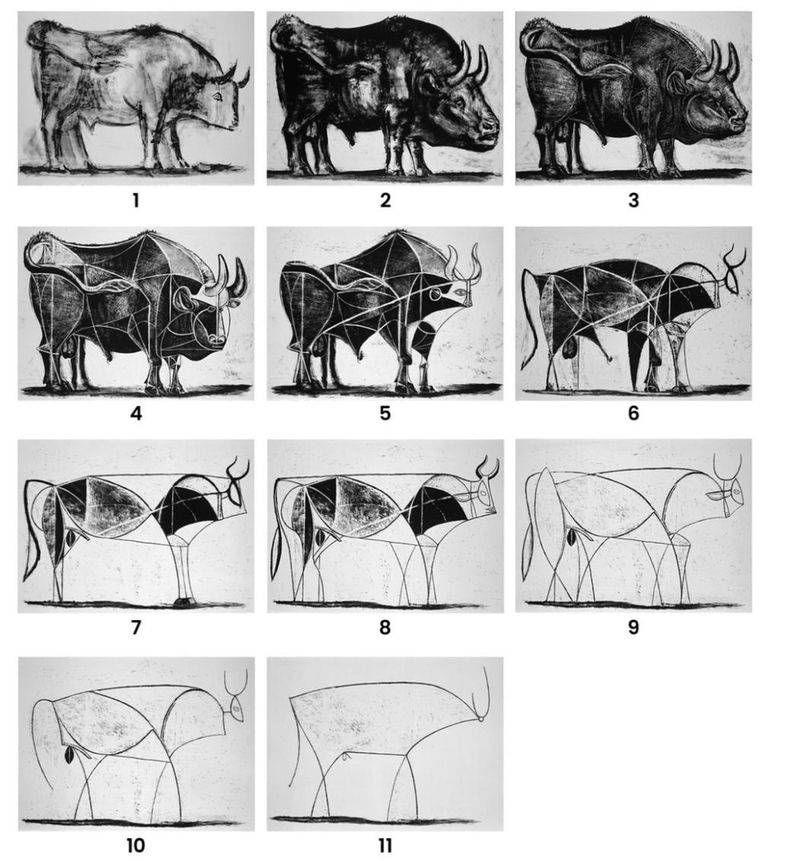
In this part, the author suggests, “please imagine your future as a very demanding, extremely busy and impatient customer who will not have time to explore all the details and find the final remains.” it would be better to sell your notes to the future yourself as soon as you see them。
Step 4: expression
It's the last step of the second brain. It's how we express knowledge。
First of all, the memory is extracted from the second brain. It's like when i want to share "reading skills" with others, i can search for "reading" in my electronic notes。
Then we can "link" these notes. This is the stage at which the “human voice” point of knowledge, which was previously extracted, “takes the whole body” and brings them together, and we turn them into sequenced, lined, top-down information using the word。
Finally, it is to begin to “create” results and express them. I can link these notes, stories, studies and graphs to each other and write an article in a smooth word. The advantage of having a second brain is that we can use all the material we've collected to connect them and create a new output。
According to the author: “the first thing that directly determines our professional success and quality of life is whether we can effectively manage information.”
Those who know how to use code four steps to manage information have a higher chance of professional and quality-of-life success。