What's a microphone
What's a microphone? One, what's a microphone and how it works. The microphone (microphone) is a device for converting sound signals to telecommunications, the working method of which is based on acoustic electrical conversion technology and consists mainly of the following types:
• 1. Animated membrane motion using the sound vibration of the electromagnetic induction principle. When the sound causes the membrane vibration, the coil attached to the membrane flows in the magnetic field. The mobile microphones are durable, affordable and highly resistant to acoustic pressure。
• 2. Capable microphones: two thin metal plates form a variable capacitor, one of which is vibrated by the sound, changing the power capacity, which creates a current signal. This microphone is very good at capturing the rich and fine sound details。

• 3. Polar-based microphones: using polar-based thin membranes as the pole of the capacitor, like a small piece of plastic that produces electricity and changes its shape, thereby generating currents. Commonly available in day-to-day electronics, such as mobile phones, have the advantages of simple structure, small size and low cost。
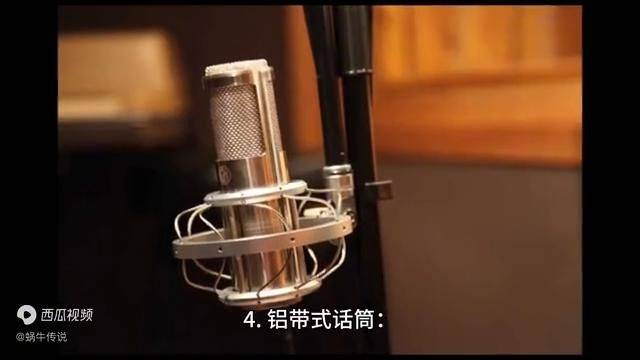
• 4. Aluminium-banded microphones: electric currents are generated by vibrations in magnetic fields by metal aluminium bands, which are delicately fine and often used for high-quality human sound and classical music recording。
• 5. Voltage microphones: using the voltage effects of crystals or ceramic materials, voltage changes occur when subject to sound pressure, mainly in areas such as teleconferencing systems。
There are three key factors influencing the sound of the microphone: the frequency response is the size of the sound it can hear; the sensitivity to how sensitive it is to the sound; and the pointivity is the direction from which it can better hear it。
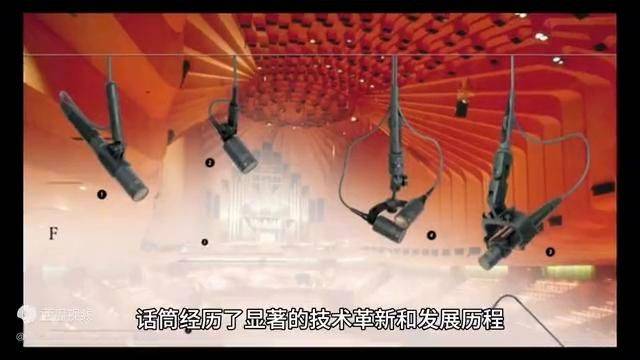
Ii. Overview of historical developments and types: from the earliest carbon phone microphones to modern specialized recording studio equipment, the microphones have undergone significant technological innovation and development. Depending on the rationale and design characteristics, the microphones are divided into:
• round microphones: structurally robust and suitable for live performances, rock bands, etc。
• electric microphones: of excellent sound quality, which apply to fine sound-picking settings such as studios, human singing, instrument recording, etc。
Aluminium belt microphones: the sound is natural, especially in the light of human sound and string instruments。
• voltage microphones: structurally compact, often used for teleconferencing systems and portable electronic equipment。
Special-purpose microphones, such as gun-style microphones (interviewing outdoors), wireless microphones (stage performance television programmes), collar microphones (crowders produce videoconferences), head-on microphones (live anchors), conference system microphones (business conference speeches), etc., are unique and the application scene is clear。
Iii. Product cases: main brands such as schul, sam hayeser, akg, iron triangle, rod, all have products of different price and performance levels. For example, the entry-level schul sm58 round-shell, the advanced akg p220 and the high-end newman tlm103, each product has its own characteristics and technical advantages。

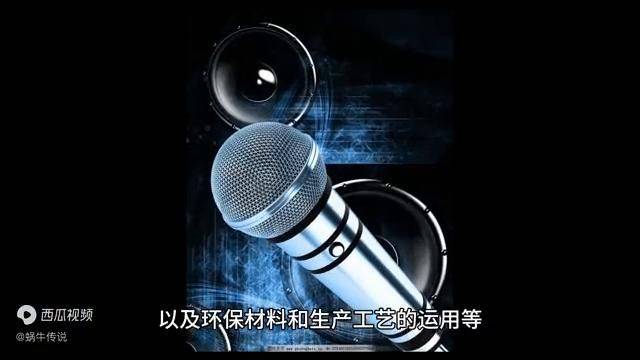
Iv. State of the industry, mainstream products and development directions. The current telemarket is increasingly competitive, with technological trends including the application of digital signal processing technologies to upgrade sound and function; advances in wireless transmission technologies meet the unfettered demand for use and adapt to the emergence of new products from telework and live live online. Future directions may involve high-quality sound capture techniques, intelligent audio processing functions, virtual reality/enhanced new microphone design in real-life settings, and the use of environmentally friendly materials and production processes。
• v. Selection guidelines (no 100 per cent of provinces). Watch these points when choosing the microphone:
→1, where to use: studios, live performances, podcasts or live webcasts, different if needed。
→2, sound capture distance and noise control: long-range sound-picking requires high sensitivity and directional cylinders; noisy environments need to be effective in reducing noise。
→3, connect: the choice between cable or wireless depends on your actual needs。
→4, compatibility and expanse: ensure that the microphone is compatible with your existing equipment and consider the need for spare parts such as anti-shock frames, wind masks, extension lines, etc。
→5, portability and durability: the size, weight and durability of microphones are important if used frequently。

→6, maintenance costs: understand brand after-sale services and see what the long-use canal maintenance costs are。
And you have to be clear whether you like a particular type of microphone (e. G., electric wheat or moving barley), whether there is a special application scenario that requires a special microphone, and the level of interest you have in brand influence, quality of after-sales services and microphone fittings, which are important factors to take into account in the selection of microphones。