


Aerobic sensors are usually installed in one of the three-dollar catalytic sensors, also known as pre-aerobic sensors and post-aerobic sensors. How are their roles different
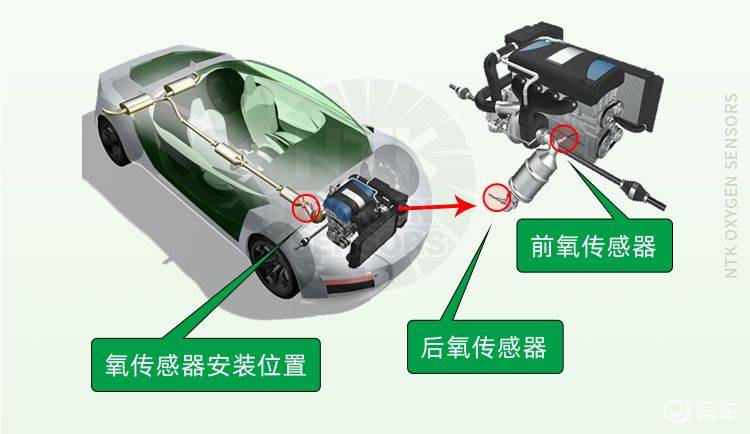
Aerobic sensors
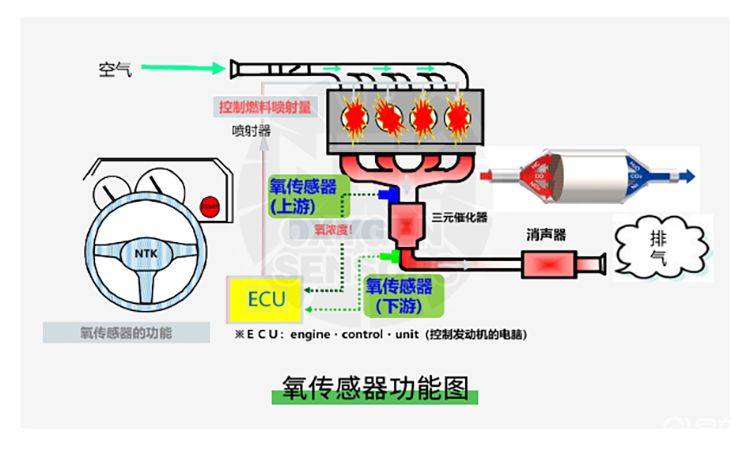
The function of an oxygen sensor is to detect information on oxygen concentrations in exhaust gas emissions from cars and to convert oxygen concentrations into voltage signals to the motor, to control fuel jet volumes and to keep the air combustion ratio close to theoretical values, thus ensuring maximum transformation efficiency for three pollutants in exhaust gases, namely hydrocarbons (hc), carbon monoxide (co) and nitrogen oxides (nox), and maximum transformation and purification of discharged pollutants。
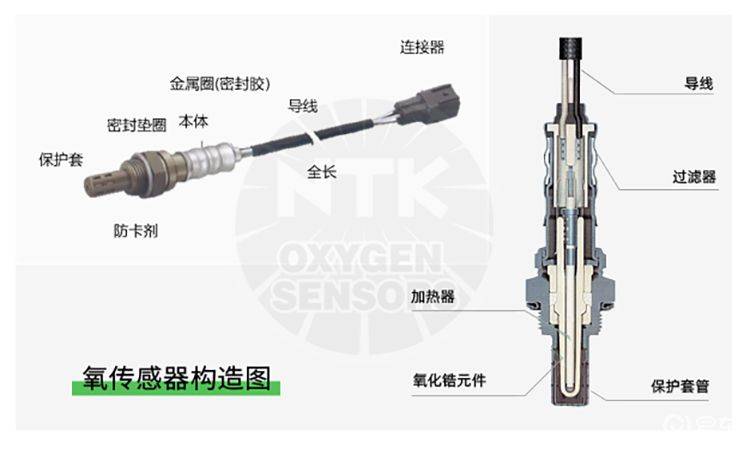
Structure of the oxygen sensor
Aerobic sensors are typically composed of connectors, conductors, filters, heating elements, zirconium oxide elements, and protective tubes, among which the oxen oxide element is the core element of an oxygen sensor。
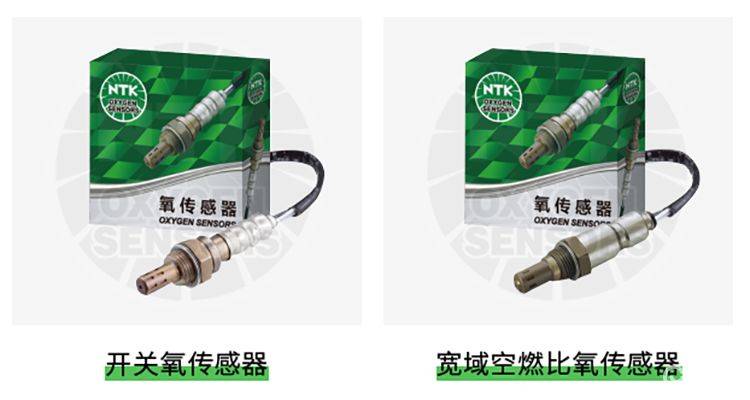
Type of oxygen sensor
Aerobic sensors are typically divided into a switch oxygen sensor and a wide area air-fired aserobic sensors。
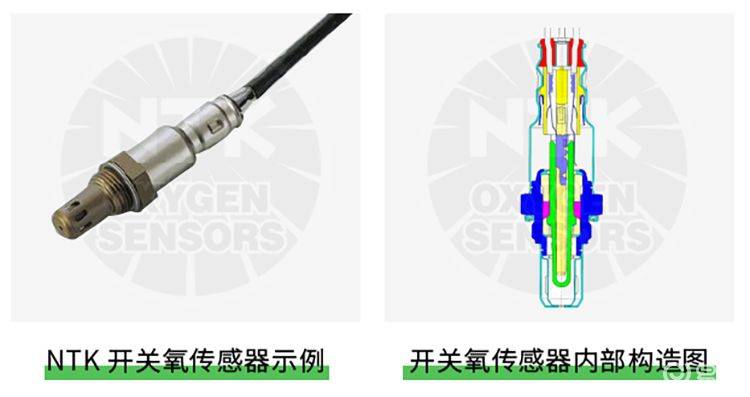
Switch oxygen sensors
The switch oxygen sensor, also known as the oxygen oxygen sensor, is designed to control the combustion irradiation ratio to the theoretical value by measuring the concentration of oxygen in the car tail gas and retrieving it to the eu, ensuring that emissions can be effectively cleansed through a triple catalyst, but only by detecting the concentration of oxygen in the tail gas, with no trace of oxygen. With the exception of some day-to-day traffic, there are generally four guide lines。
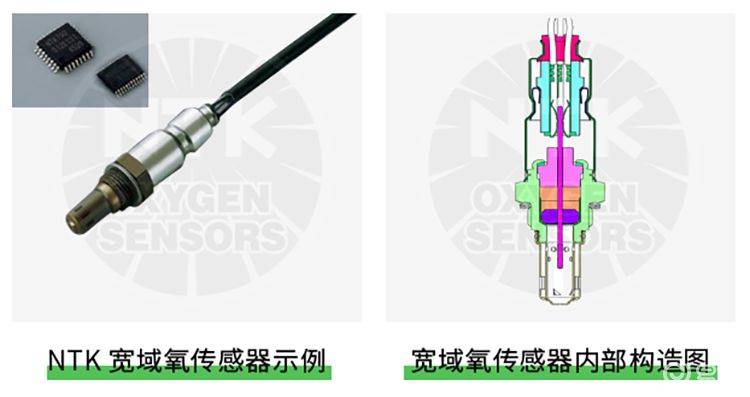
Wide area oxygen sensor
As vehicle emission regulations become more stringent, wide-area oxygen sensors are equipped with chips associated with the eu, making their control more accurate and meeting high emission standards. Wide-area oxygen sensors are able to accurately detect oxygen content values in tail gas and feed back to the eu to accurately control the nozzle jet volume and to stabilize the burn-out ratio near theoretical values. With the exception of some day-to-day traffic, there are generally five guide lines。
So, when your car is too oily, maybe your oxygen sensor is in trouble
Ngk spark plugs provide a mix of spark plugs for many cars and motorcycles around the world. The ngk spark plug was also chosen for many of the fleets involved in specialized car events such as the f1 equation championship, the wrc world pull championship and the wpp motorcycle race. With the exception of spark plug products, the ngk ignition ring and the ntk oxygen sensor, with the technical strength and quality of the ngk spark plug, work to create a more comfortable driving experience for the owner。



